Traditional Pakistani Handicrafts
Walk through any bazaar in Pakistan and you’ll see colour everywhere. People in our cities and villages make beautiful things by hand. We call them handicrafts.
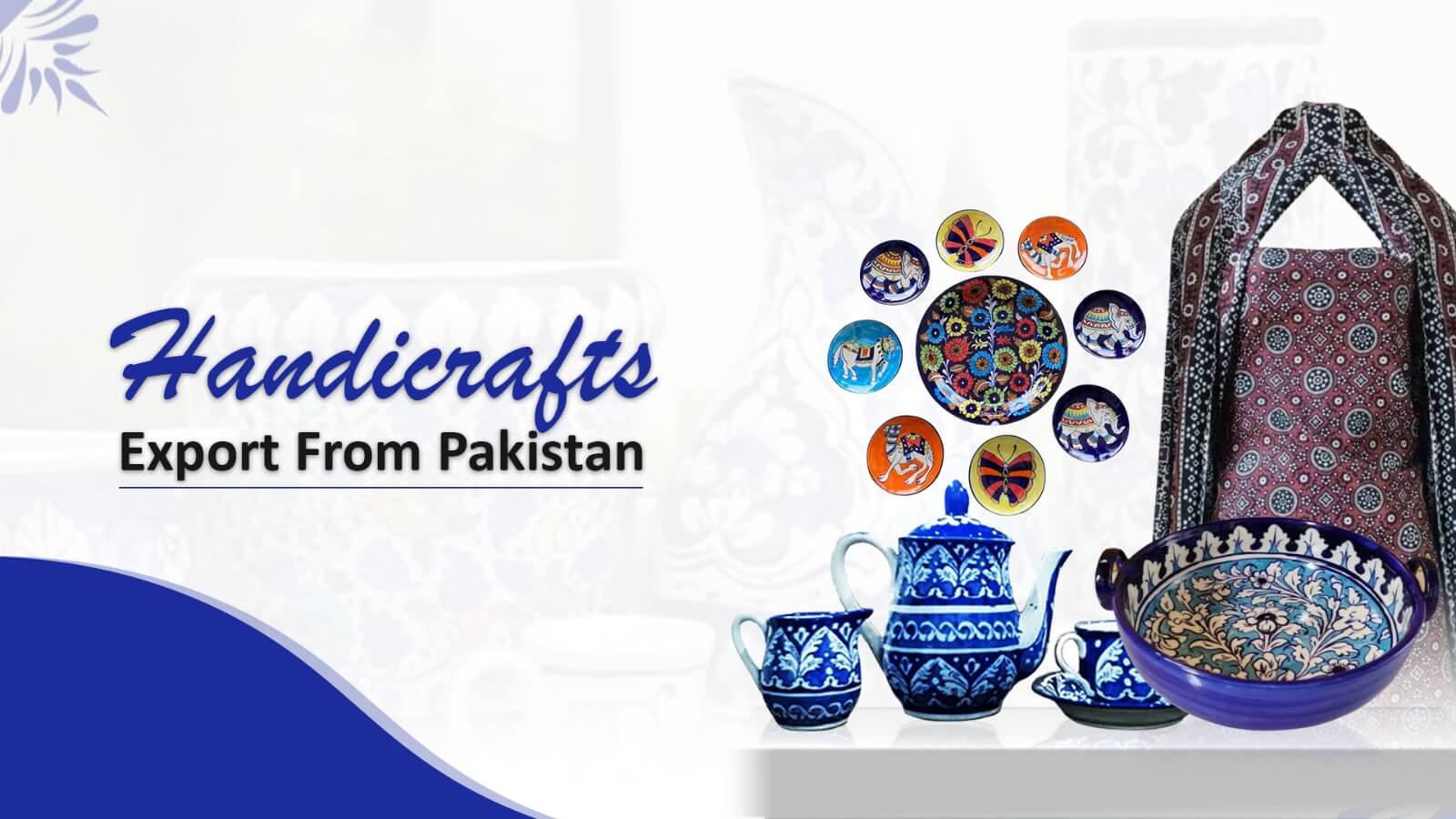
You’ll spot Sindhi ajrak, Multani blue pottery, khussa shoes, rilli quilts, and bright truck art on the roads. Each piece is made with care and tells a small story about our home. Parents and teachers pass these skills to children. When we buy these crafts, we help our artists and keep our culture alive.
Traditional handicrafts of Pakistan
1. Multani Blue Pottery
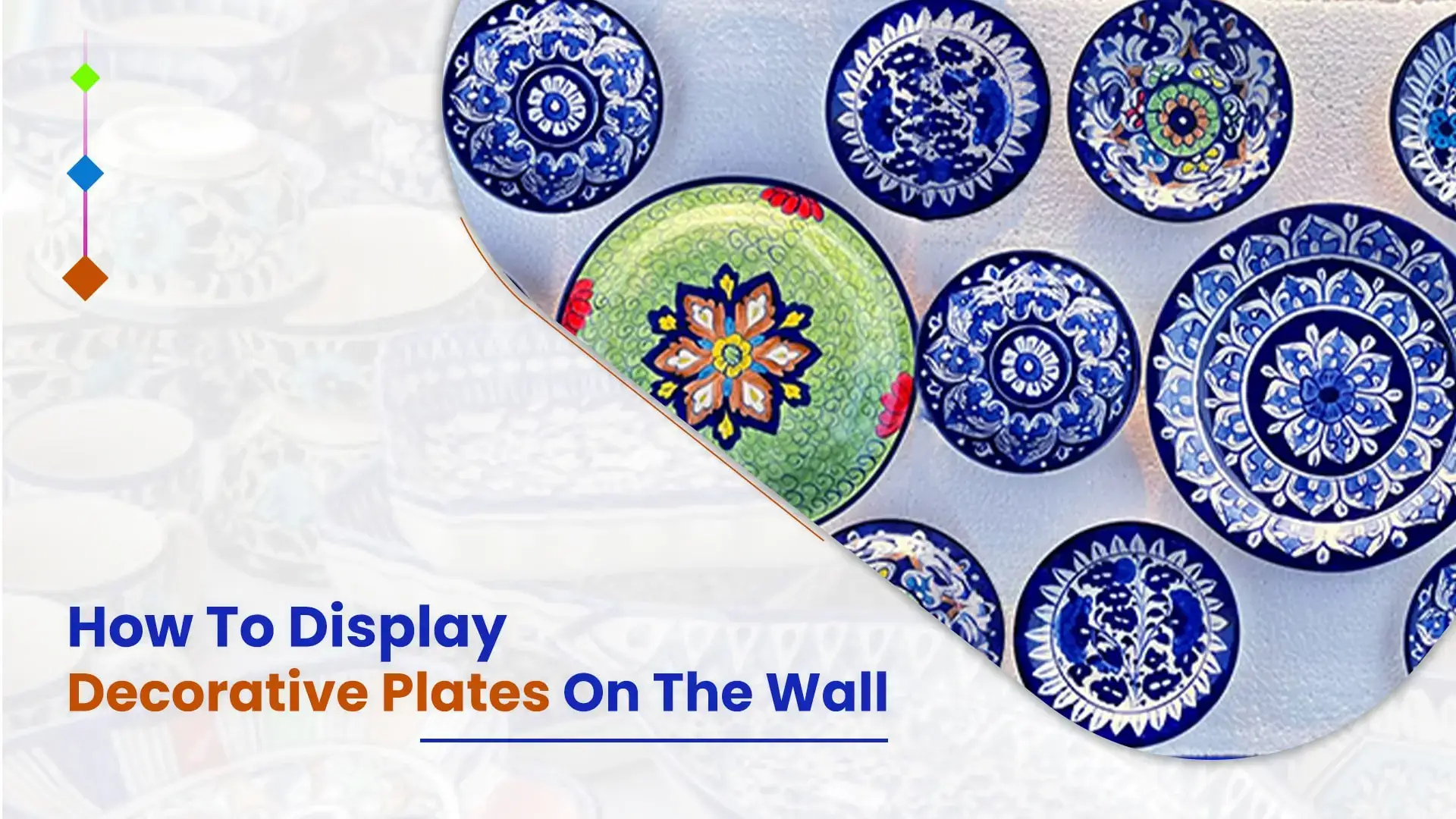
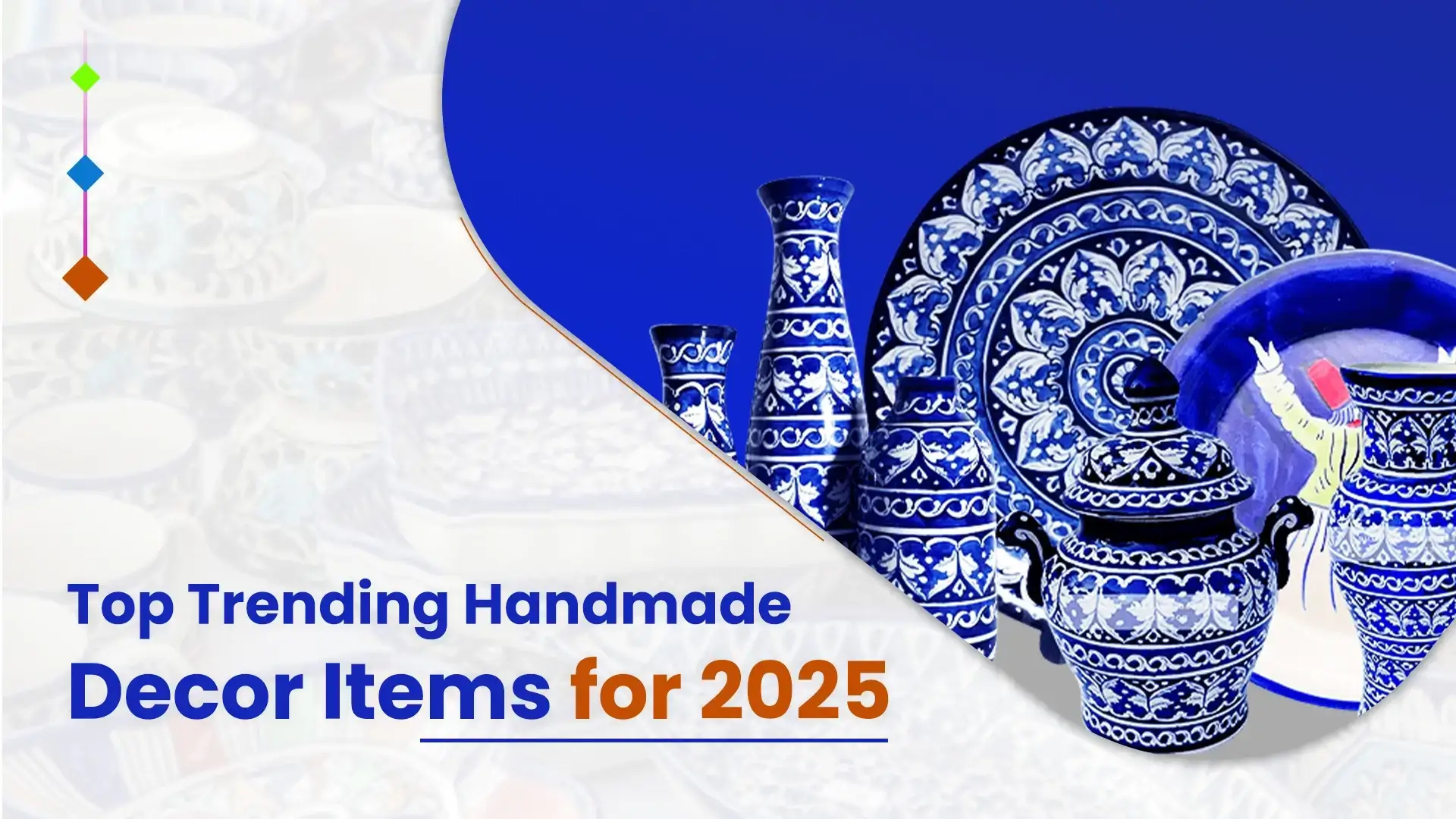
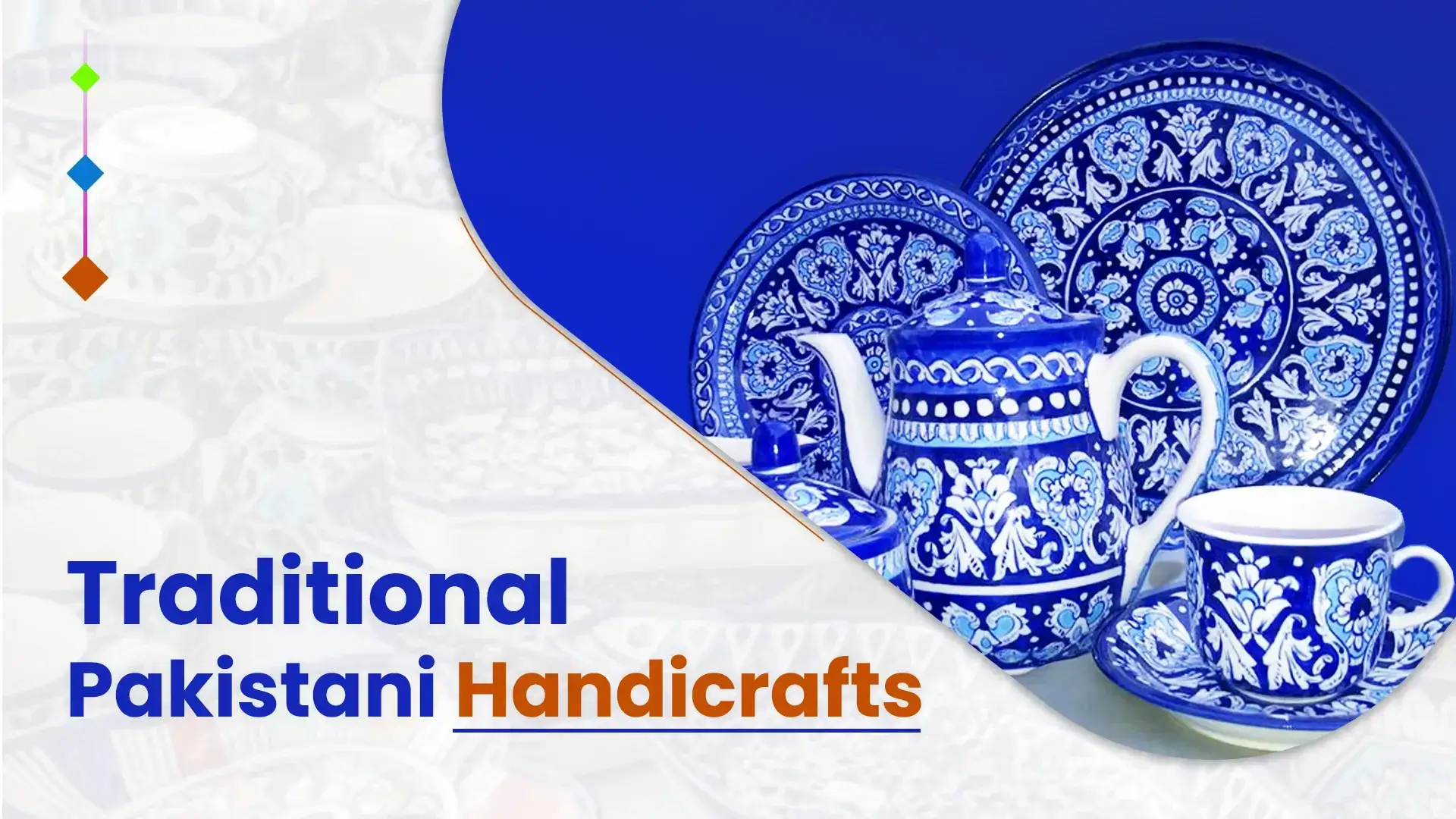
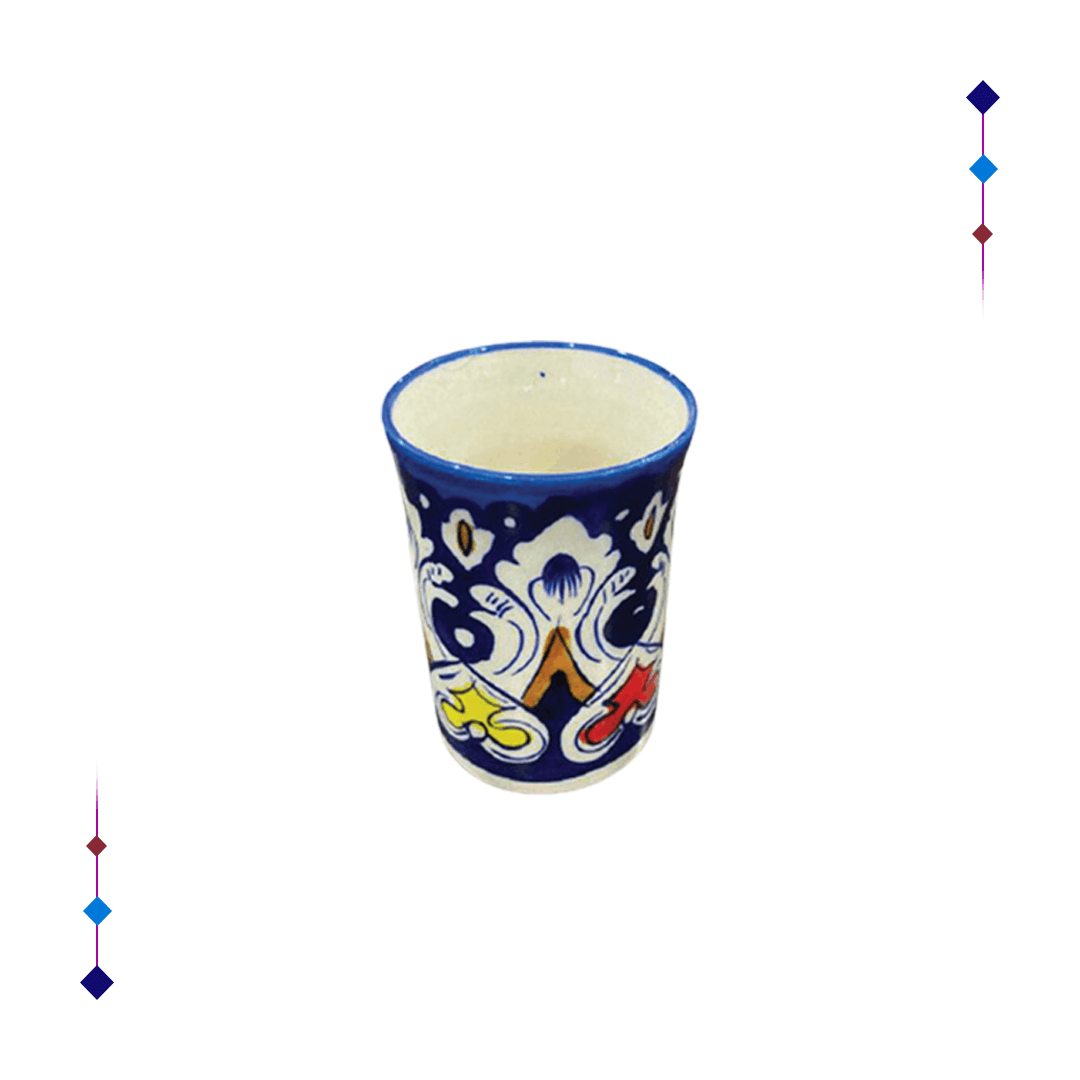
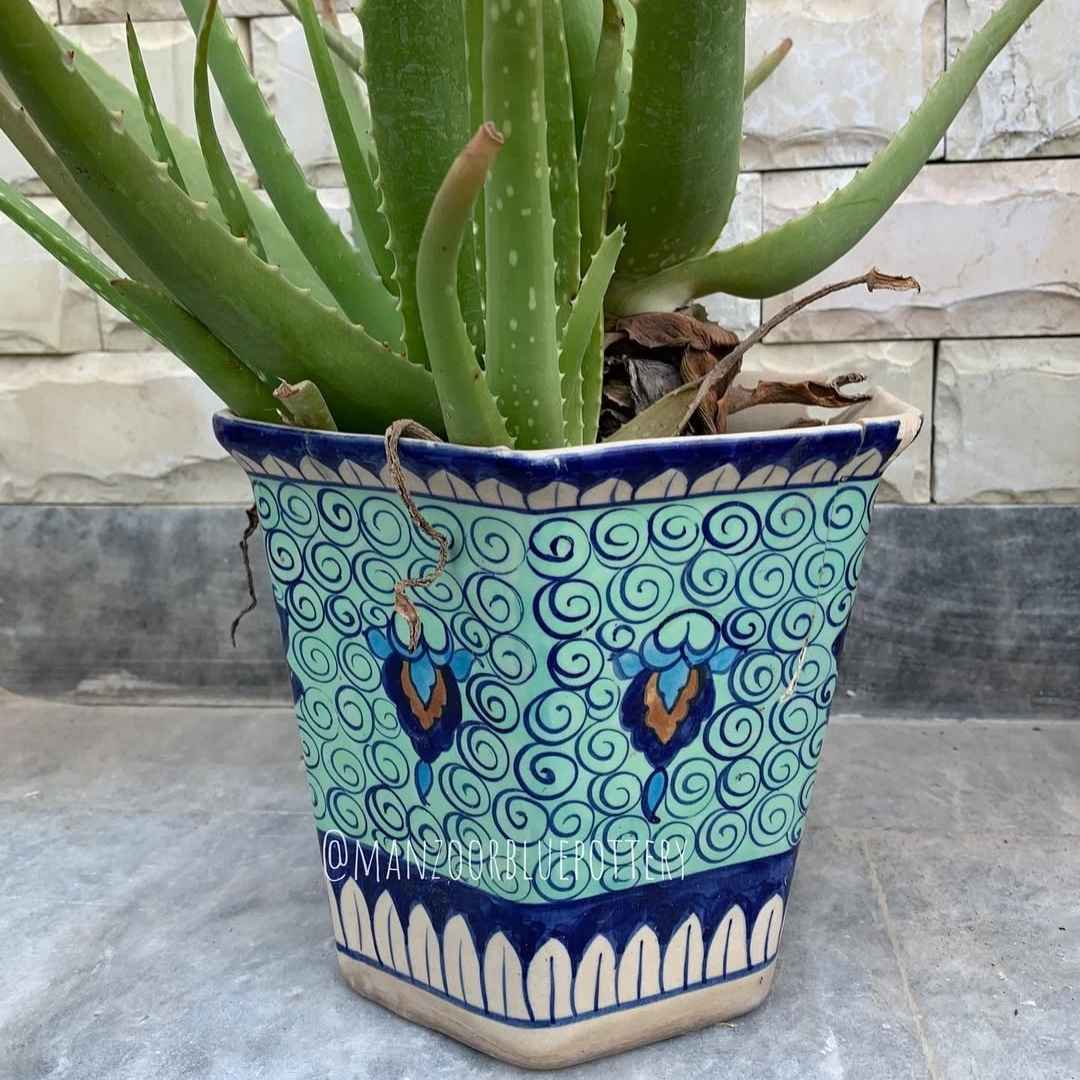
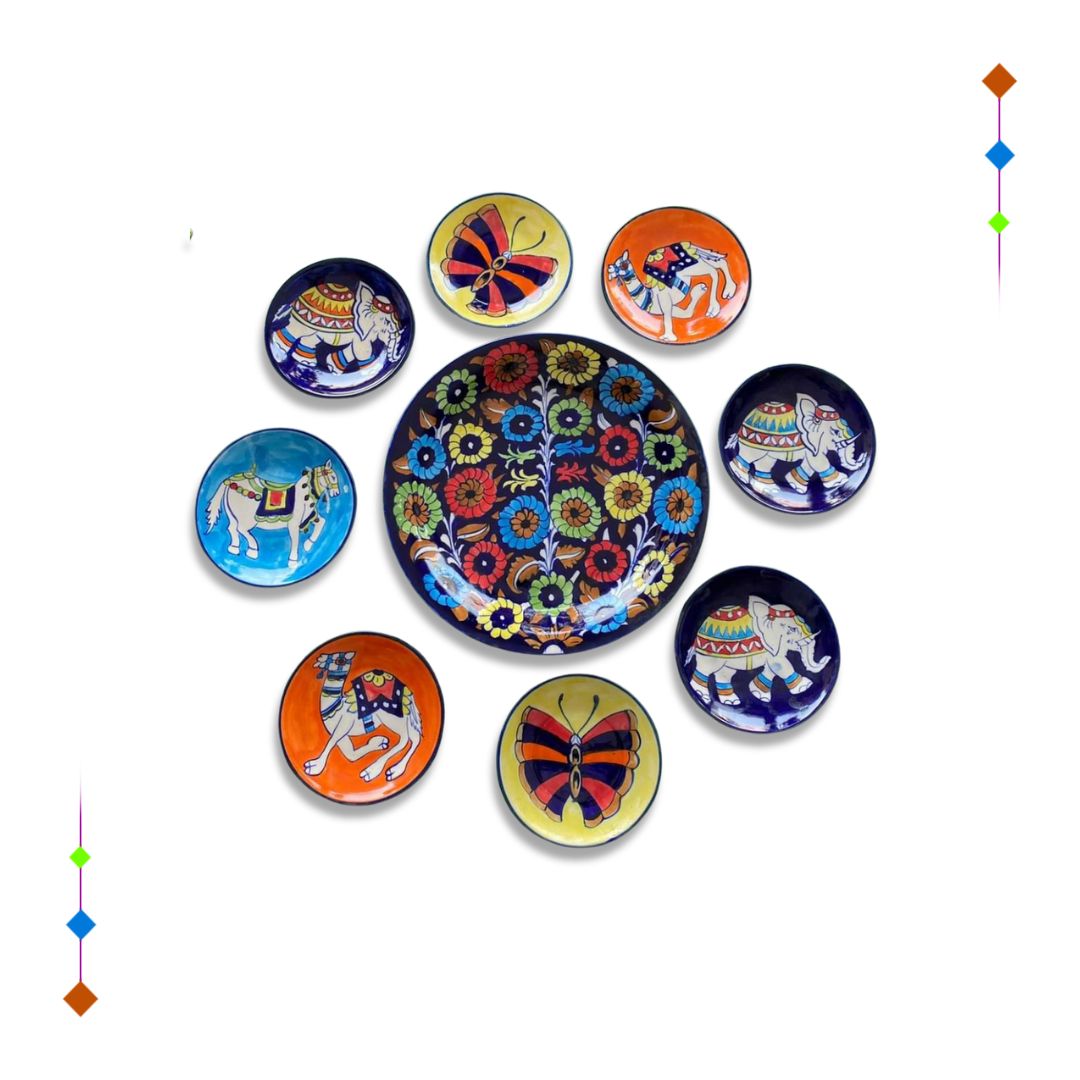
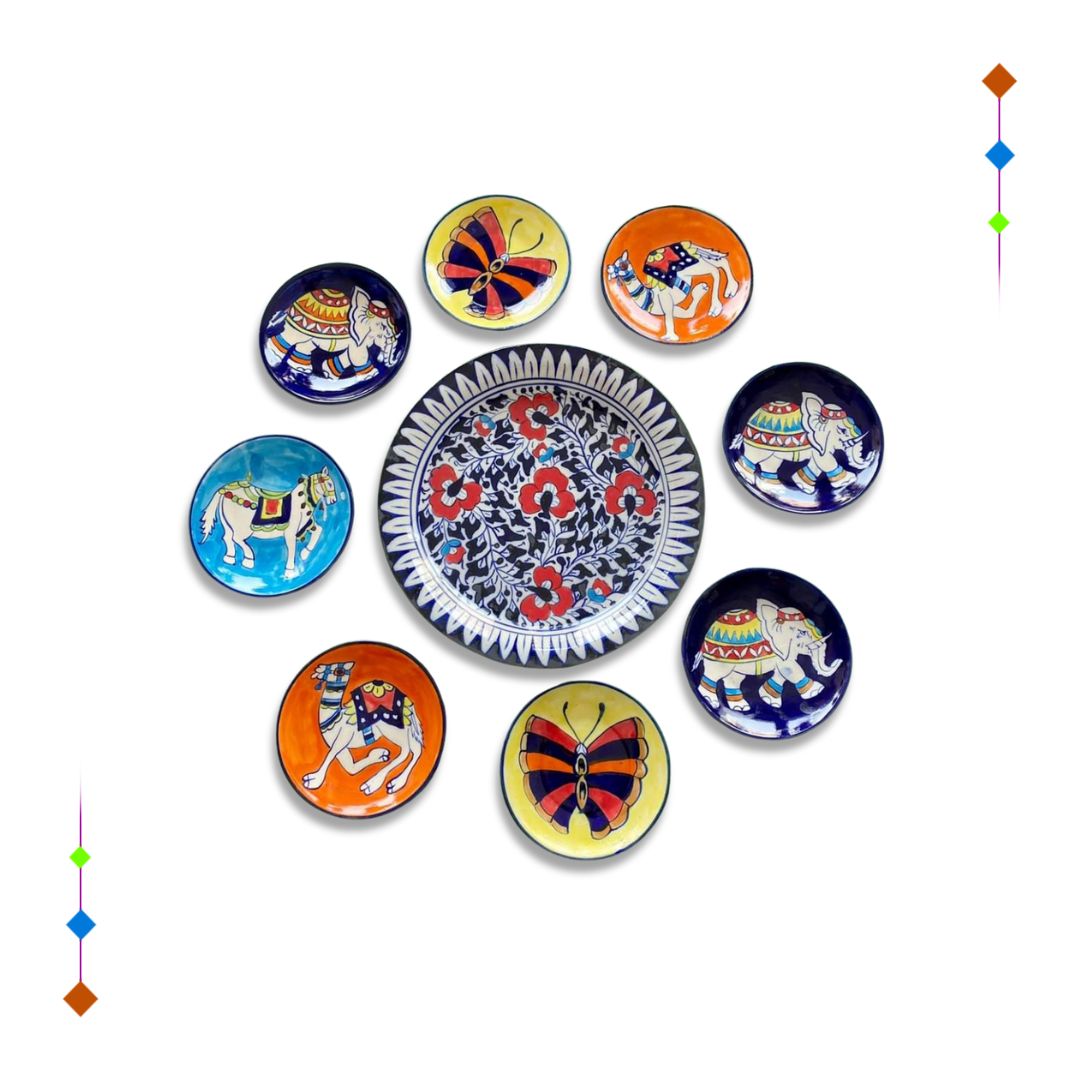
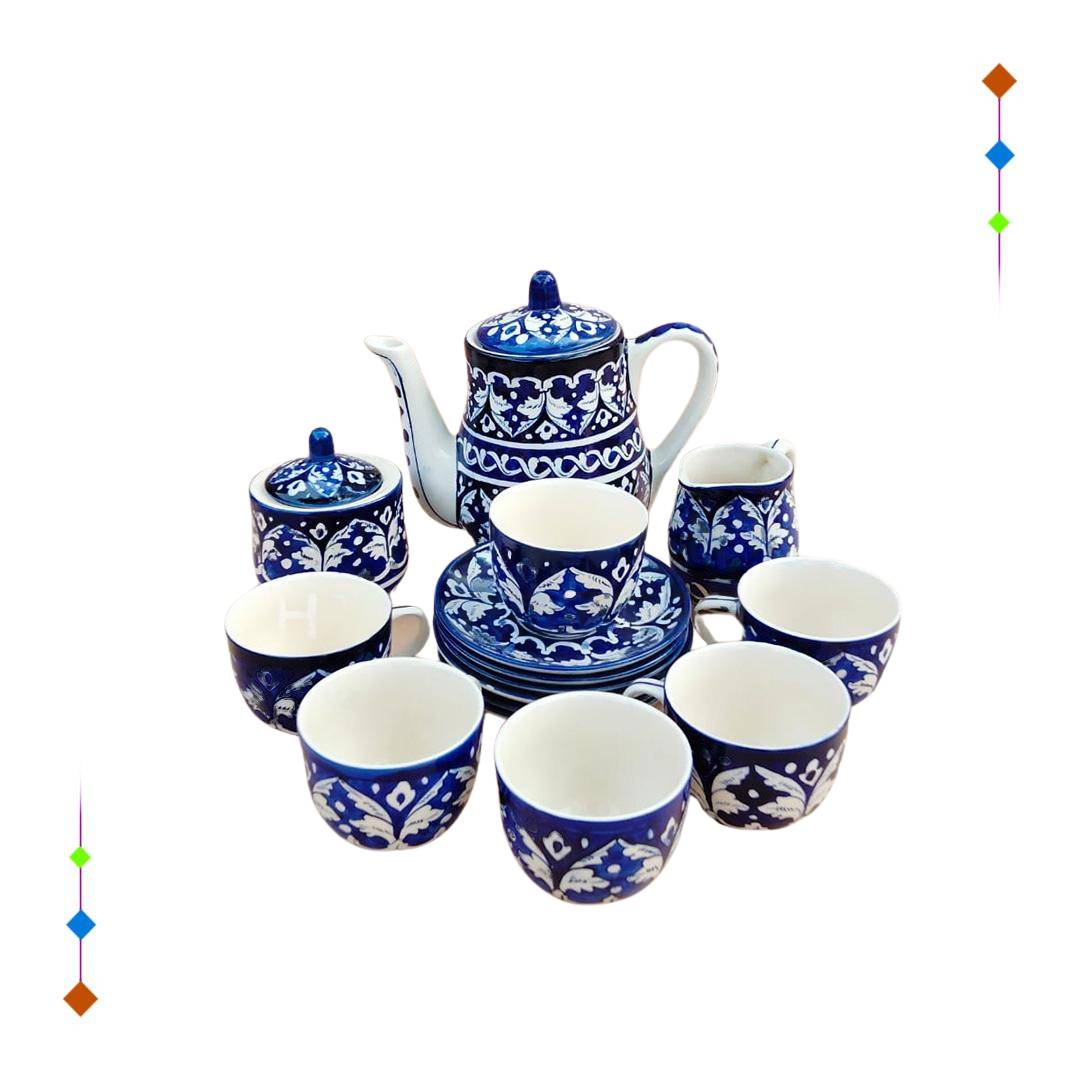
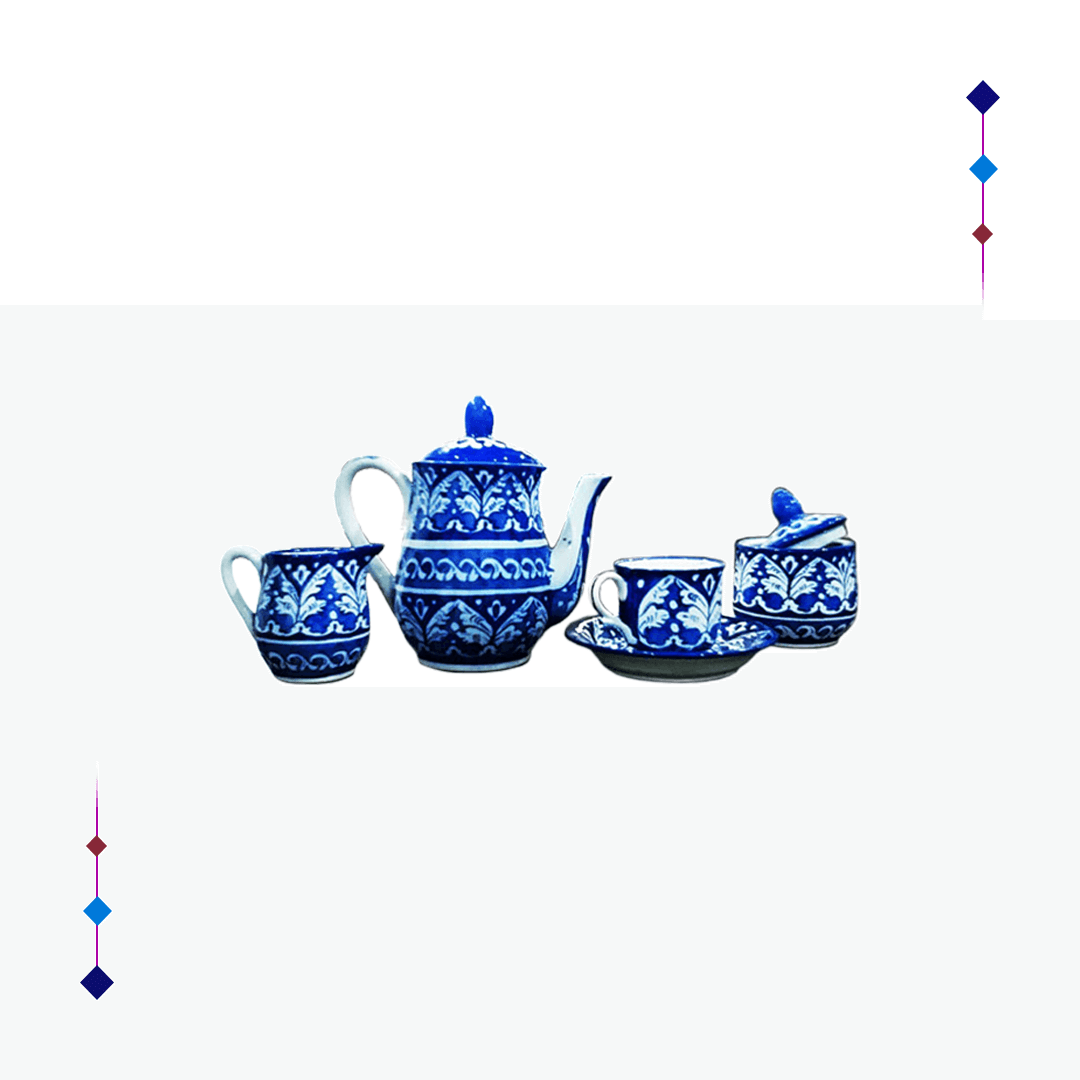
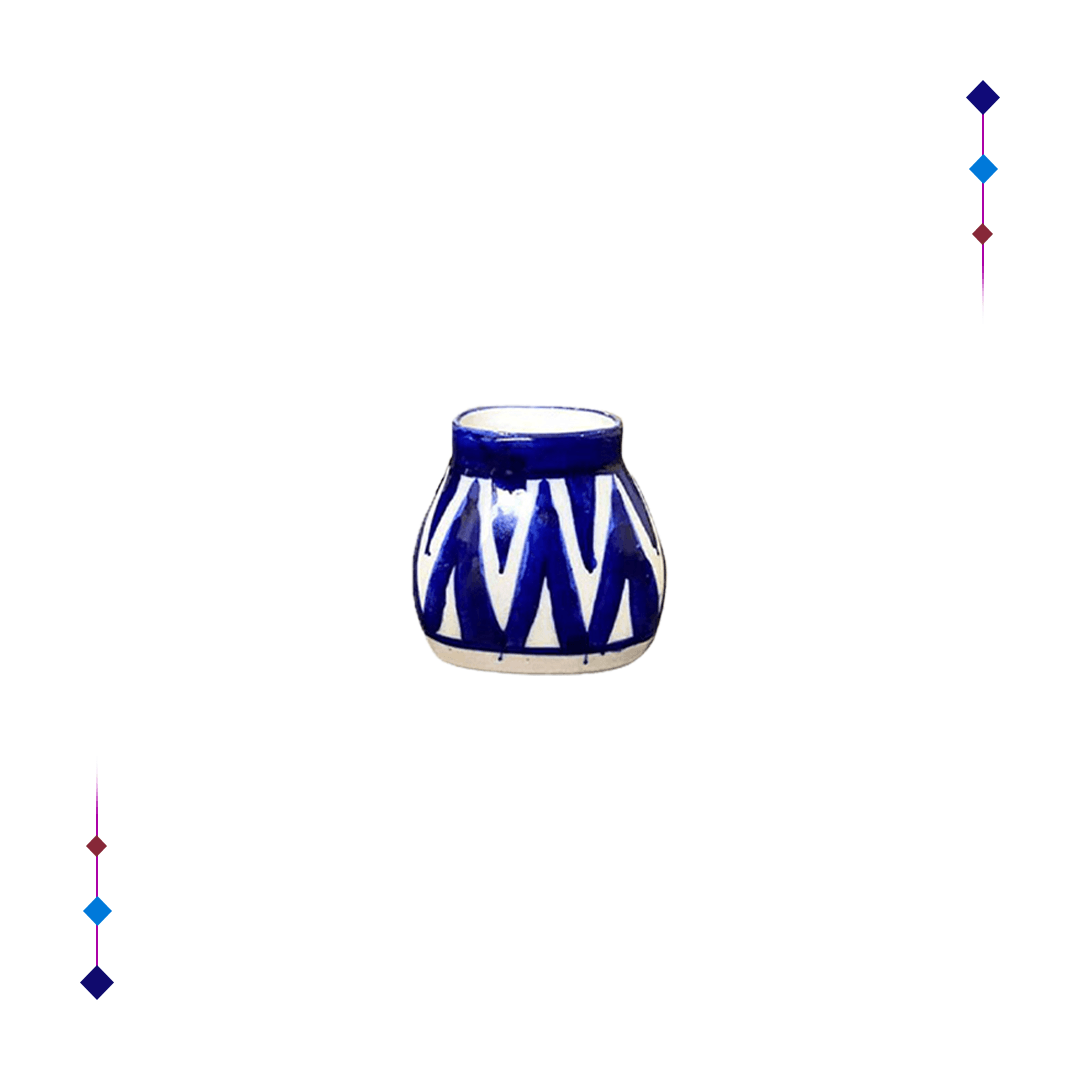
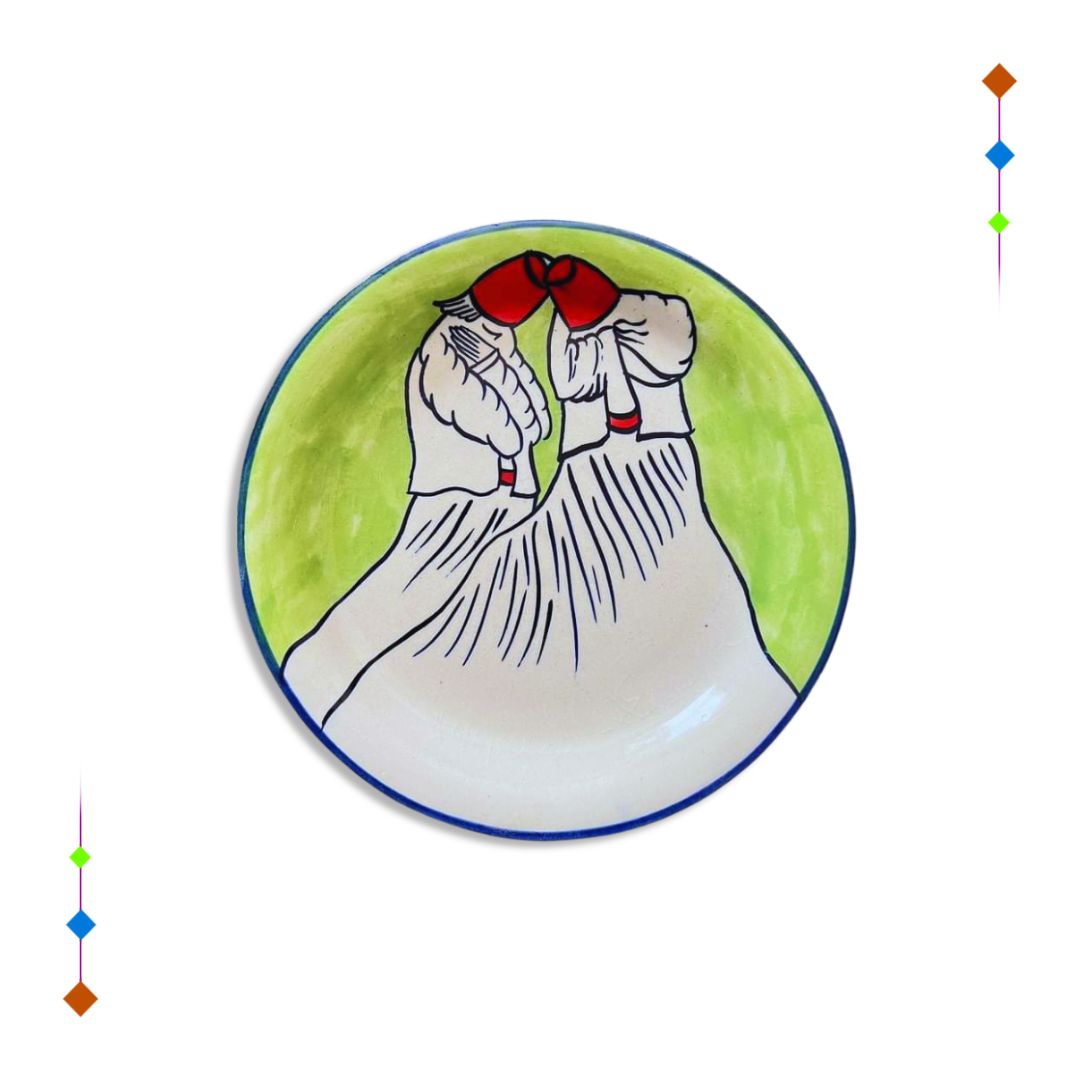
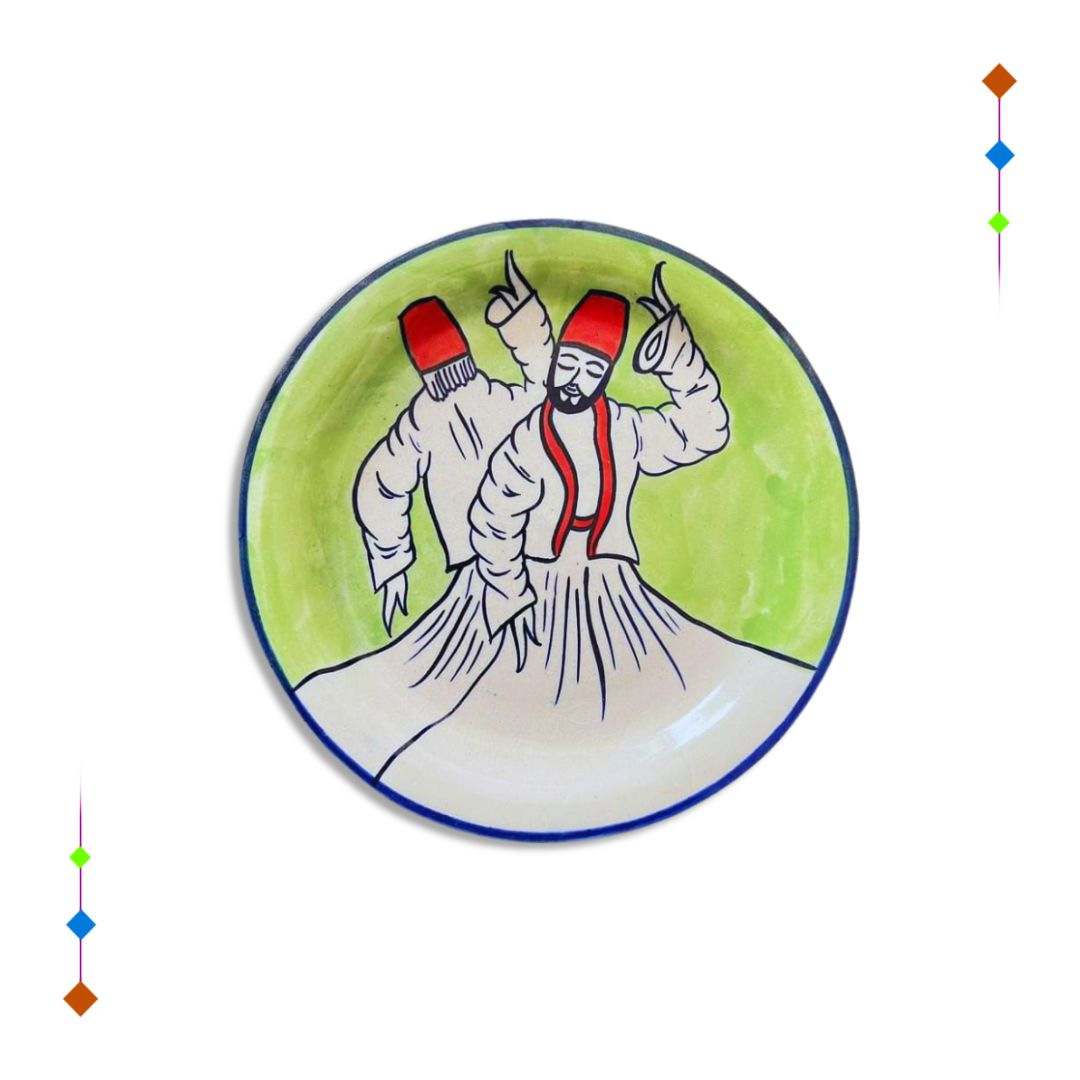
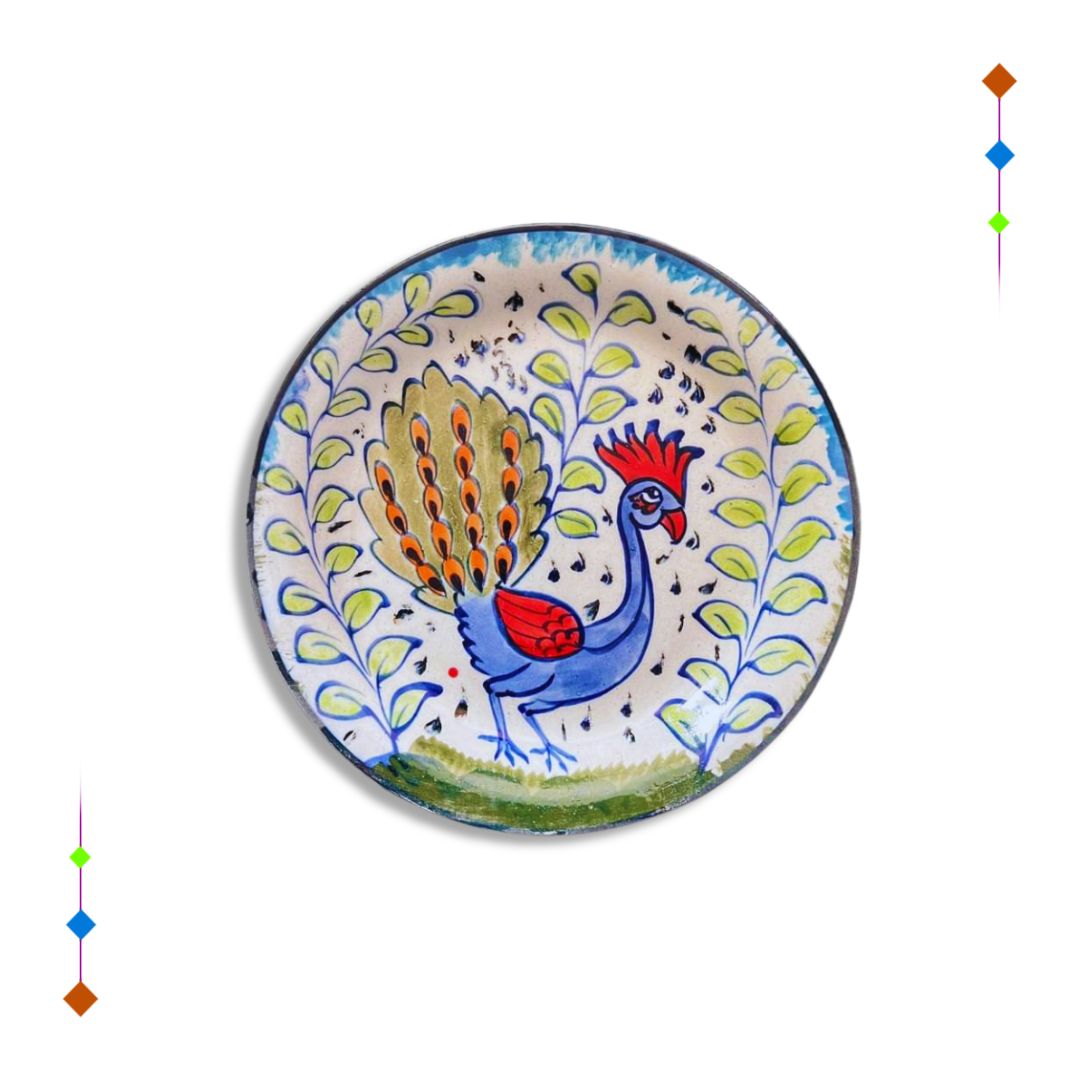
Multani blue pottery is known for its bright blue and white patterns. Makers in Multan use old family methods passed down for many years. People use these pieces to decorate their homes.




2. Sindhi Ajrak & Block Printing
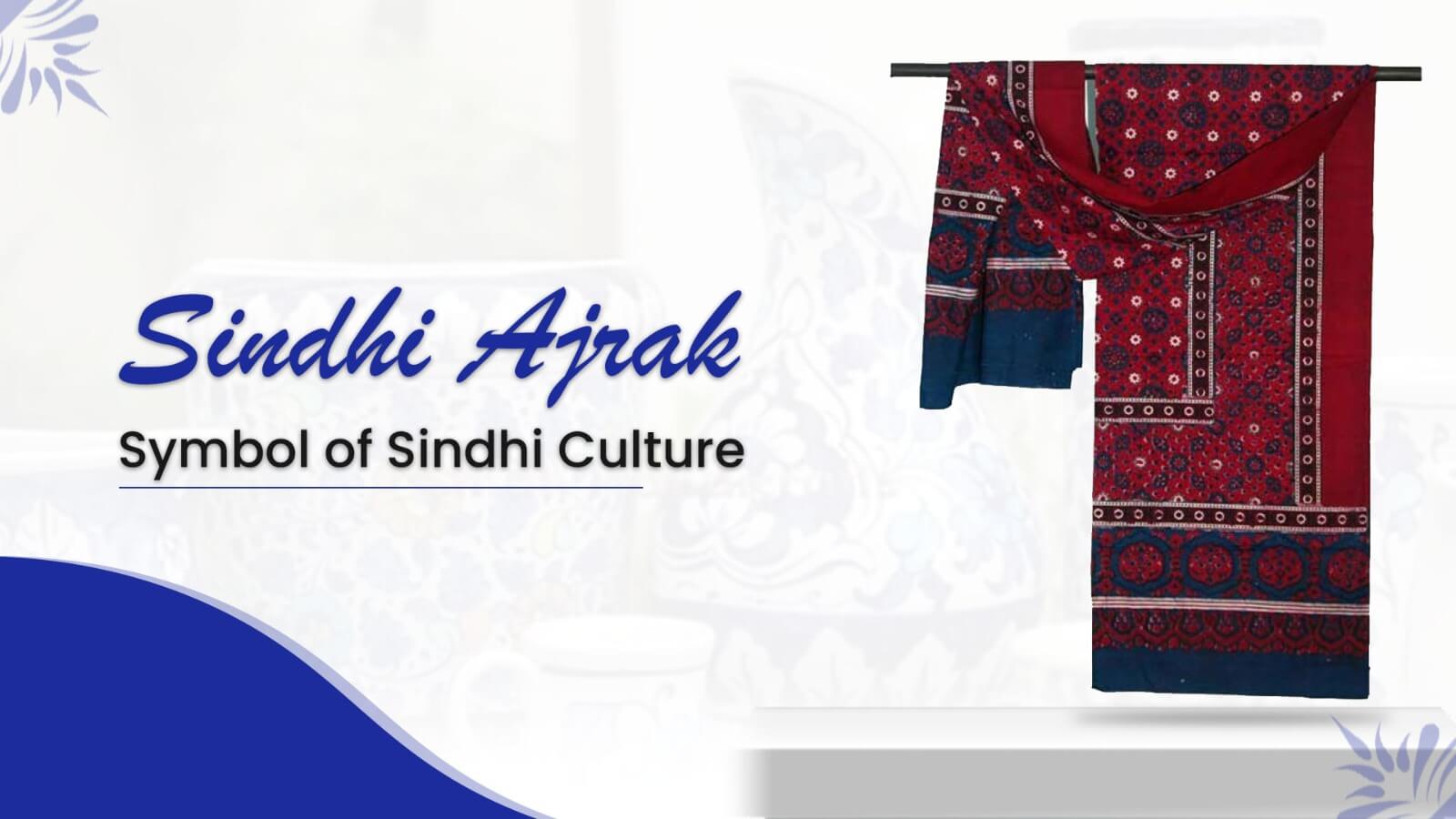
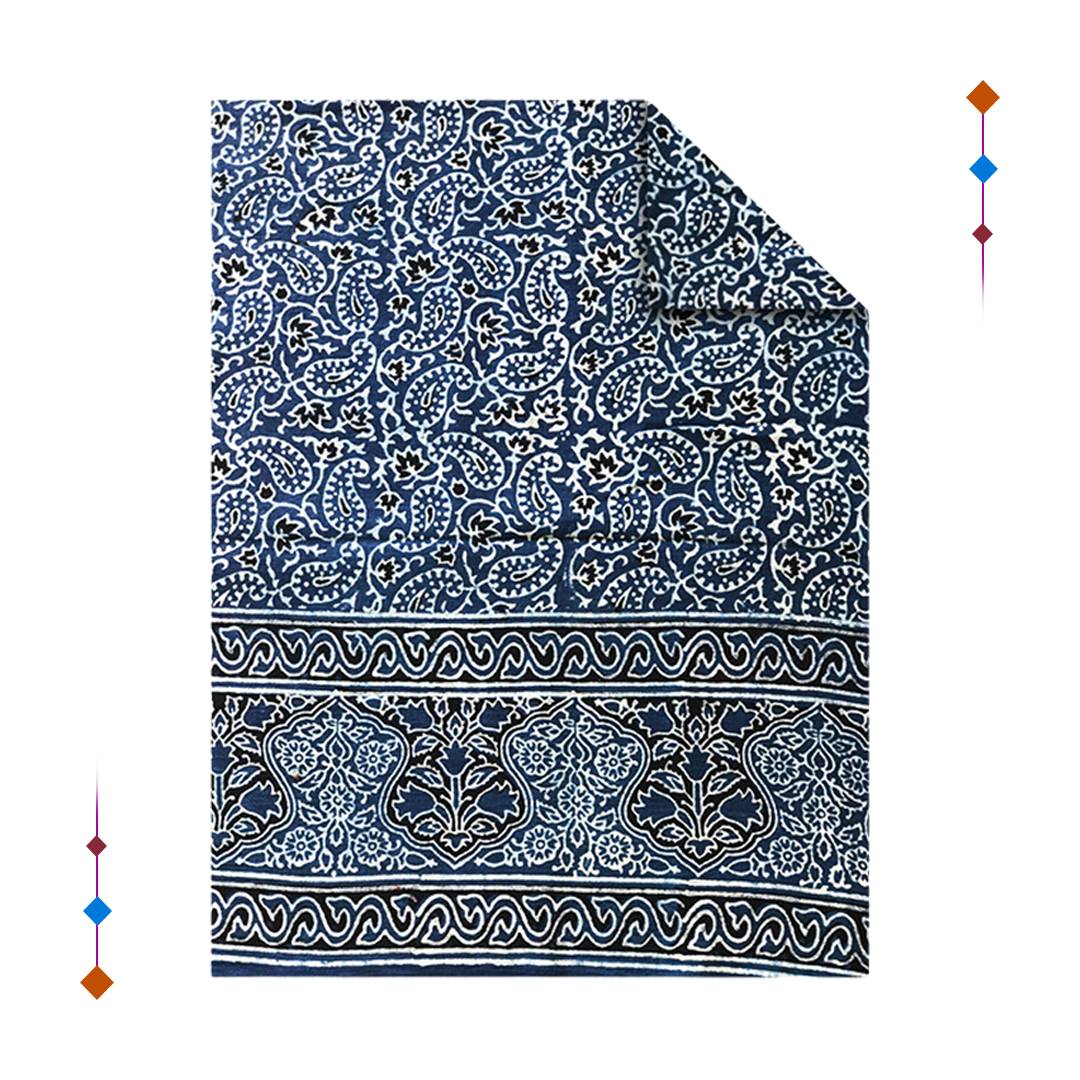
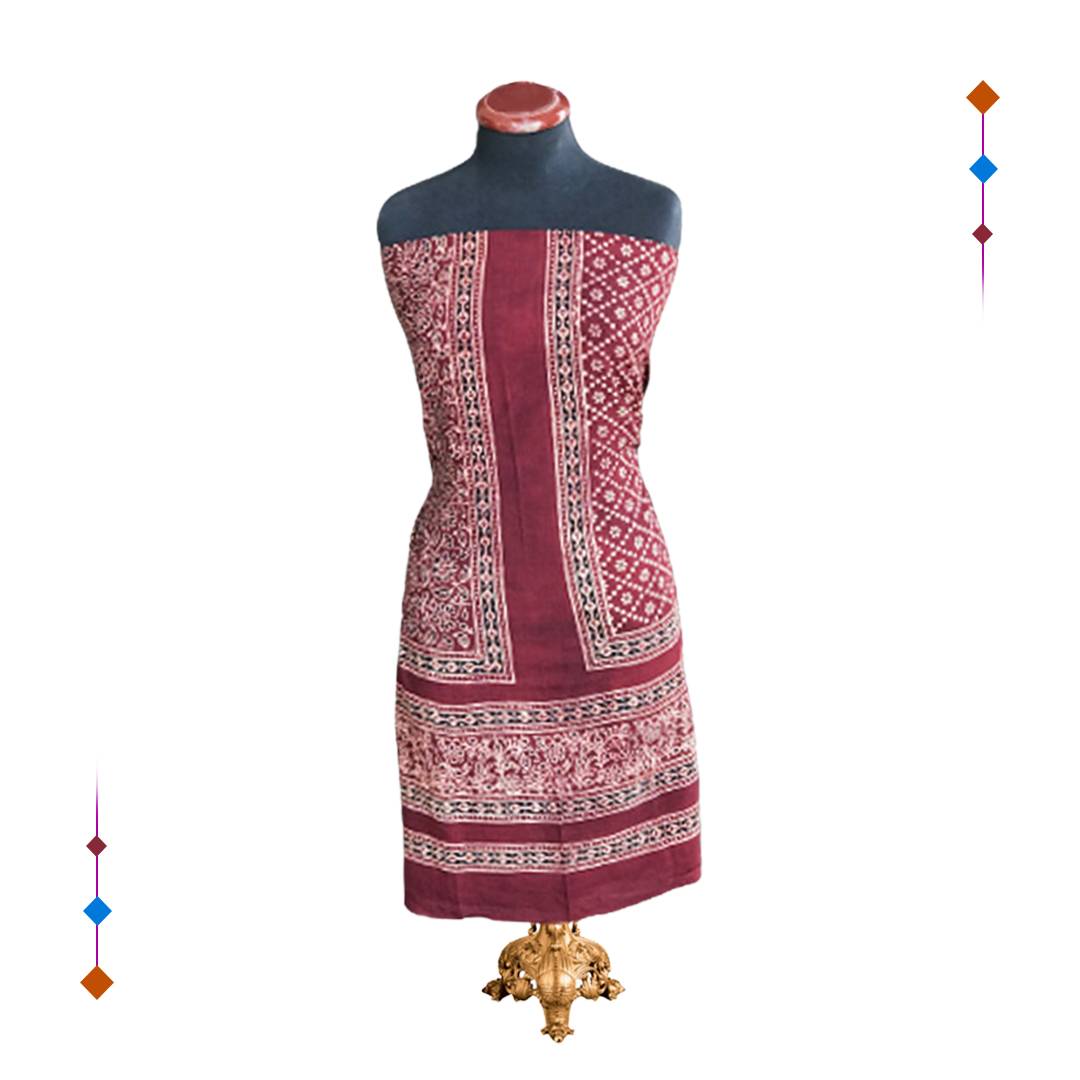
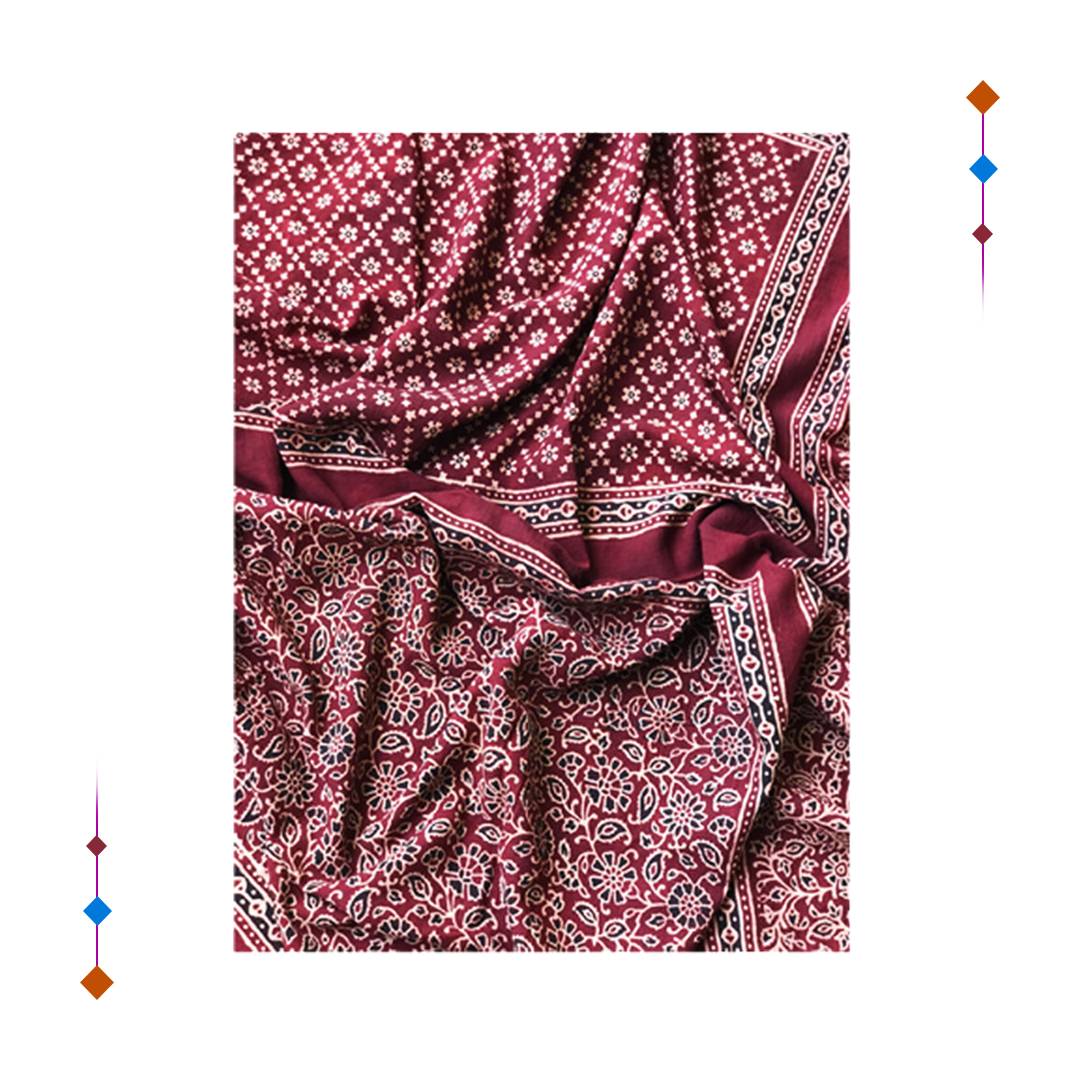
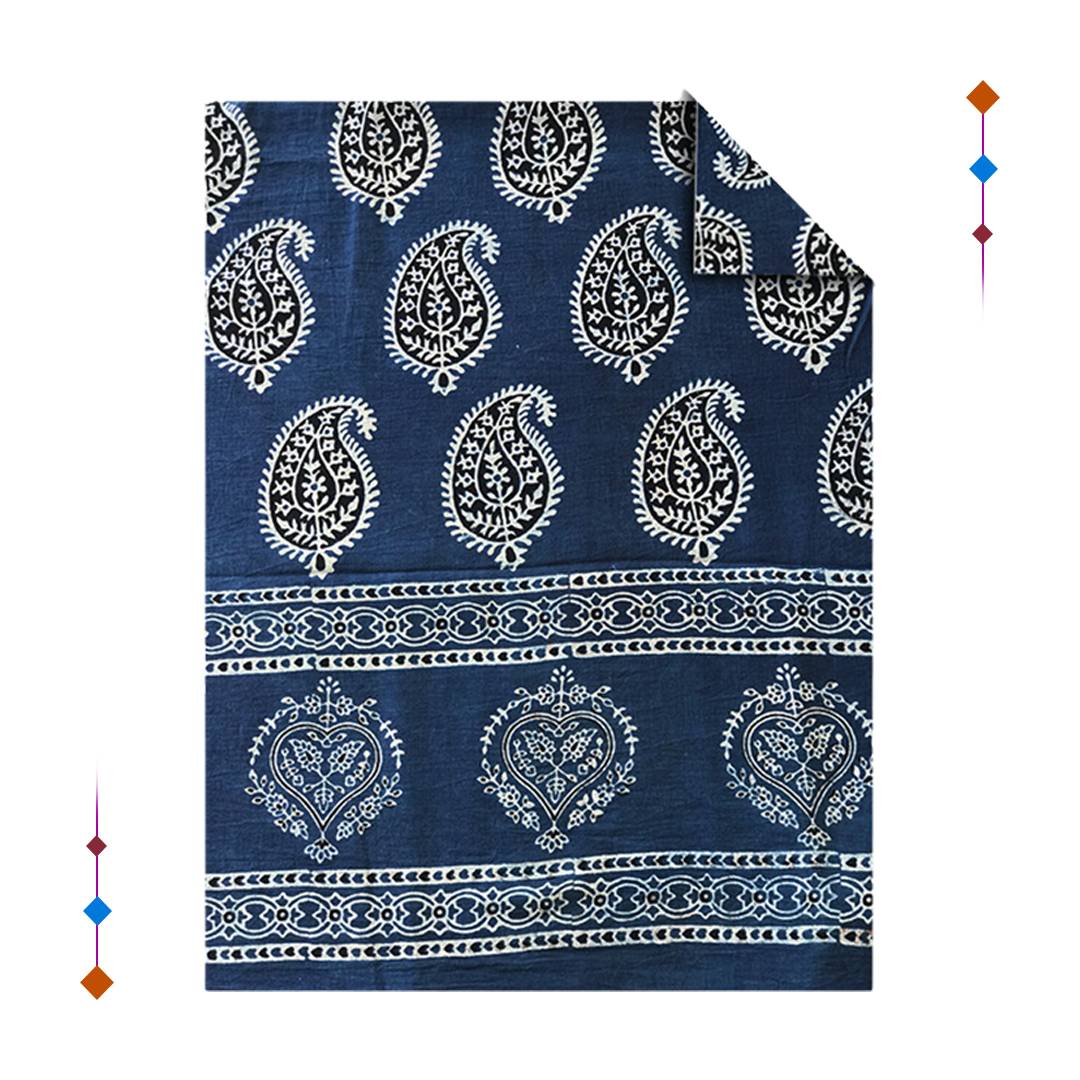
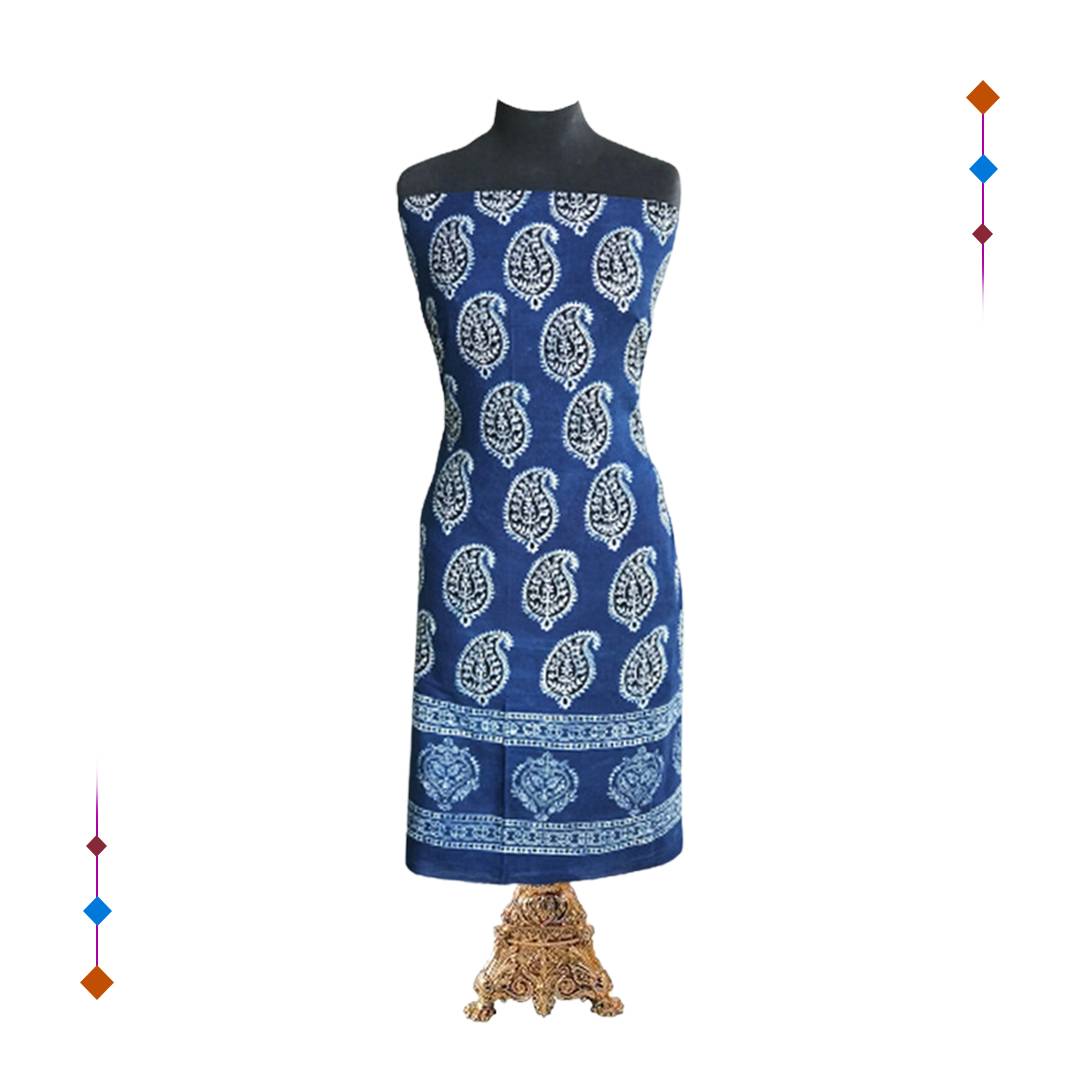
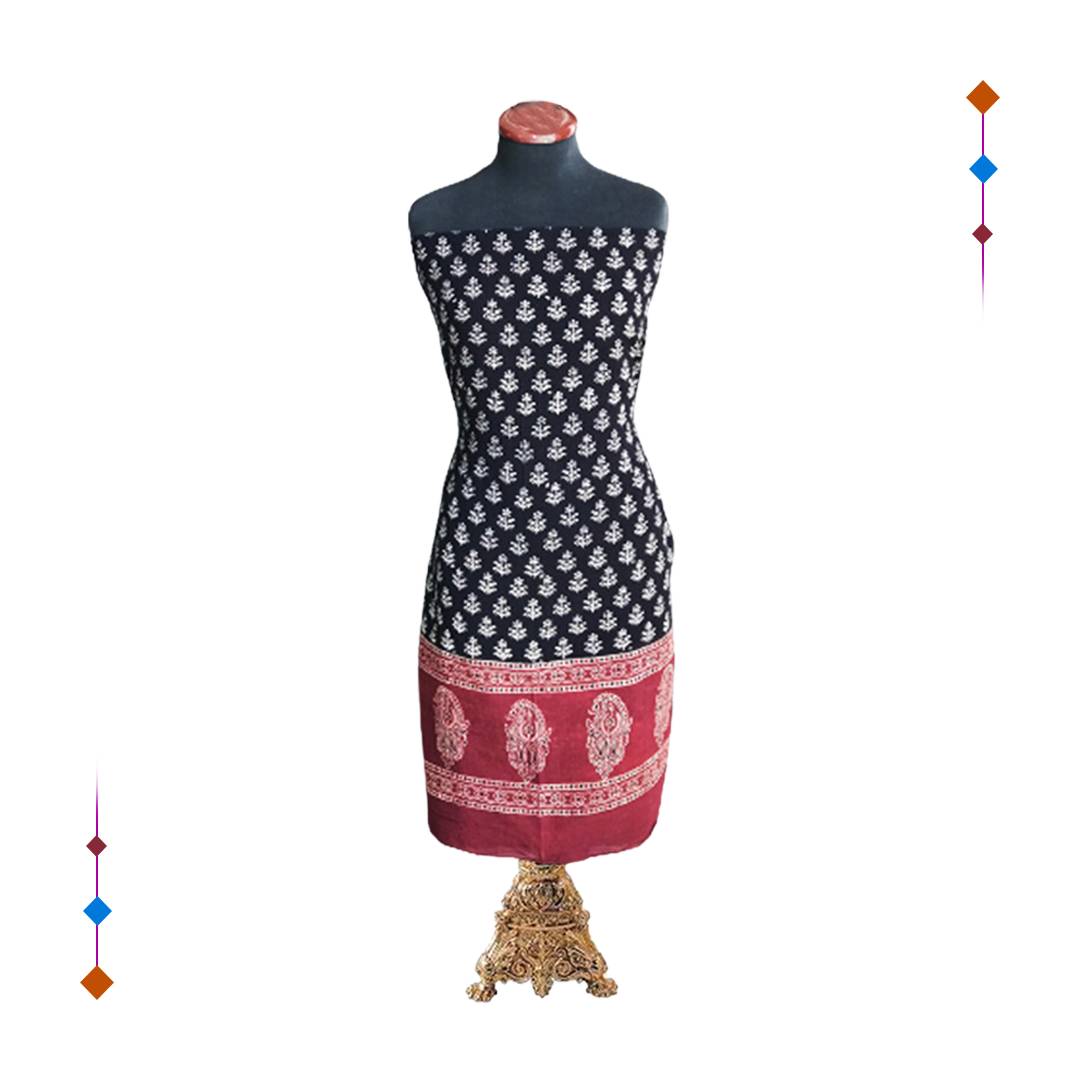
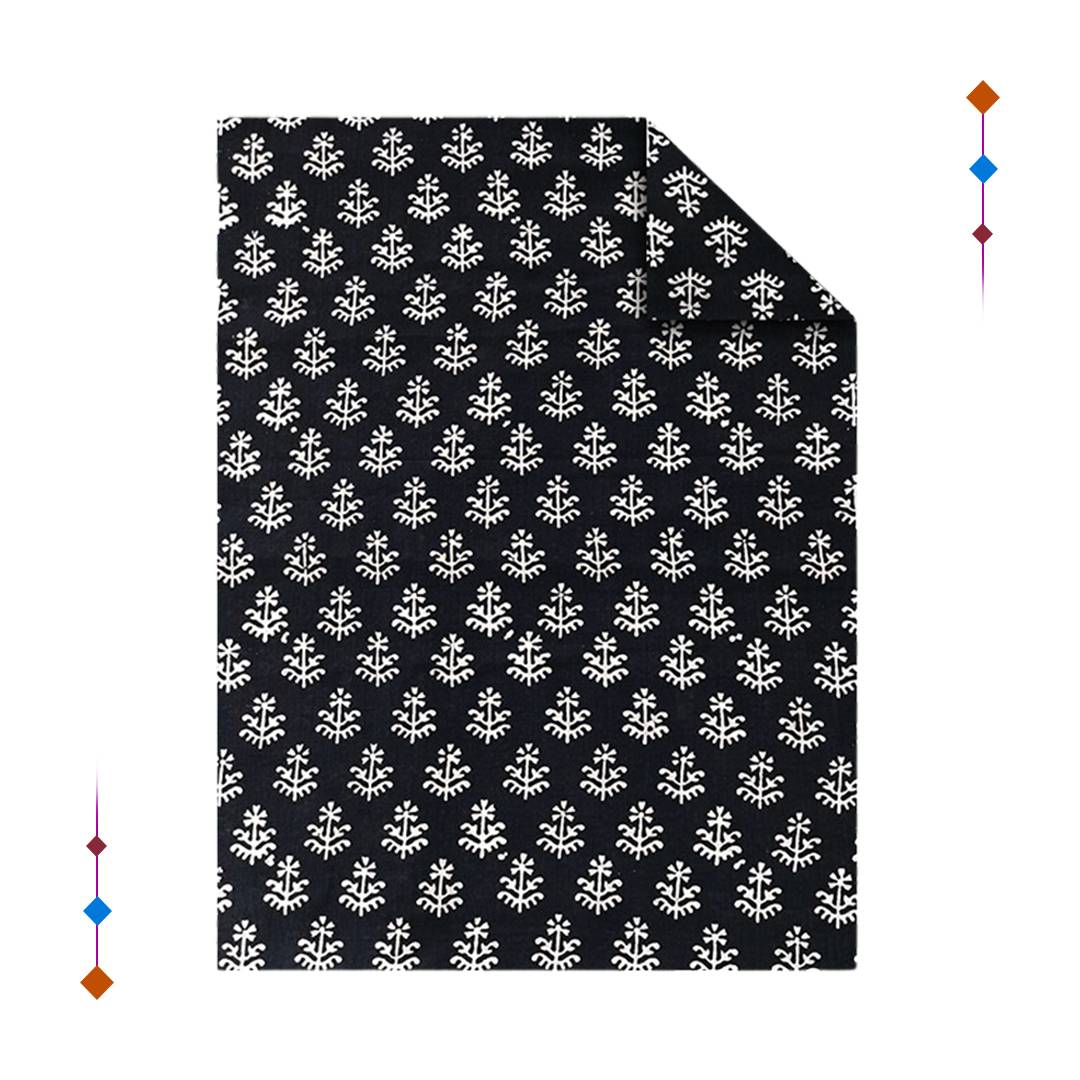
Sindhis are proud of Ajrak. Makers cut wooden blocks, dye them, and then press them onto cotton repeatedly to create the pattern. They are deep blue, red, black, and white with small stars and flowers. The cloth is printed, then washed and dried in the sun to ensure the colors remain strong.

3. Kashmiri Shawls & Embroidery
Kashmiri shawls are soft, light, and warm. Architects stitch tiny flowers and vines with fine needlework called sozni. People wear them in winter and give them as special gifts to show love.
4. Handwovn Rugs & Carpets
Carpets from Lahore and Balochistan are famous for neat, detailed patterns. Weavers tie tiny knots in wool and sometimes silk to make thick, soft rugs. They add rich colors and repeats of flowers and shapes. These carpets look beautiful in homes and last for years.
5. Brass & Copper Handicrafts
Makers in Lahore and Peshawar make bowls, trays, and jugs out of brass and copper. The metal is heated and beaten, and the small designs are cut by hand. The works are bright, powerful, and durable.
6. Wooden Handicrafts & Carvings
From Chiniot and Swat, woodworkers make strong furniture and hand-carved decor. They carve flowers and neat patterns into sheesham wood, line by line. Each piece is made by hand, making any room feel warm and special.
7. Traditional Jewelry
Hunza and Karachi are known for silver and gold jewelry with colorful stones. You’ll see rings, bangles, and necklaces. Many designs come from local tribal styles and are worn at weddings and festivals.
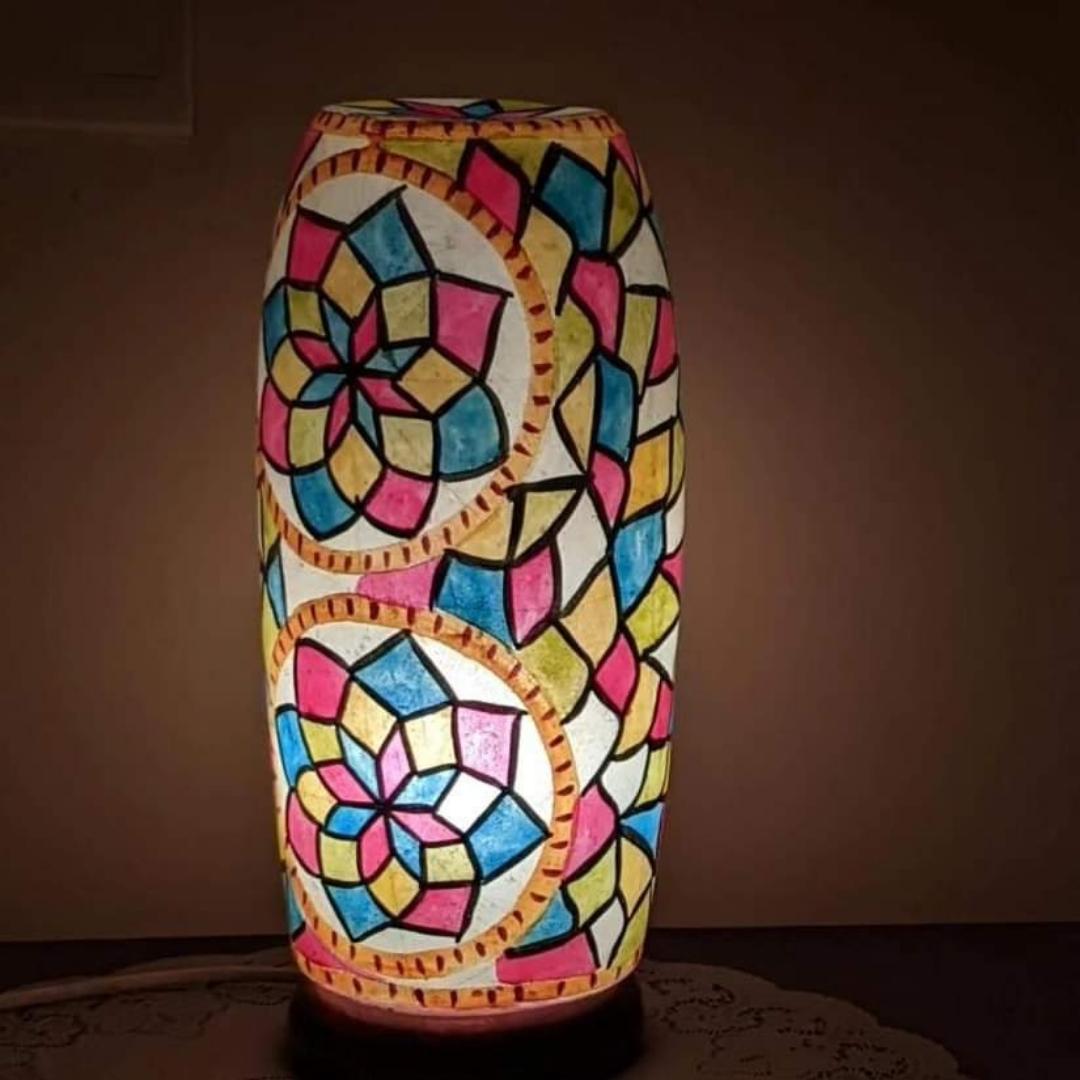
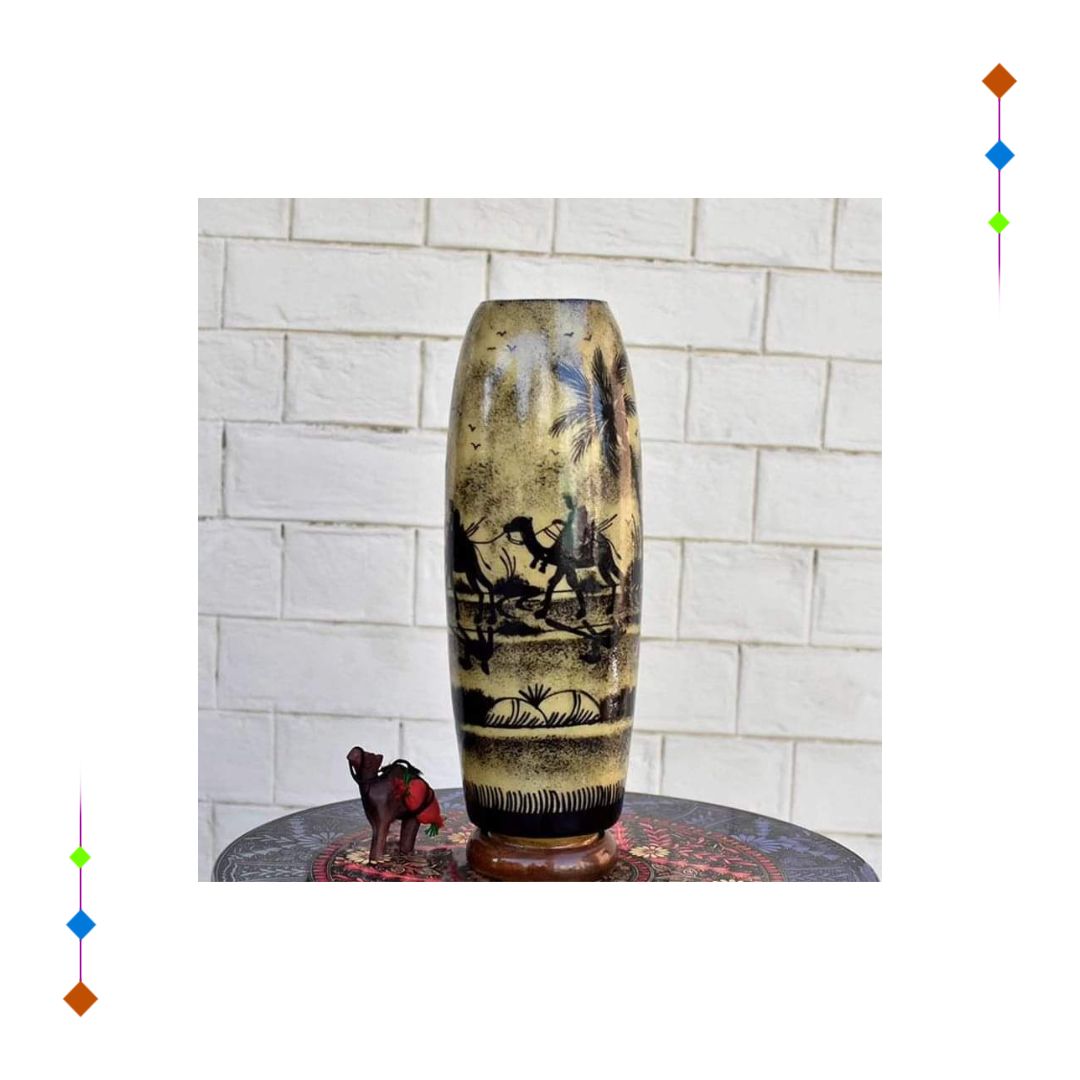
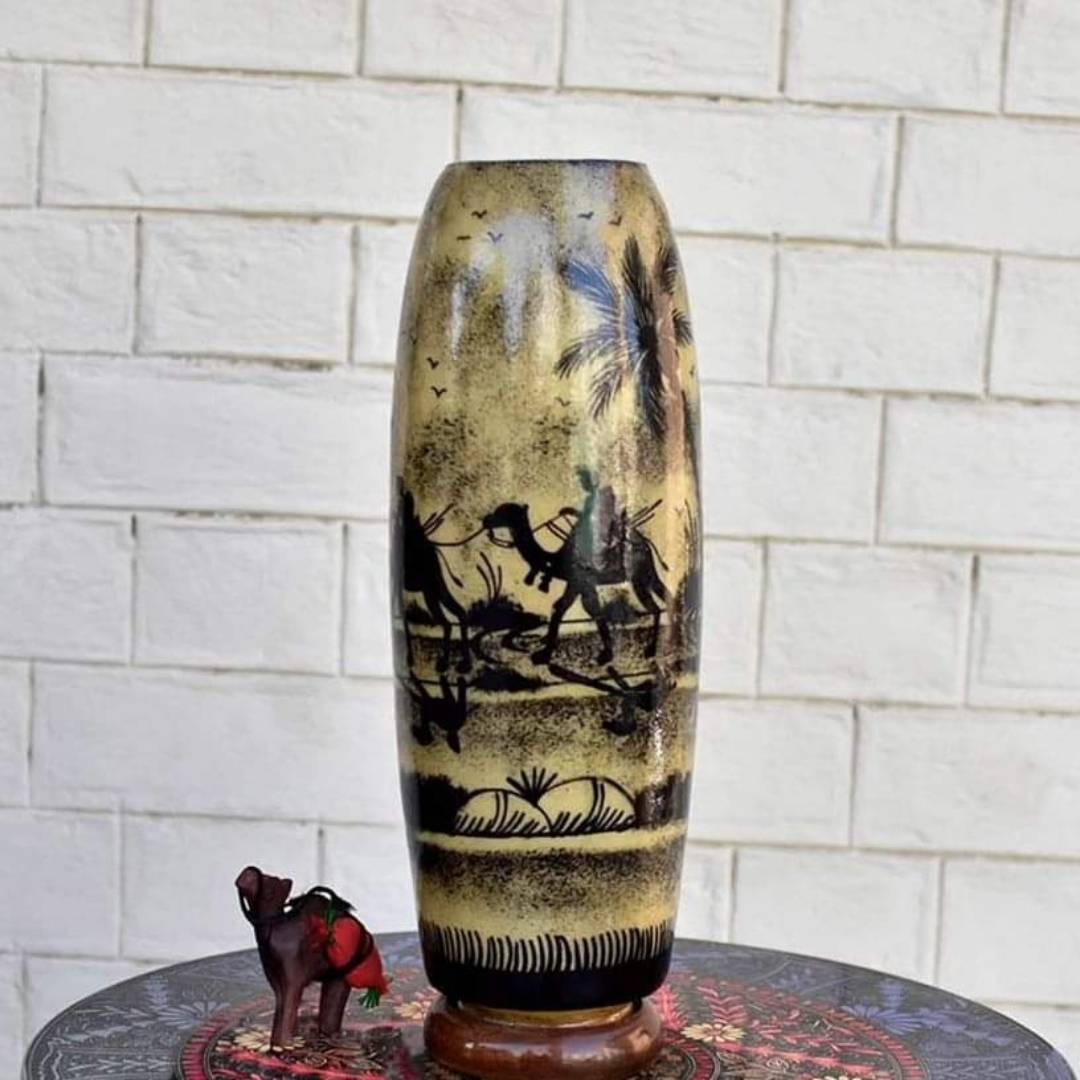
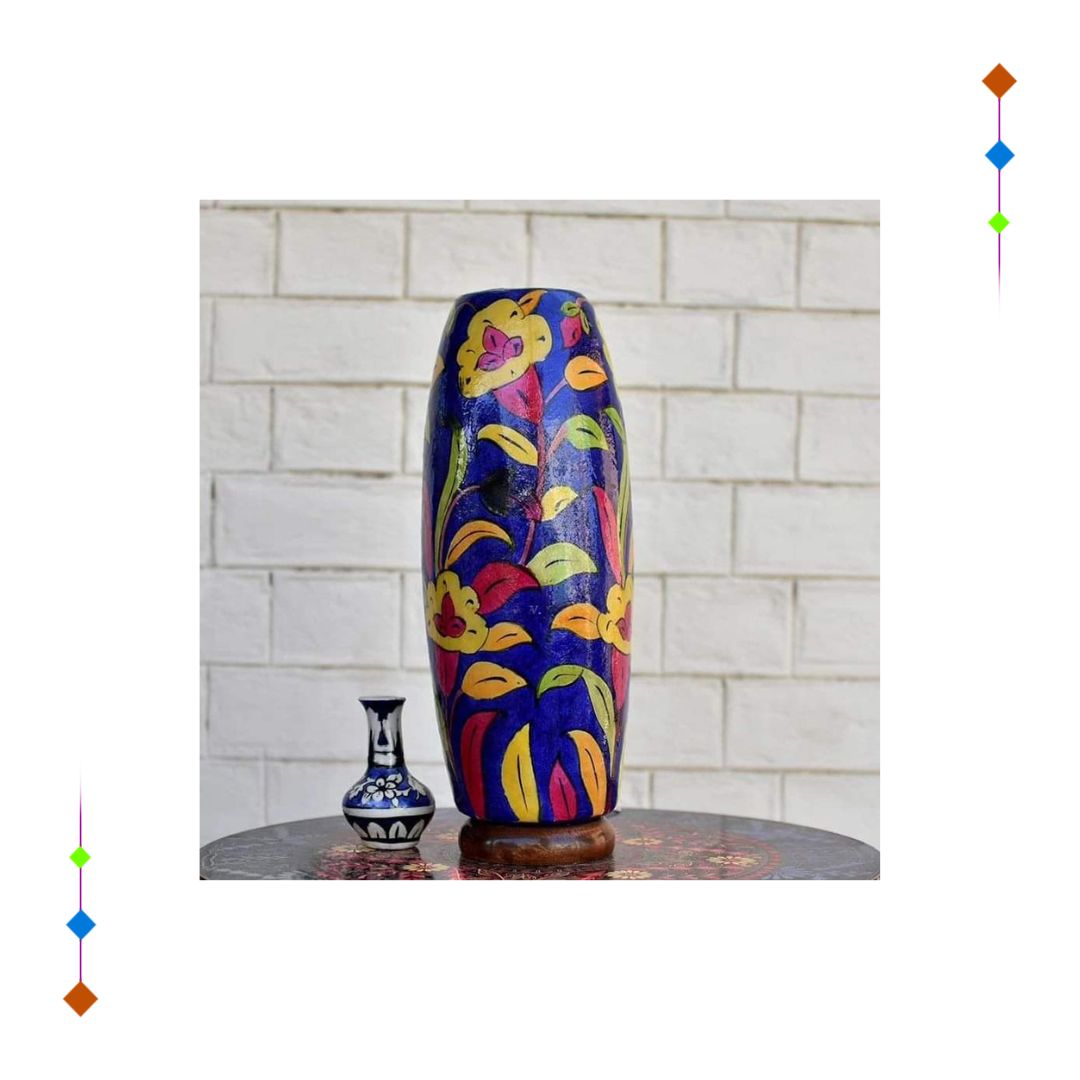
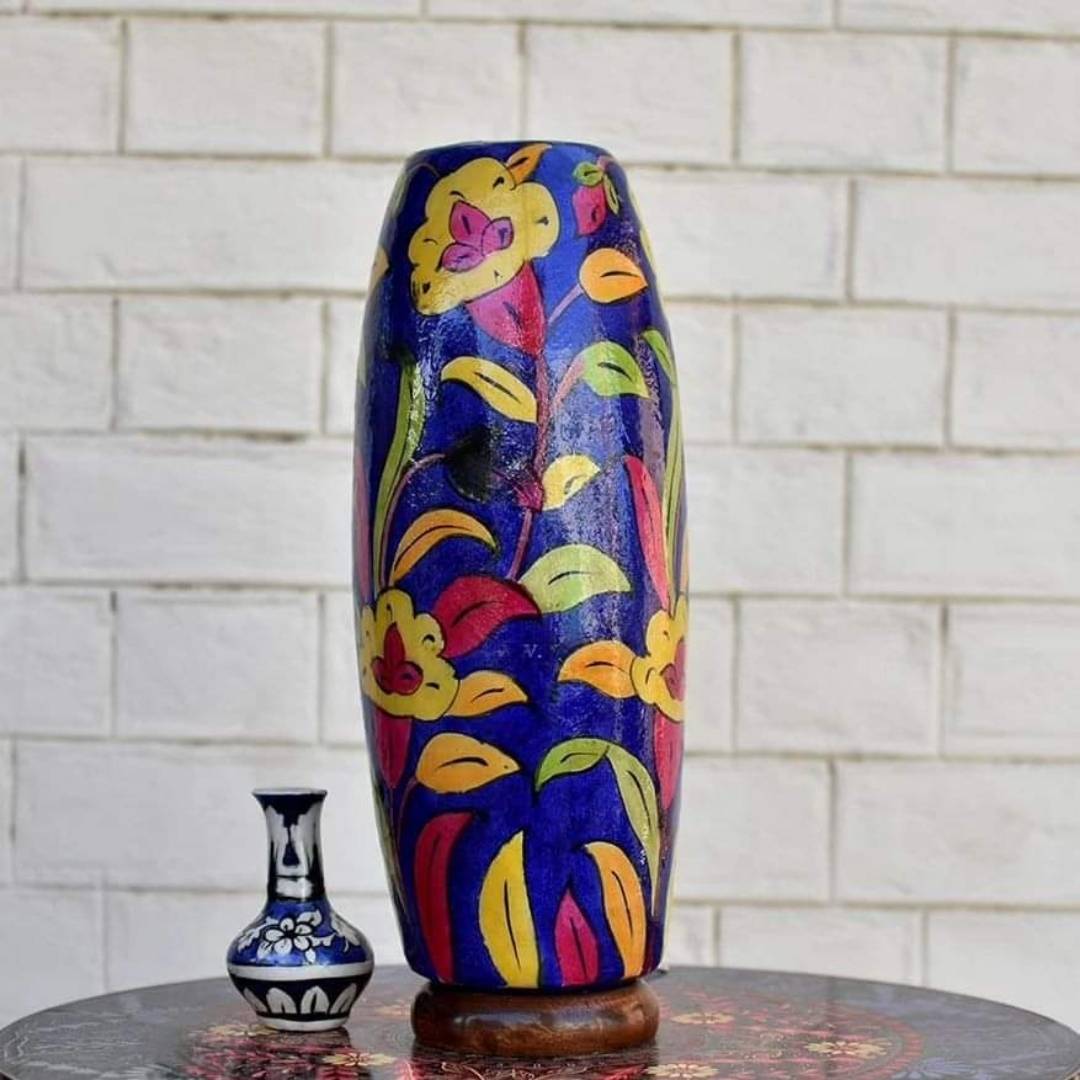
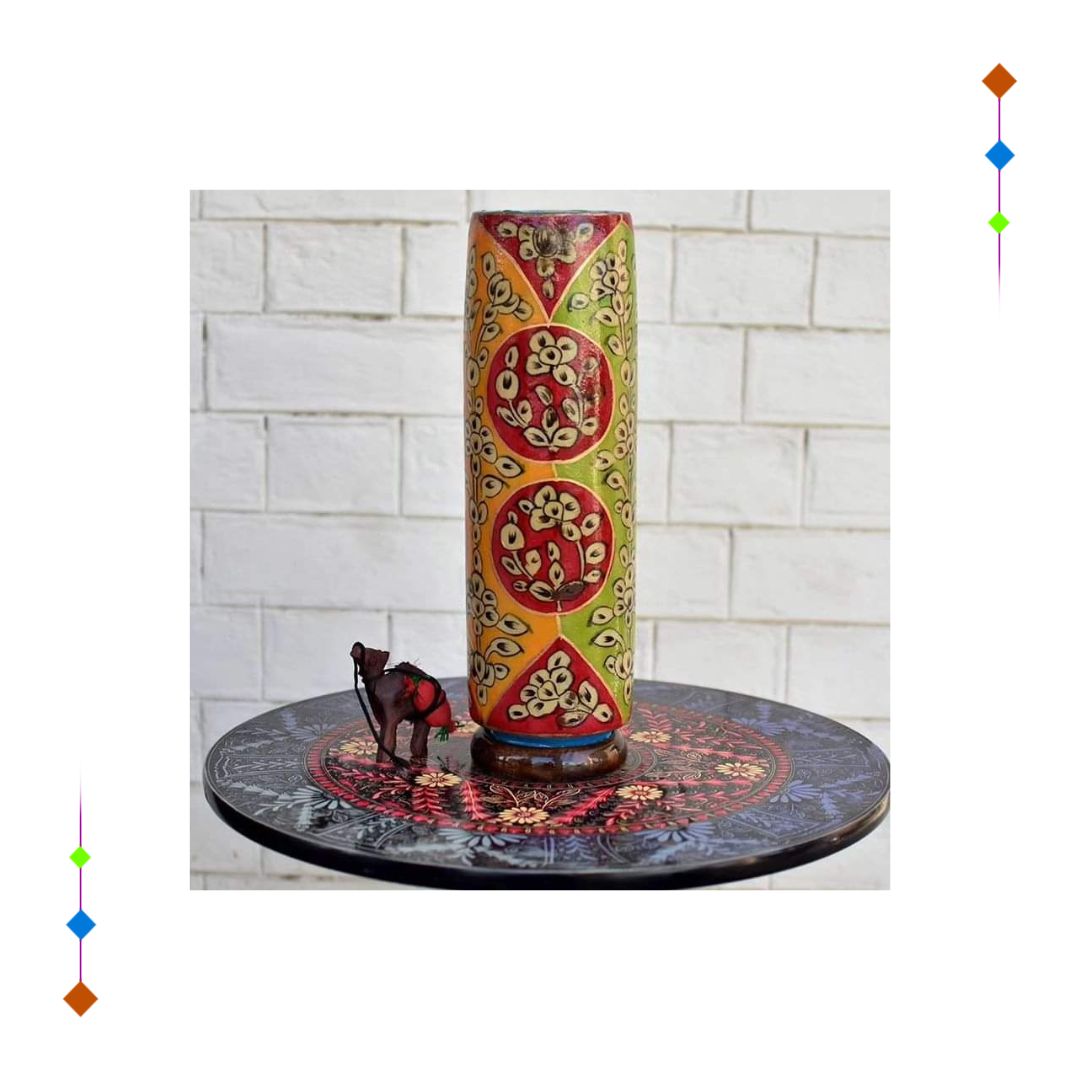
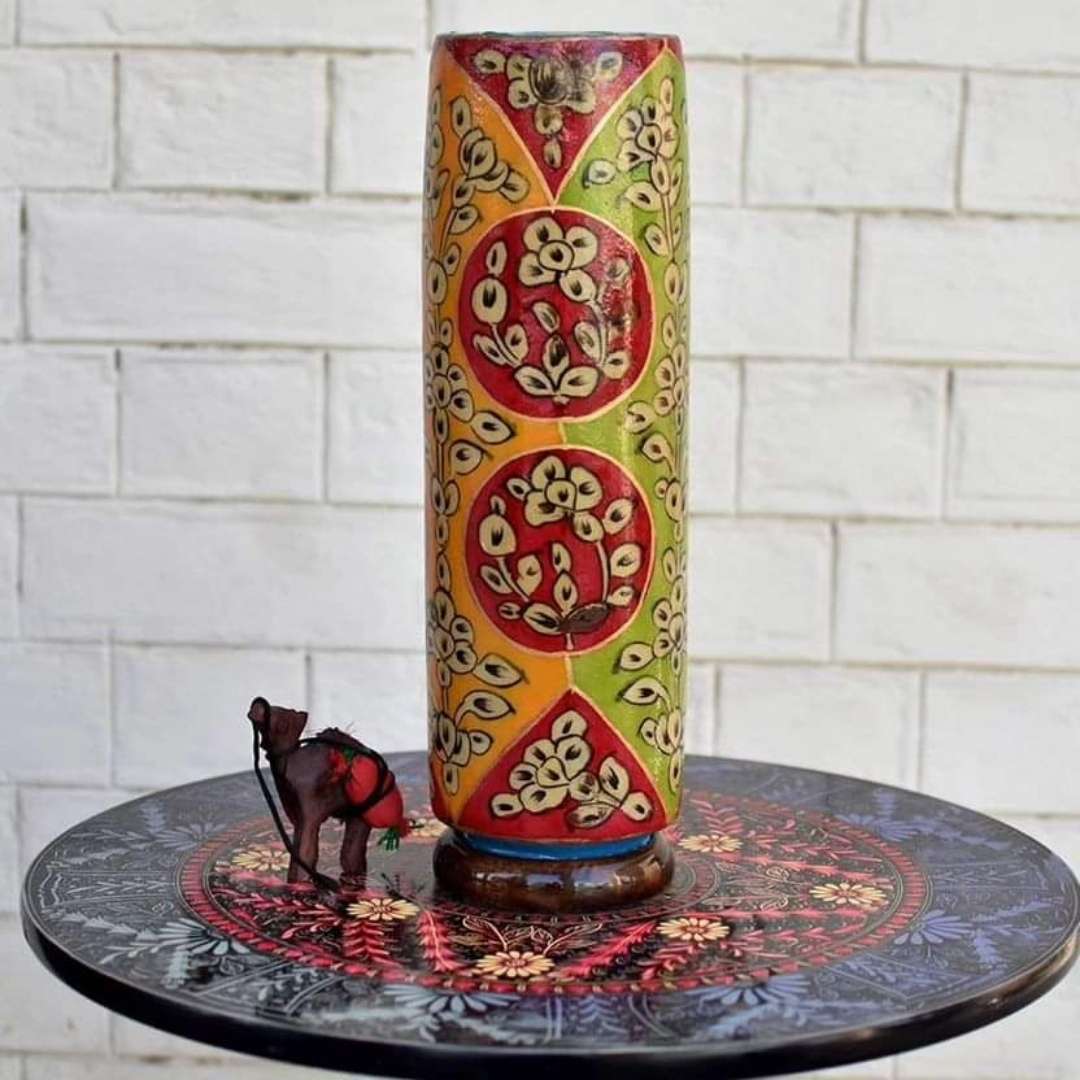
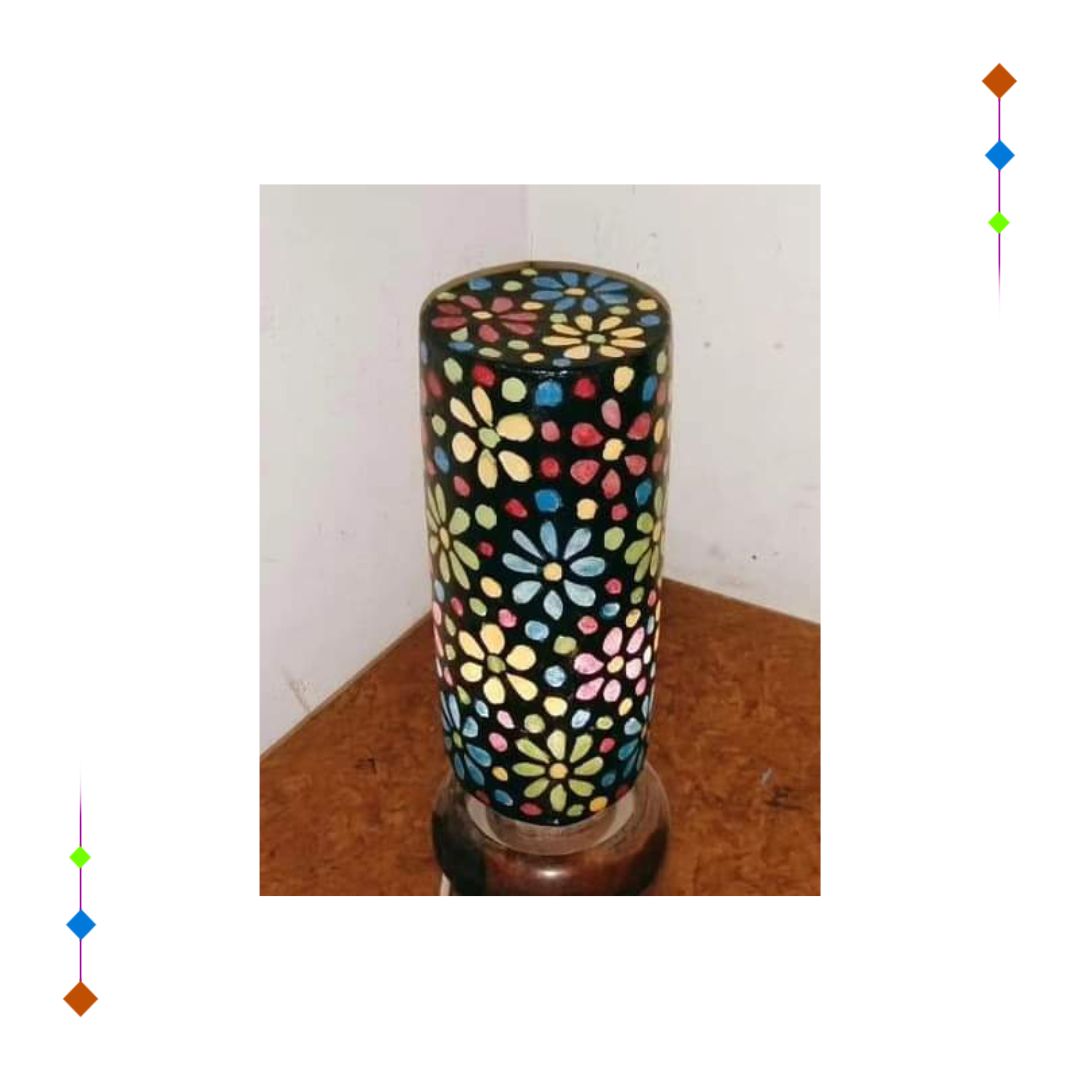
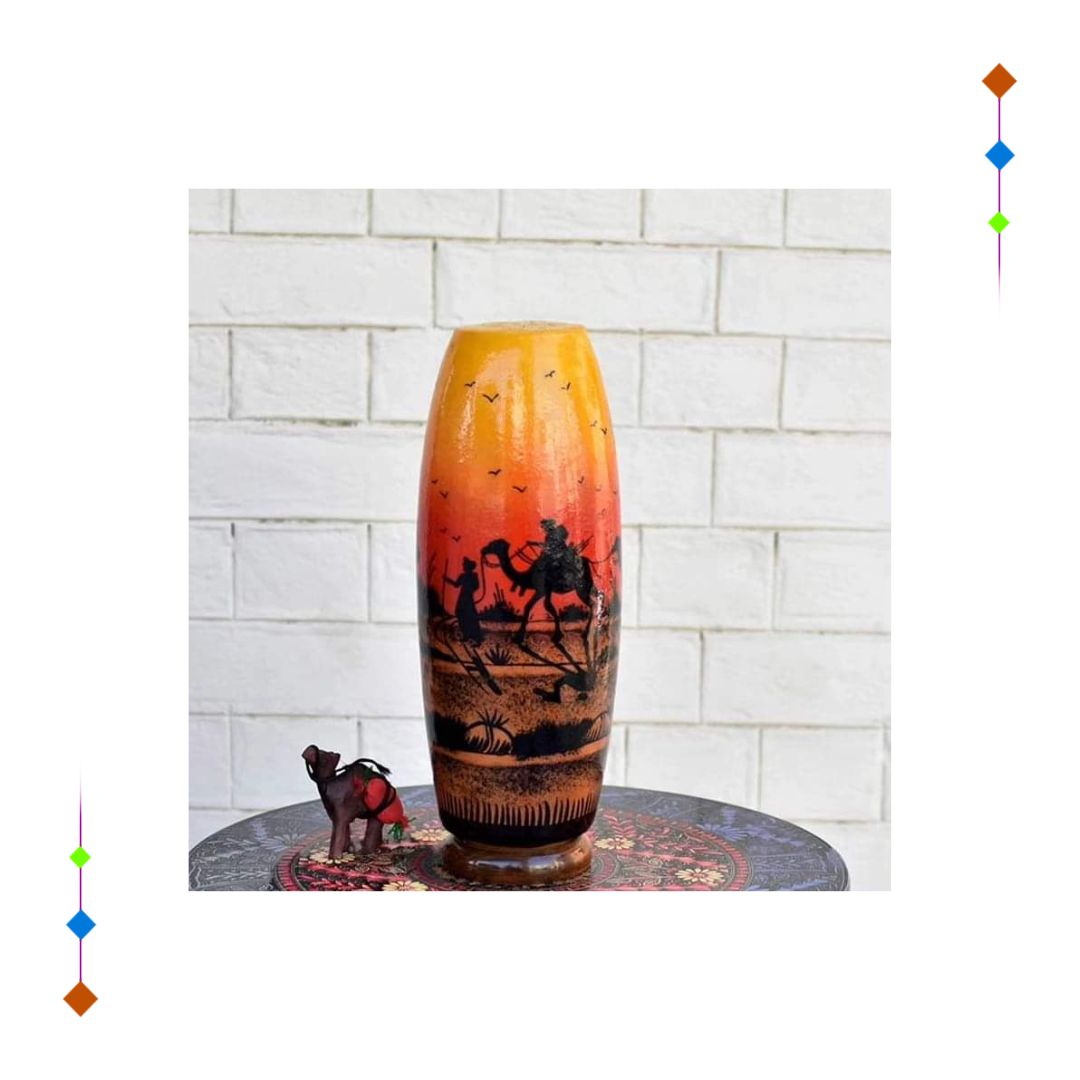
8. Camel Skin Lamps
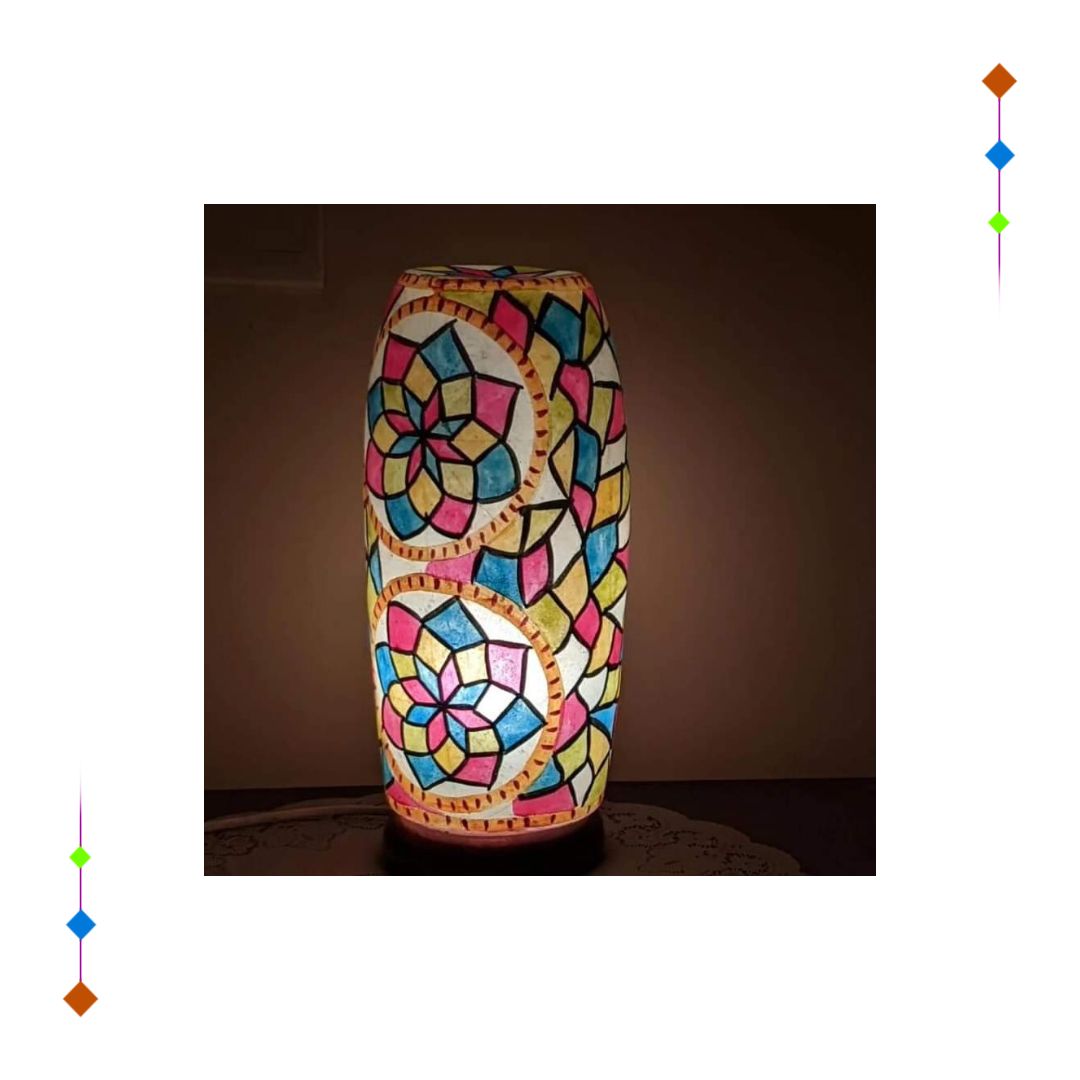
Multan is famous for camel skin lamps. Artists stretch cleaned camel skin on a frame, paint pretty motifs, and let it dry. When you switch it on, the lamp gives a soft, warm glow.


Cultural Significance
Handicrafts are more than pretty things. They carry our stories and values. Giving ajrak in Sindh means respect for a guest. A phulkari dupatta at a wedding shows joy and prayer for a happy life. A warm Kashmiri shawl feels like care from family.
These crafts appear at Eid, mehndi, and other special days, so they live in our memories. Ustads teach children, so each skill travels from one generation to the next. Different styles from Sindh, Punjab, Khyber Pakhtunkhwa, Balochistan, Gilgit-Baltistan, and Azad Kashmir come together as one Pakistan. When we choose handmade, we honour our roots and give rozi to our own people.
Blending Tradition with Modern Trends
Our old crafts fit easily into a new life. Young designers and ustads work together to make fresh, everyday pieces.
- Ajrak hoodies, tote bags, and bedsheets for daily use
- Khussa with jeans or school uniforms
- Truck art on phone covers, notebooks, and helmets
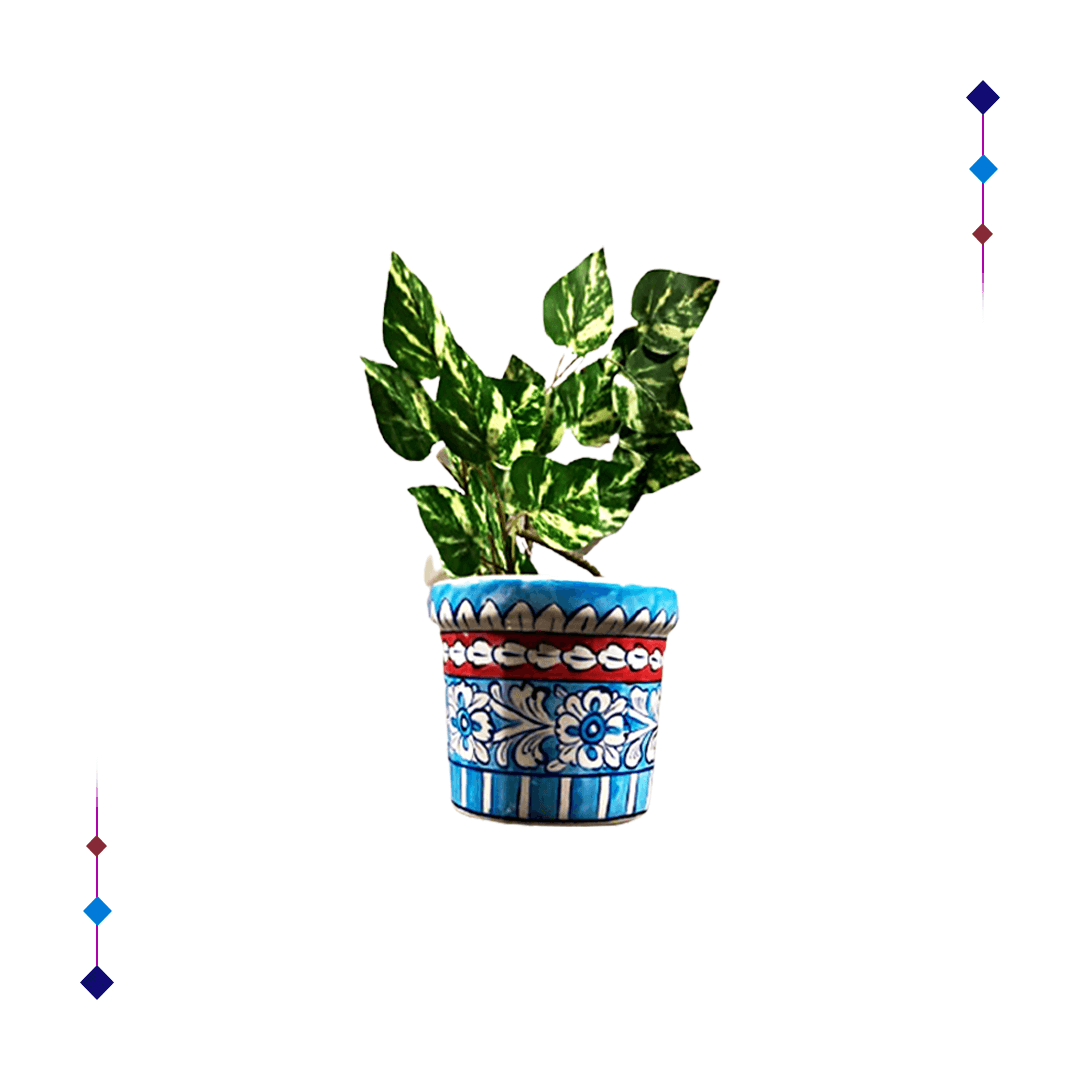
- Blue pottery mugs, coasters, and plant pots
- Camel skin lamps with safe LED lights
- Brass trays and bowls are used in cafes and homes
- Chinioti wood designs as wall art and clock frames
Shops and pages online help makers reach buyers across Pakistan. People can ask for custom colours and sizes. These handmade items last long, feel special, and are good for nature because they are not thrown away quickly. What this really means is our tradition stays alive, looks cool, and fits our world today.
Where to Buy Authentic Pakistani Handicrafts
Here’s the simple guide. Shop online if you want easy delivery. Visit markets if you love the feel of a busy bazaar.
Online Shops
- ArtCraft.pk – wide range of blue pottery, truck art, textiles, and more, shipped across Pakistan.
- Pakistan Arts and Crafts Village – a marketplace that connects you directly with artisans from many regions.
- Tali Karachi – a local craft store with an online catalog; handmade, sustainable designs.
- Indus Crafts Foundation (ICF) – an NGO platform selling craft made by trained village makers.
Markets and Museum Shops
- Anarkali Bazaar, Lahore – famous for textiles, jewelry, and handicrafts in New Anarkali.
- Lok Virsa Museum Shop, Islamabad – curated crafts from across Pakistan, next to the Heritage Museum.
- Zainab Market (Saddar) Karachi – go-to spot for souvenirs and handicrafts like wood, copper, and marble work.
- Art & Craft Village, Shakarparian (Islamabad) – artisan stalls and events; check what’s running before you go.
Quick Buying Tips
- Ask who made it and what materials were used.
- Prefer fair prices over “very cheap.” It supports the ustad and the craft.
- For gifts, museum shops and trusted platforms are safest.
If you want, tell me your city and I’ll suggest nearby spots.
Conclusion
Our crafts are our pride. When you buy handmade, you keep these skills alive and put rozi on our makers’ tables. If you want a safe, simple place to shop from home, go to ArtCraft.pk.
You’ll find Ajrak, blue pottery, woodwork, jewelry, and more from real artisans. Clear photos, easy ordering, and careful packing. What this really means is your home looks beautiful, and our artists keep creating.