Handicrafts Exports from Pakistan
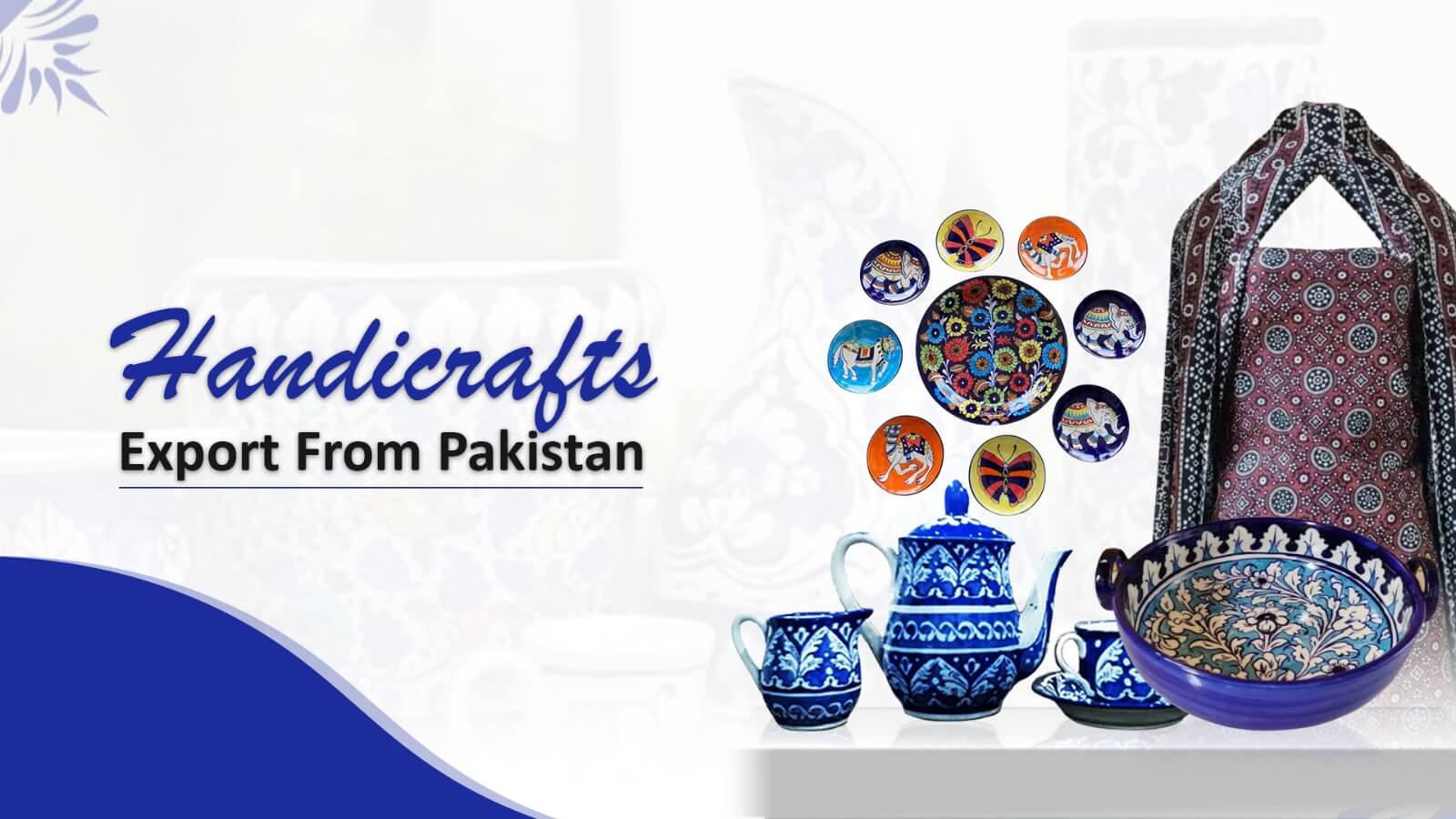
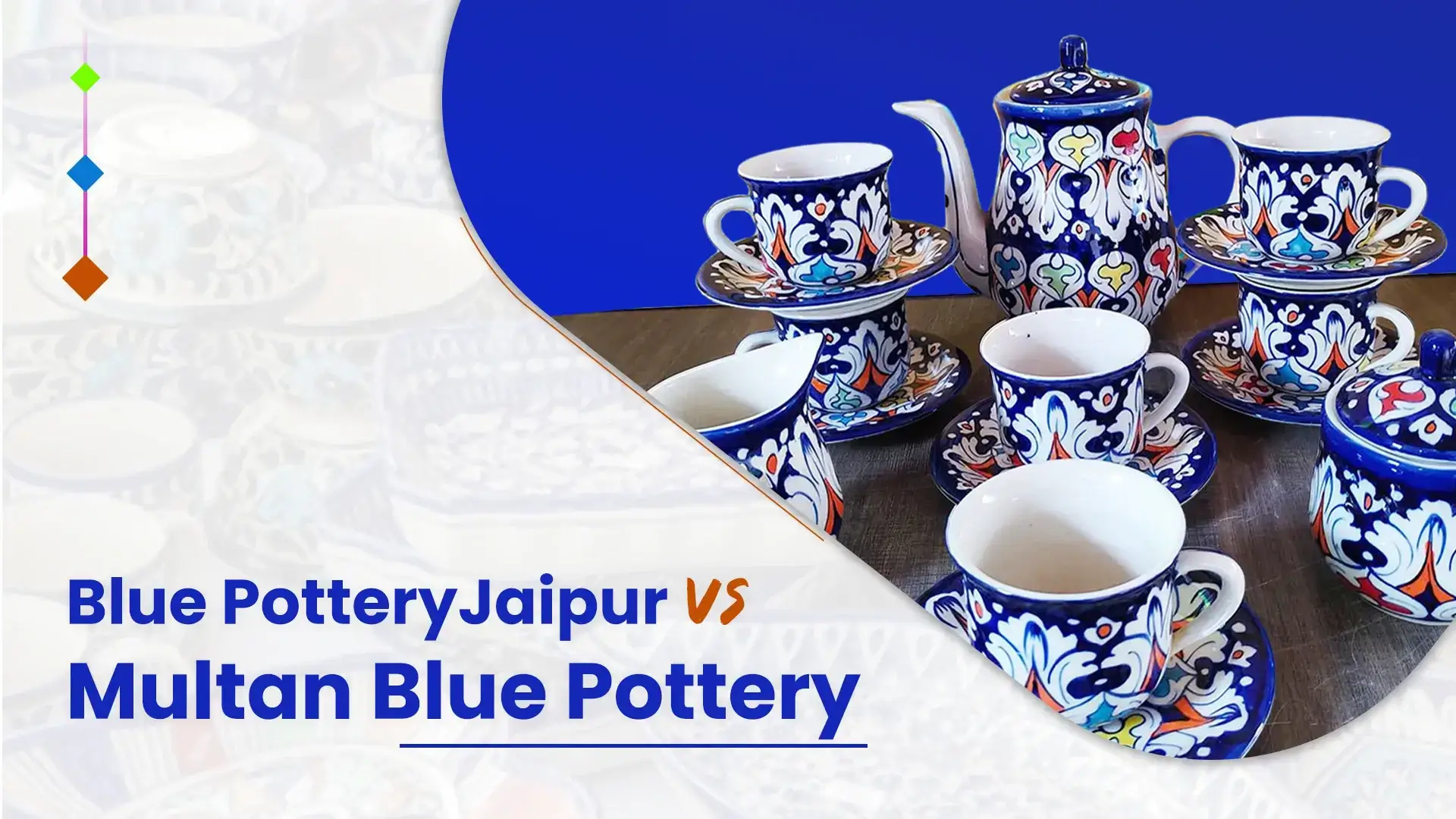
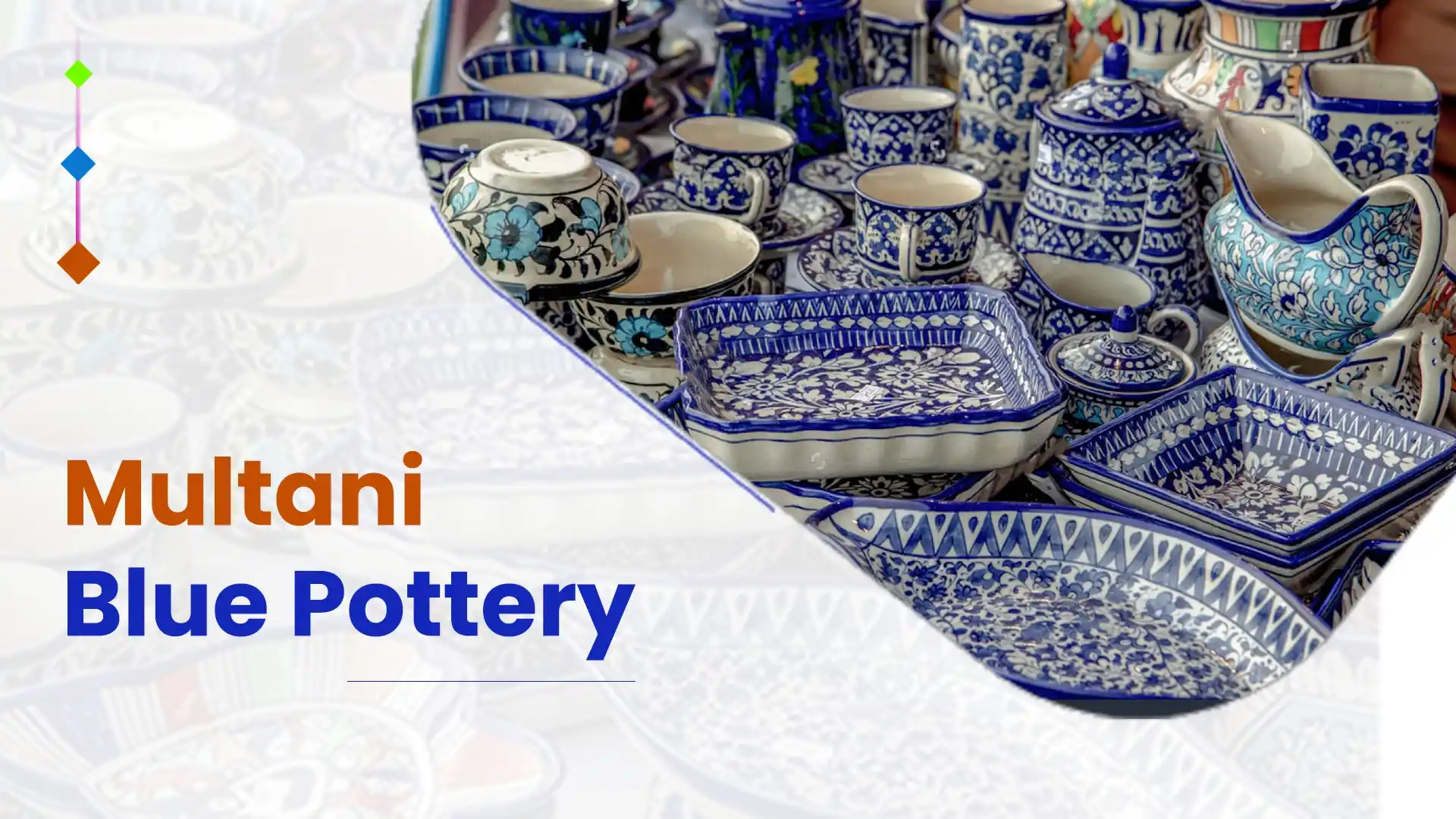
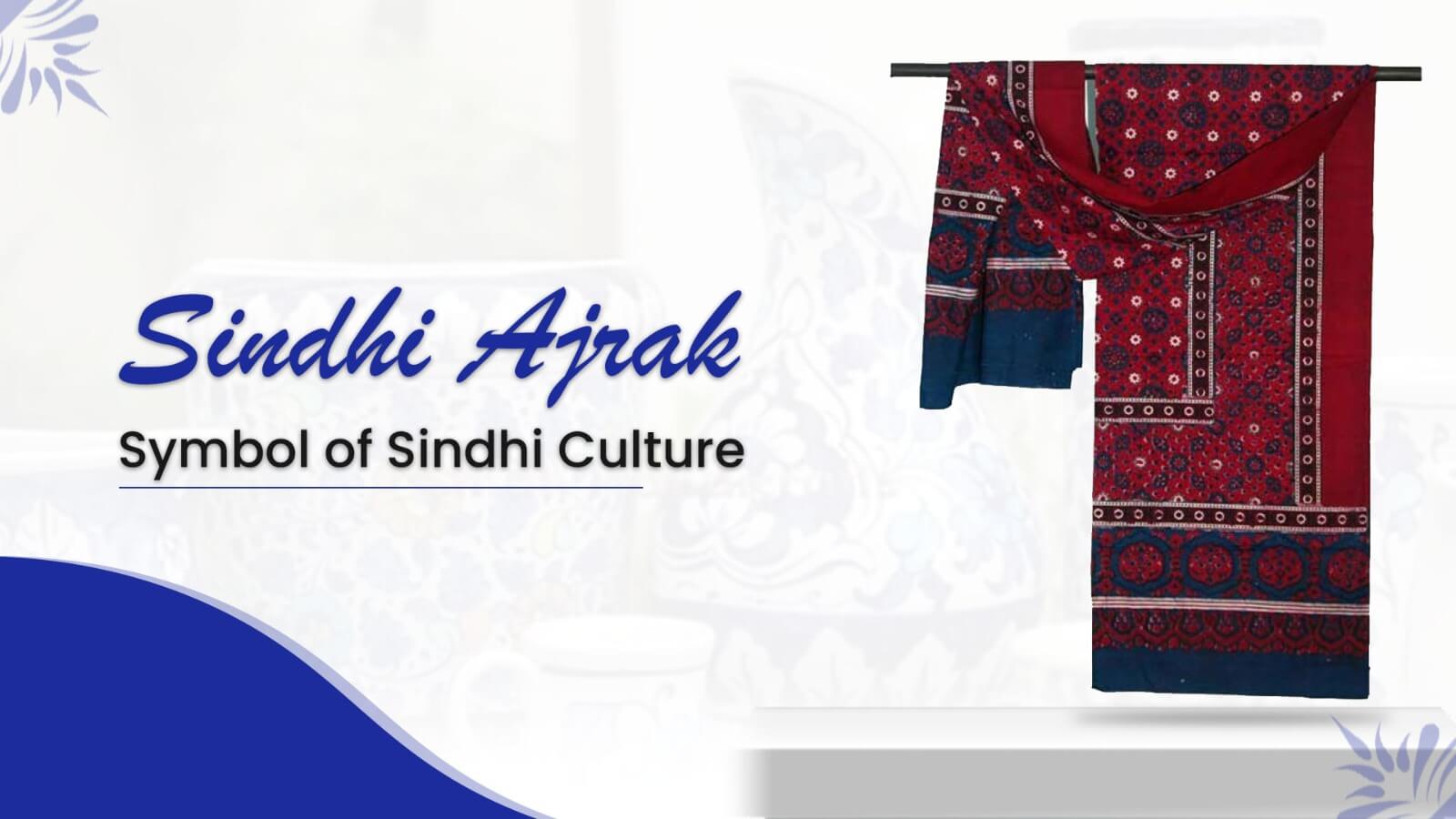
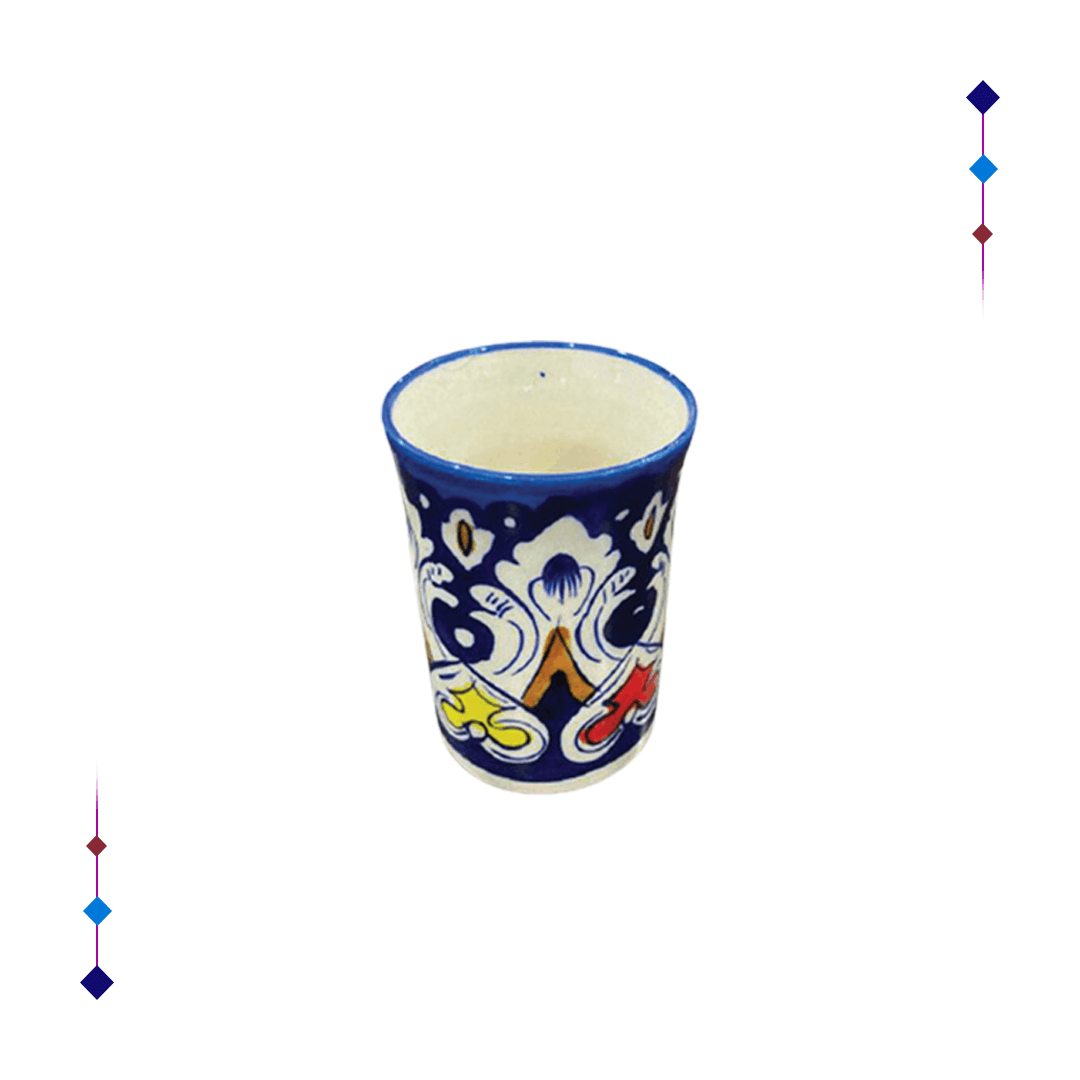
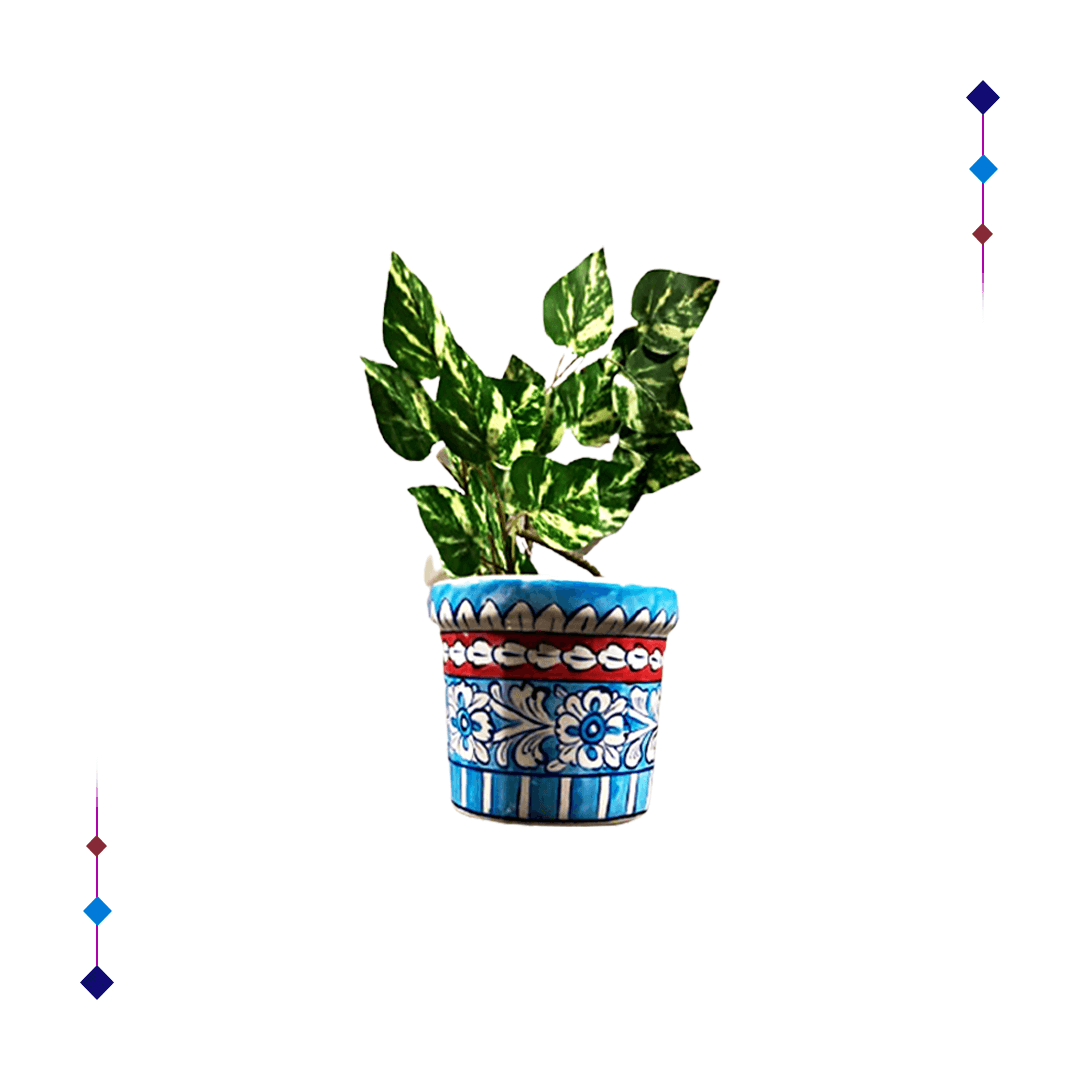
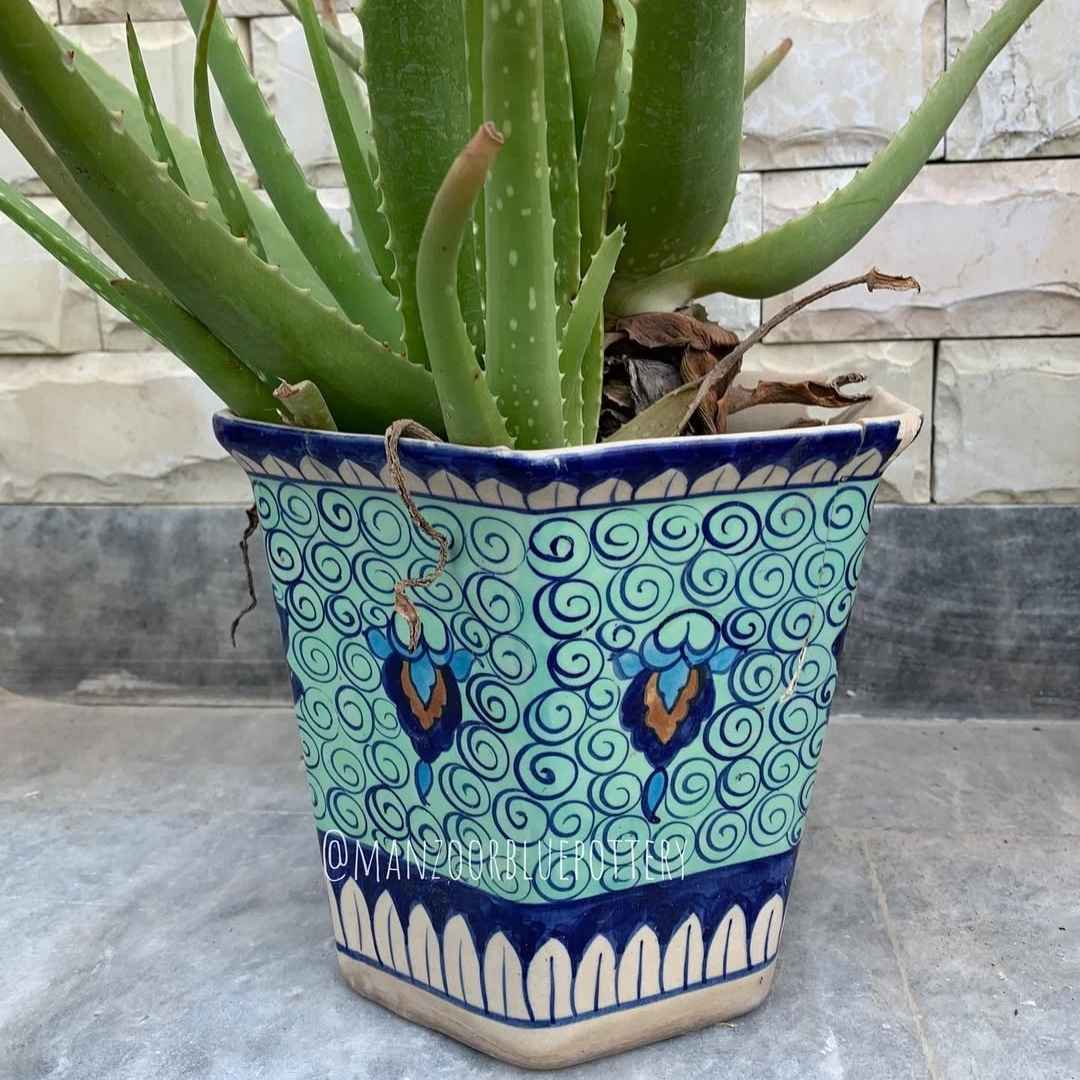
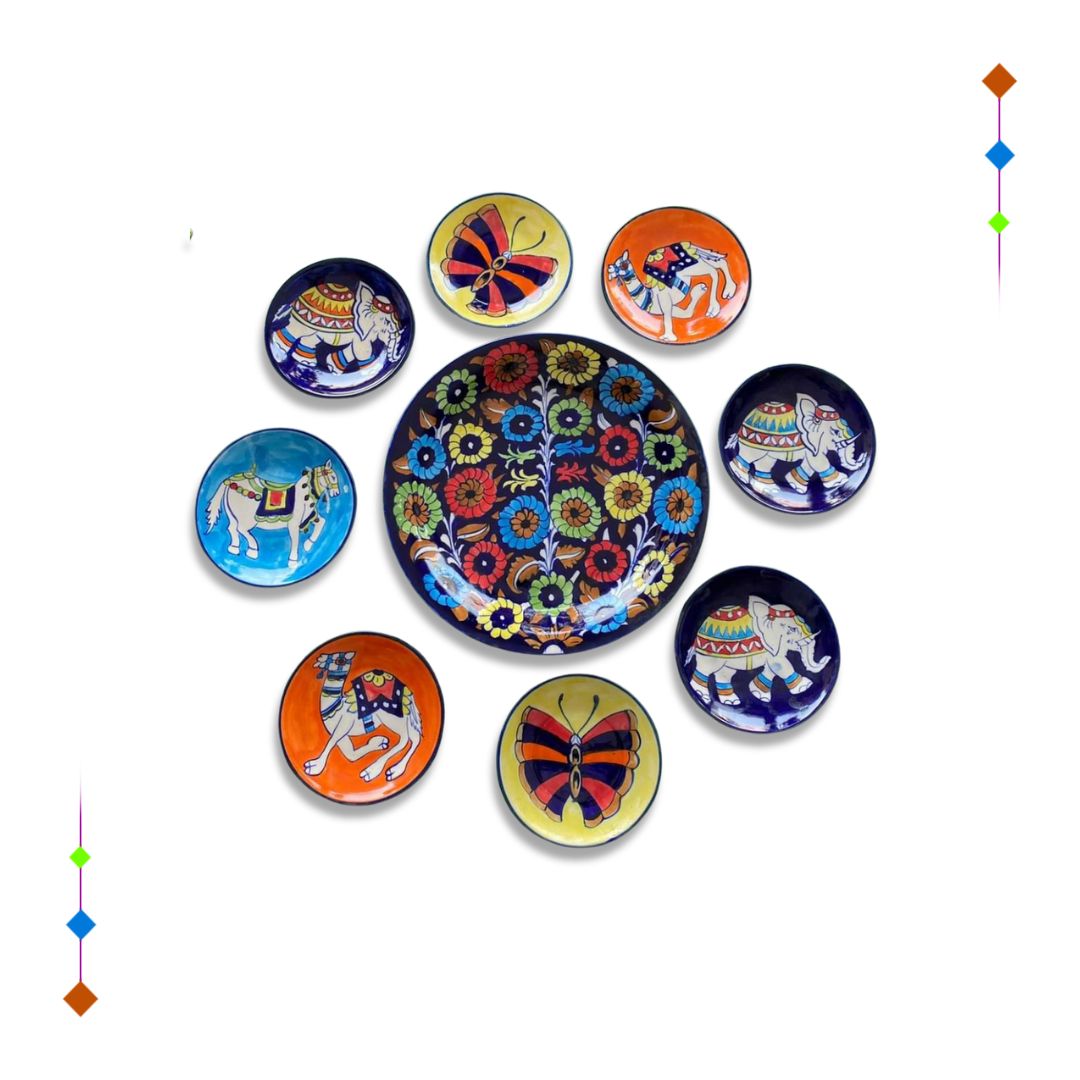
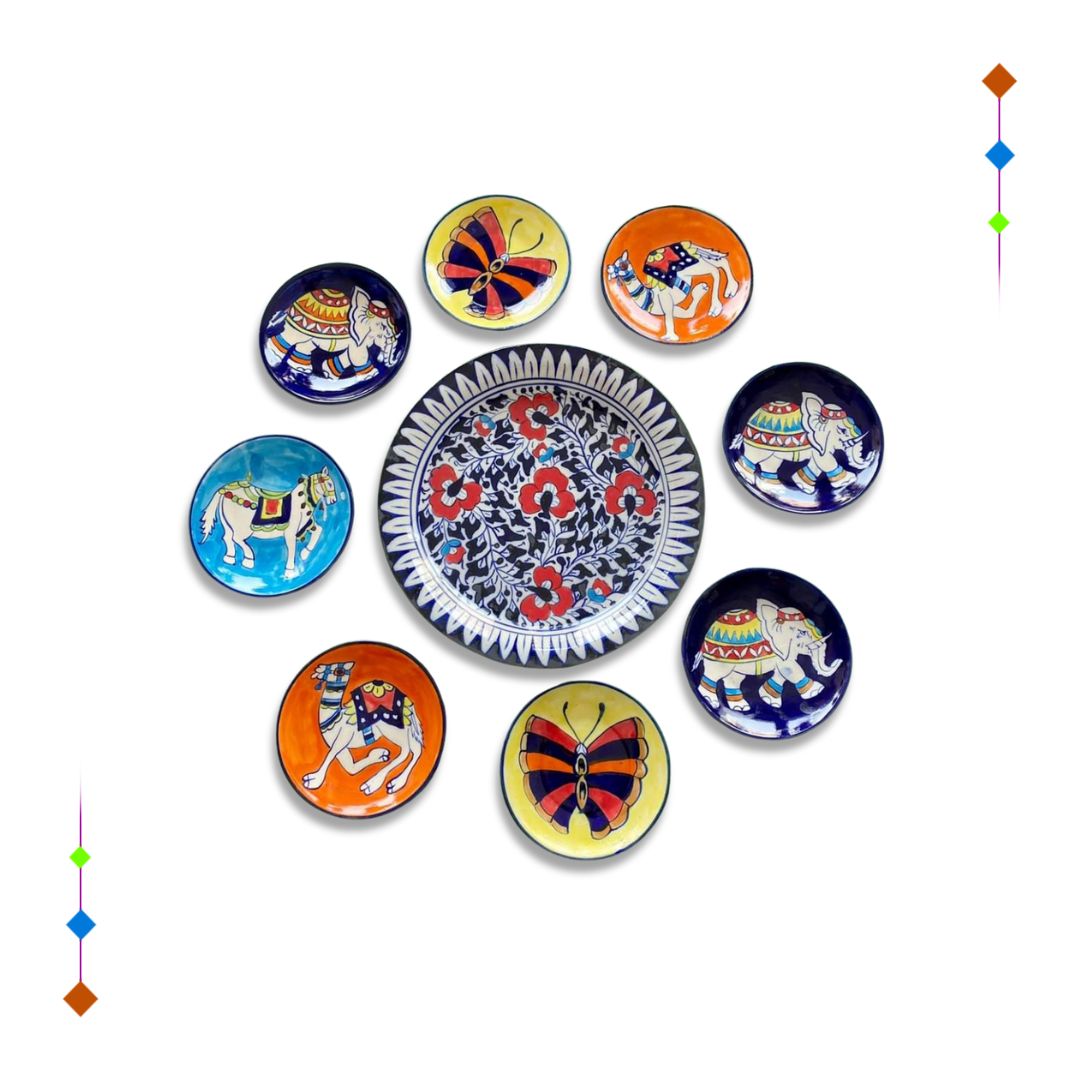
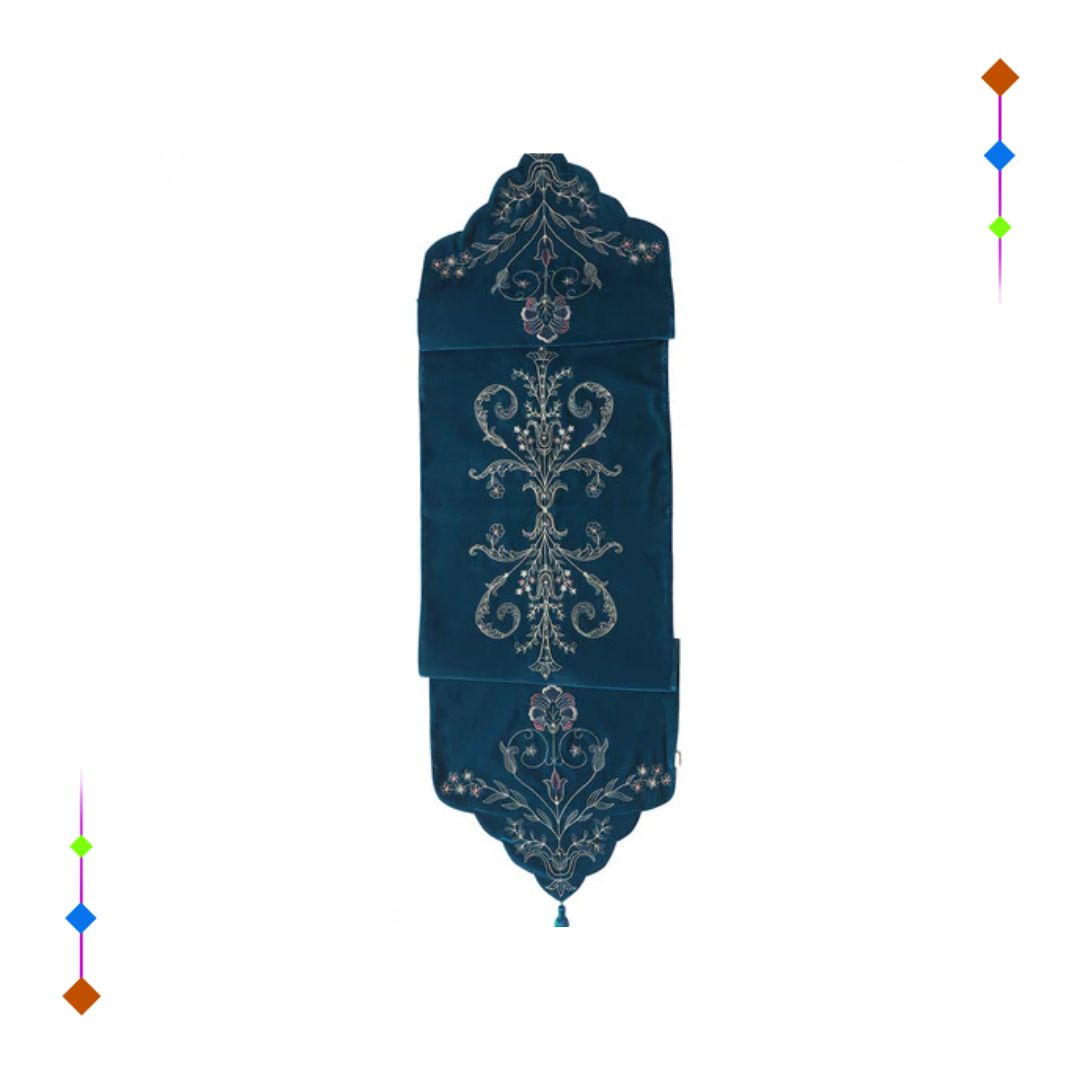
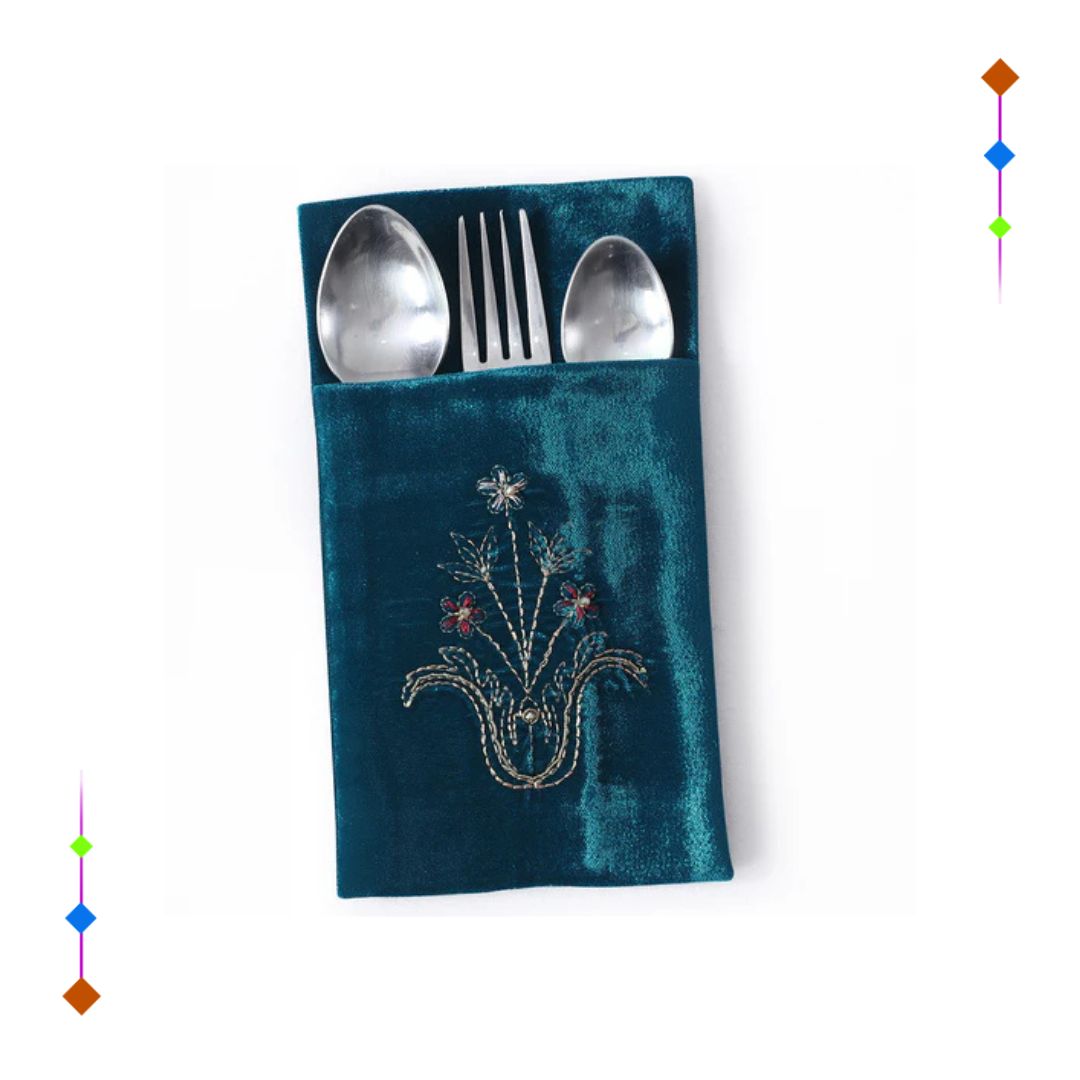
Pakistan’s crafts have heart. Wood carved by hand in Chiniot and Swat. Blue pottery painted in Multan. Fine rugs, brass work, embroidered textiles, and camel-skin lamps that glow like sunset. These are not factory copies. They are stories you can hold.
Buyers from different parts of the world want real things made by real hands, not machines. And that’s why Pakistani handicrafts are gaining popularity in boutique stores, online platforms, and even design catalogs. The demand is very high, and new artists can now easily reach buyers worldwide with a huge budget.
This guide is your start. We will talk about why the world wants these precious items, steps to export them from Pakistan, the habits that make the orders come, the problems you might face, and how to solve them. Let’s begin.
Why Pakistani Handicrafts Are in Global Demand?
People want real things, made by real hands. Pakistani crafts give that.
- Unique look: Each piece is a little different. Hand paint, hand weave, hand carve. No copy-paste feel.
- Strong craft roots: Cities like Multan, Chiniot, Swat, Sindh, and Balochistan have long craft history. Skill passes from family to family.
- Natural materials: Wood, clay, cotton, wool, brass, leather. They feel warm and safe at home.
- Good value: Fine work at fair prices, so small shops and big stores both can buy.
- Story and culture: Colors, patterns, and motifs carry meaning. Buyers love the story card that comes with the item.
- Eco-friendly options: Many makers use plant dyes, recycled glass, and low-waste methods.
- Custom orders: Small batches and custom sizes or colors are possible. Easy to match a buyer’s style.
- Easy to find online: Platforms and social media help makers reach buyers in the US, EU, UK, GCC, and beyond. Diaspora buyers also boost demand.
How to Export Handicrafts from Pakistan?
1. Choose your product and Niche
Pick 1–2 craft lines to start (for example: blue pottery bowls, wood trays). Make small sample sets.
2. Test the Market
Show samples to real buyers: local shops, export agents, or online buyers. Note what they like: sizes, colors, and target price.
3. Set up your Business
Register a simple company, get a tax number, and open a business bank account. Keep all bills and records safe and secure.
4. Price it Right
Add all costs: making, packing, boxes, labels, transport, and a fair profit. Decide terms like EXW, FOB, or CIF in simple words with the buyer.
5. Sort Basic Compliance
Use safe dyes for textiles, safe polish for wood, and strong, clean materials. Add care labels and “made in Pakistan” labels. Avoid banned woods or animal parts.
6. Prepare Export Documents
You will need a commercial invoice, packing list, and a certificate of origin. For shipping, you’ll use an air waybill (air) or a bill of lading (sea). Keep copies.
7. Pick your Shipping Method
· Small, light, high-value items → courier (fast, costly).
· Bigger or heavy orders → air or sea freight (use a freight forwarder). Pack well to prevent breakage.
8. Ship and Track
Book the pickup, share tracking, and send clear photos of the packed goods. Tell the buyer the ETA.
9. Customs on the Buyer Side
Share all documents early so the buyer can clear the goods fast. Answer emails quickly if customs ask something.
10. After-Sales Care
If a piece breaks, replace or refund fast. Ask for a short review and the next order plan. Keep a simple CRM sheet for contacts and notes.
11. Grow slowly and Steady
Add one new SKU at a time, keep quality tight, and build a small network of artisan partners so you can scale when orders rise.
Best Practices for Success in the Handicraft Export Business
If you’re interested in the export of handicraft items from Pakistan, following these practical and proven practices can benefit you in the long run.
- Make Samples: Branding is necessary, and letting the world know about your business is an important part of growing. Make a clear sample work to showcase your talent, finishing, and other aspects of the item. Write notes to avoid guessing.
- Online Presence: You must be present where your audience is, and they are mostly online. You must have a professional website and a strong social media presence so that your buyers can easily reach you.
- Trade Fairs: Never miss an opportunity to attend the trade fairs. Participation in exhibitions and international handicraft expos can make a real difference in attracting buyers.
Challenges & Tips to Overcome
Exporting crafts is doable, but small problems can slow you down. Plan for them early, and you’ll ship on time, get paid, and keep buyers happy.
Common Challenges:
- Language barriers
- International payment issues
- Documentation and legal problems
- Custom holds
Pro Tips to Beat Them:
- Hire an expert consultant
- Document checklist
- Buffer time
- Stay updated with export laws in Pakistan
- Use B2C platforms like Alibara or ExportHub
Interesting to export Pakistani handicraft items like blue pottery, Multani art, or traditional handmade products from Pakistan? Explore global opportunities and grow your export business today!



Frequently Asked Questions (FAQ’s)
Conclusion
Pakistan’s crafts have real power: skill, story, and value. Start small, choose a clear product, and set simple rules for quality, packing, and time. Lock your samples, price with care, and use the right documents.
Work with a good forwarder, answer buyers fast, and keep notes on what went right and what broke. Fix one thing each shipment, and you’ll get better every month. Do this, and your handicraft shop can grow from a local workshop to a trusted name on global shelves.
Check Also: Top Trending Handmade Items.