How to Identify Real Pashmina: 7 Simple Tests Before You Buy
Quick answer: real pashmina feels very soft, warm and slightly matte, never slippery or shiny. It does not crackle with static, a loose thread burns slowly and smells like burnt hair, and a hand-woven shawl shows tiny irregularities in the weave. Genuine pure pashmina is also never cheap. Use the tests below before you buy.
What Is Real Pashmina?
Pashmina is the fine undercoat of goats raised in the high, cold Himalayan regions. The fibres are much finer than ordinary sheep wool, so a real pashmina shawl is light and soft yet very warm. Each goat produces only a small amount of fibre a year, and spinning and weaving it takes skill and time, which is why pure pashmina costs far more than ordinary wool or synthetic shawls.
Because the name sells, many shawls labelled “pashmina” are actually blends or imitations made from viscose, acrylic or cheaper wool. Here is how to tell the difference.
7 Ways to Identify Real Pashmina
1. The touch test
Rub the shawl between your fingers. Real pashmina feels warm, soft and slightly fuzzy with a matte finish. Imitations made of viscose or acrylic feel smooth, cool or slippery and often look shiny.
2. The warmth test
Hold the shawl against your skin for a minute. Pure pashmina quickly feels warm despite being thin and light. Synthetic shawls stay cool for longer.
3. The static test
Rub a corner of the shawl quickly. Synthetic fibres build static and may crackle or cling. Pure pashmina, like other natural wool, produces little or no static.
4. The burn test
Ask the seller for a loose thread from the fringe, or pull one carefully, and burn it with a match away from the shawl. Real pashmina burns slowly, smells like burnt hair and leaves a fine ash that crumbles. Acrylic and polyester melt into a hard bead and smell like plastic. Do this only on a single thread.
5. The weave test
Hold the shawl up to the light. A hand-woven shawl shows small irregularities and a slightly uneven weave. A perfectly uniform, machine-perfect weave usually means a factory-made fabric.
6. The label test
Read the label carefully. “Pashmina silk” or “70/30” means a pashmina-silk blend, which is lighter and cheaper than pure pashmina. Only “100% pashmina” means pure.
7. The price test
Genuine pure pashmina is a premium fabric. If a “pure pashmina” shawl is selling for the price of an ordinary woollen shawl, it is almost certainly a blend or an imitation.
Pure Pashmina vs Pashmina Blend vs Imitation
| Pure pashmina | Pashmina-silk blend | Viscose / acrylic | |
|---|---|---|---|
| Feel | Very soft, warm, matte | Soft with a light sheen | Smooth, slippery, shiny |
| Warmth | Very warm for its weight | Warm but lighter | Low |
| Static | Little or none | Little | Noticeable |
| Burn test | Smells like hair, fine ash | Mostly like hair | Melts, smells like plastic |
| Price | Premium | Mid-range | Cheap |
What About the Ring Test?
You may hear that a real pashmina can be pulled through a finger ring. Only very fine, lightweight shawls pass through a ring, and some thin synthetic scarves do too, so the ring test alone does not prove a shawl is pure pashmina. Combine it with the tests above.
How to Care for a Real Pashmina
- Dry clean pure pashmina rather than machine washing it.
- Store it folded in a cotton or muslin bag with cedar or neem to keep moths away.
- Air it out after wearing, and avoid spraying perfume directly onto the fibres.
- Remove small pills gently by hand; they are normal on natural wool.
Where to Buy Pure Pashmina in Pakistan
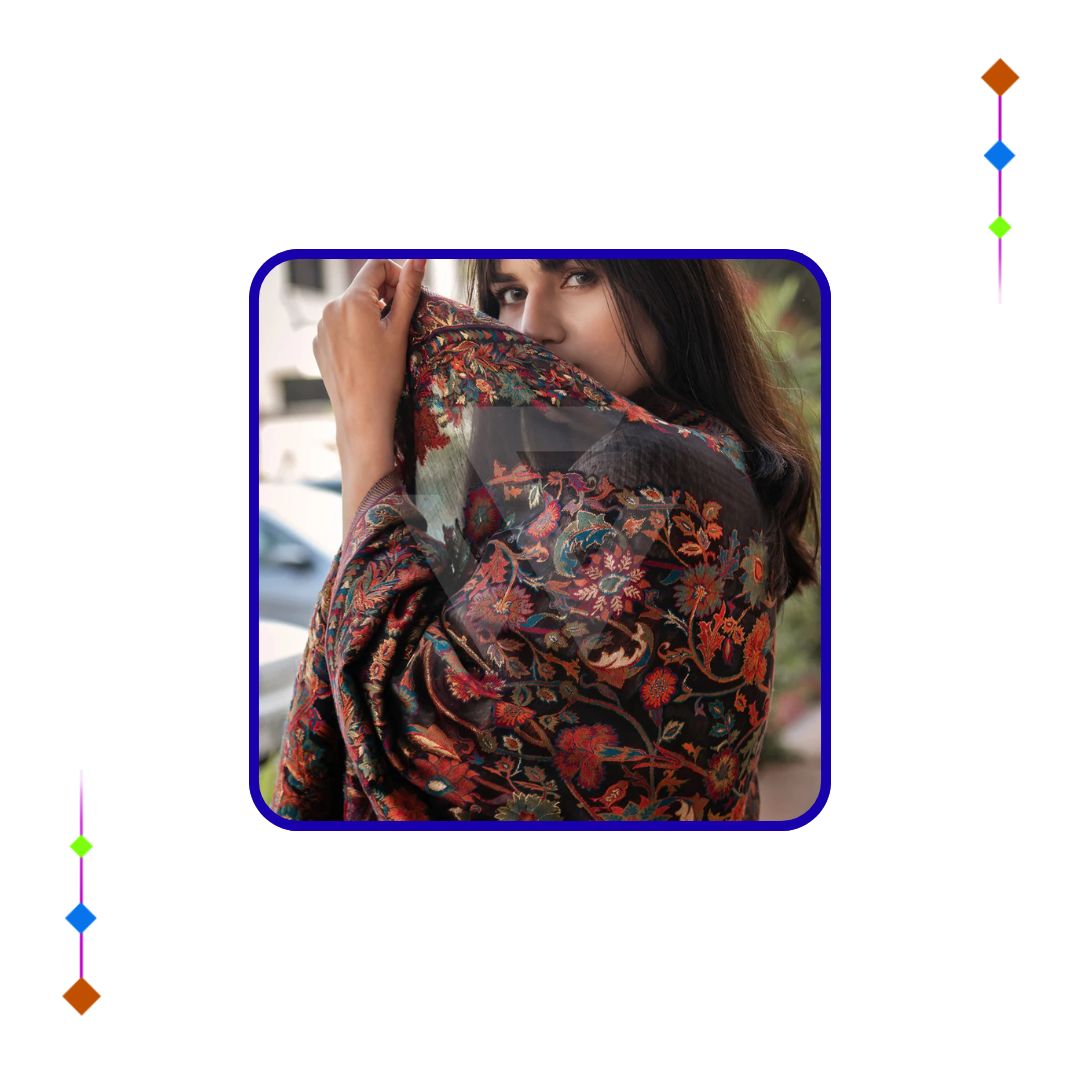
Artcraft offers a Pure Pashmina Shawl handwoven from 100% pashmina wool for Rs 16,799, with cash on delivery across Pakistan. See our pashmina shawls collection, or explore other traditional textiles such as Ajrak shawls and block print dupattas.
Frequently Asked Questions
How can I check if my pashmina is real at home?
Feel it for softness and a matte finish, rub it to check for static, and burn a single loose thread: real pashmina smells like burnt hair and leaves fine ash, while synthetics melt and smell like plastic.
Does real pashmina pass through a ring?
Very fine shawls can pass through a ring, but so can some thin synthetic scarves, so the ring test alone does not prove a shawl is pure pashmina.
What does pashmina silk mean?
Pashmina silk is a blend of pashmina and silk, often around 70/30. It is lighter, slightly shiny and cheaper than 100% pure pashmina.
Why is pure pashmina so expensive?
Pashmina comes from the fine undercoat of Himalayan goats, each of which produces only a small amount of fibre a year, and the yarn is spun and woven with great skill.
What is the price of a pure pashmina shawl in Pakistan?
At Artcraft, our handwoven 100% Pure Pashmina Shawl costs Rs 16,799, with cash on delivery across Pakistan.
How should I wash pashmina?
Dry clean pure pashmina and store it folded in a cotton bag with a natural moth repellent such as cedar or neem.