Blue Pottery Jaipur vs. Multan Blue Pottery: A Complete Comparison
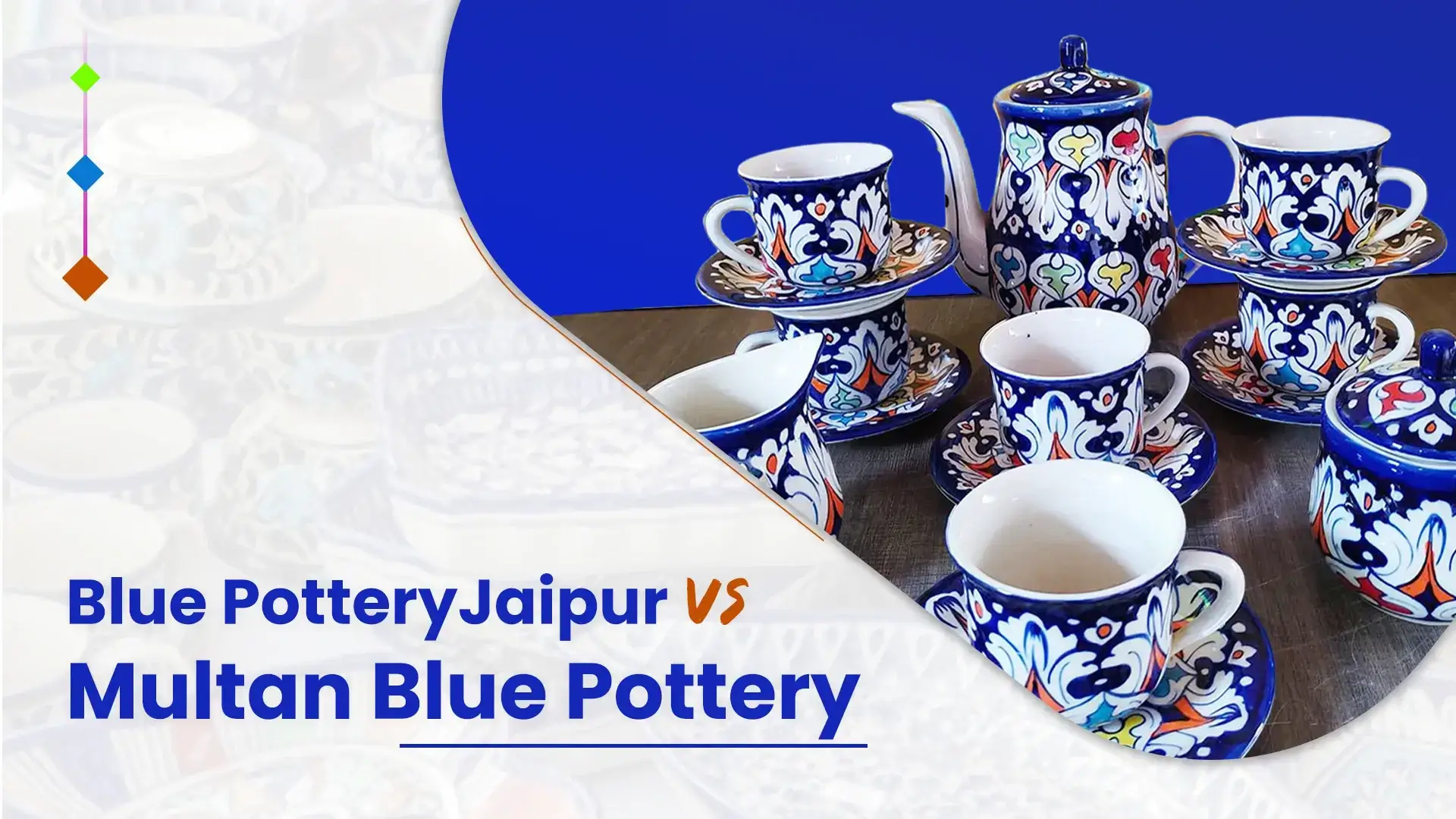
Blue pottery is a traditional craft in South Asia that has a great aesthetic value. It is particularly popular in such locations as Multan, Pakistan, and Jaipur, India. At the surface, they appear to be similar due to their Persian heritage. They produce, enhance, and employ this art in notably distinct manners, although upon closer inspection.
The Beginning of It All
Both Jaipur and Multan are known for the blue pottery handicraft, each with their own touch of history and unique style.
The Origin of Blue Pottery in Jaipur
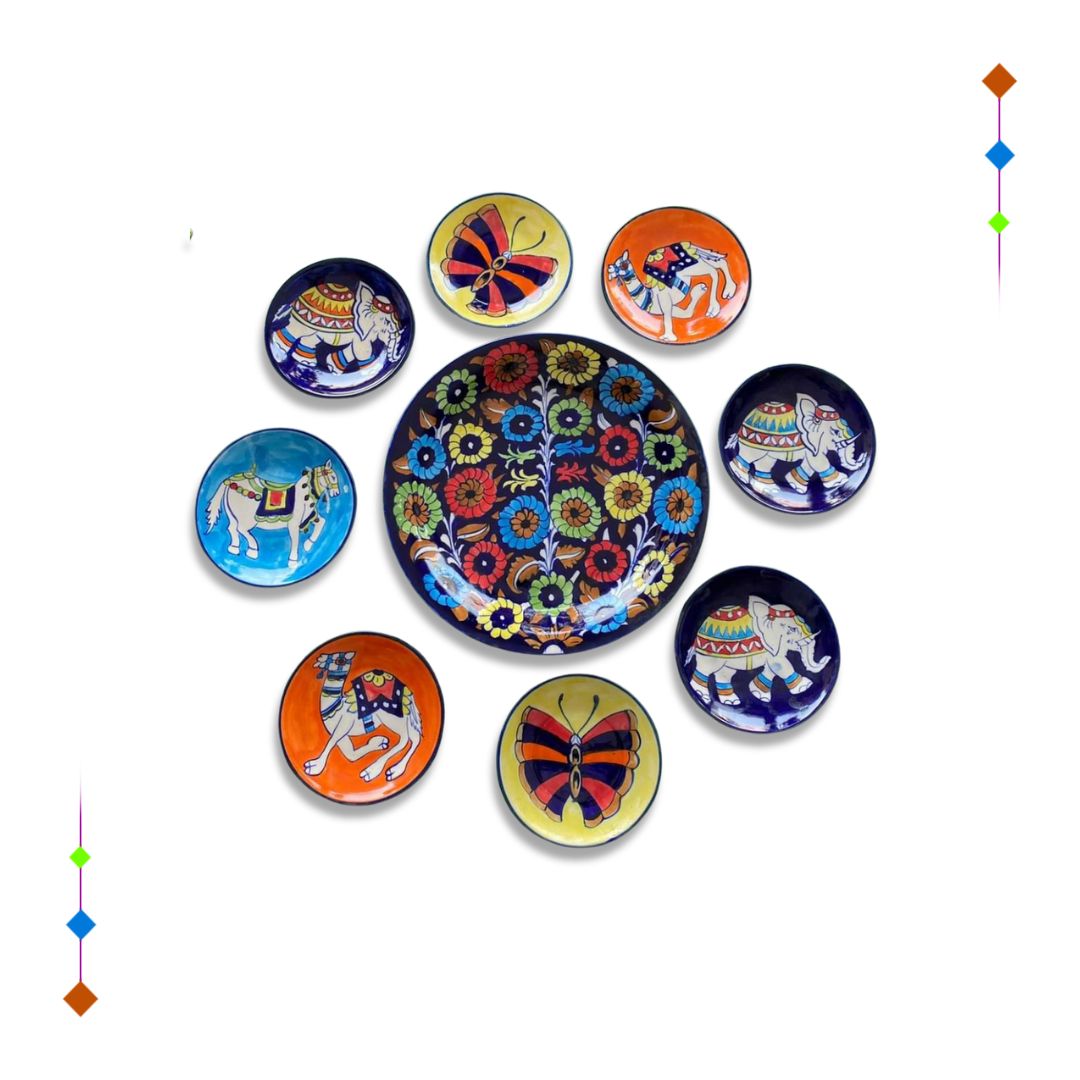
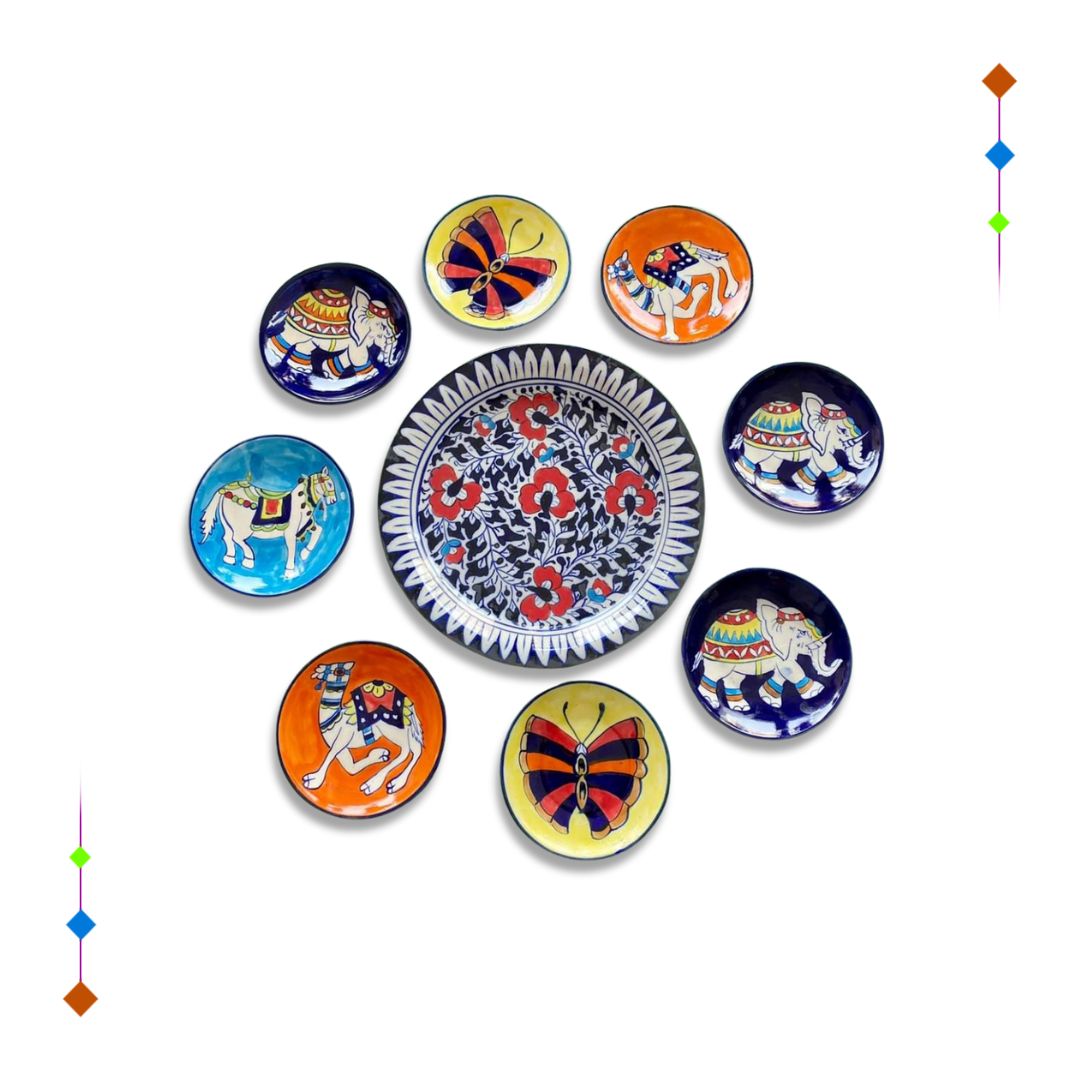
In Jaipur, blue pottery found its way in much later. It was not supported by regional leaders until the 1800s, even though it was invented in the Mughal period. Jaipur artists did not imitate the Persian style; they added Rajasthani vegetation and animals, and rich colours. Jaipur pottery is therefore ornamental due to this.
The Origin of Blue Pottery in Multan
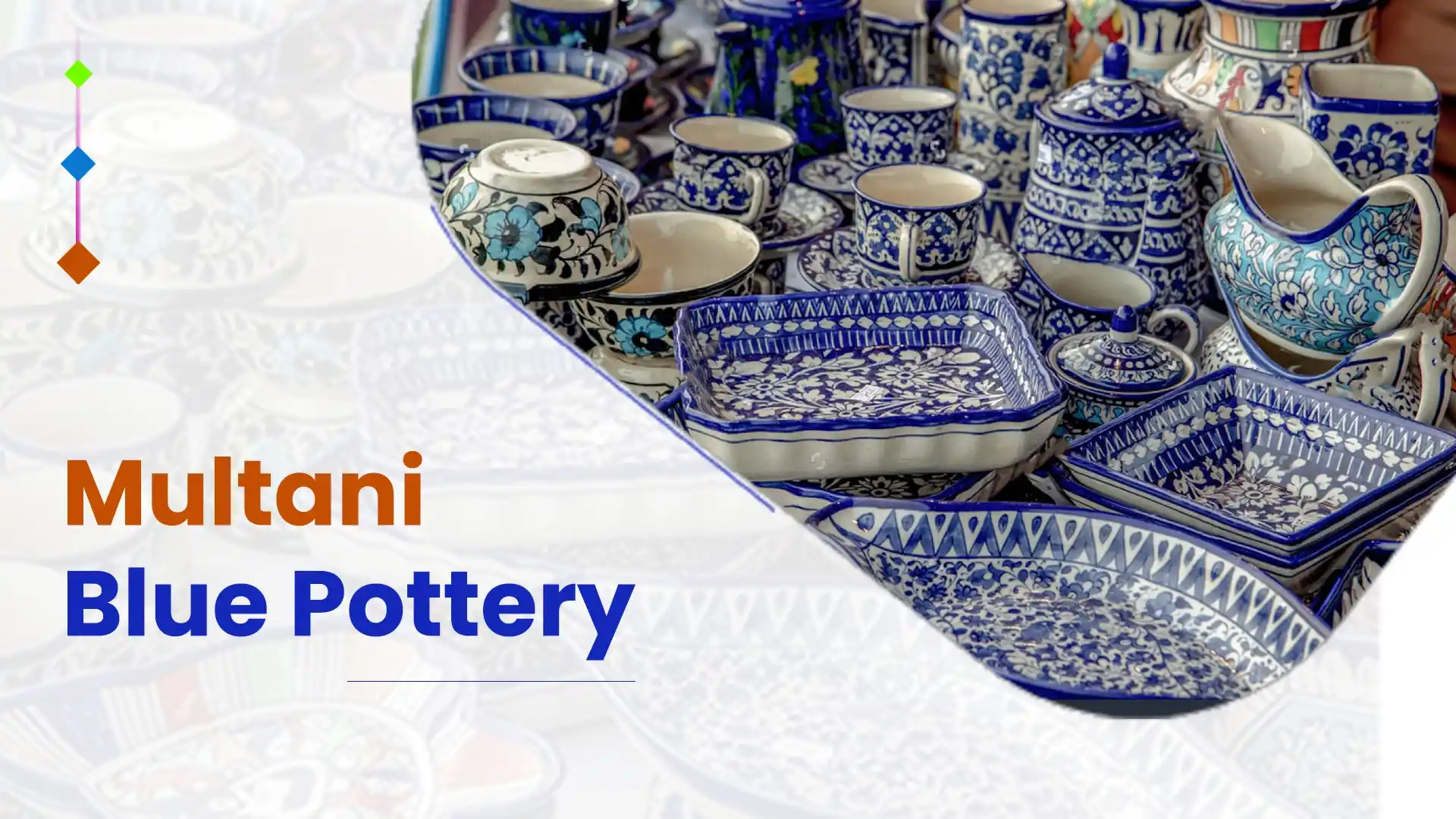
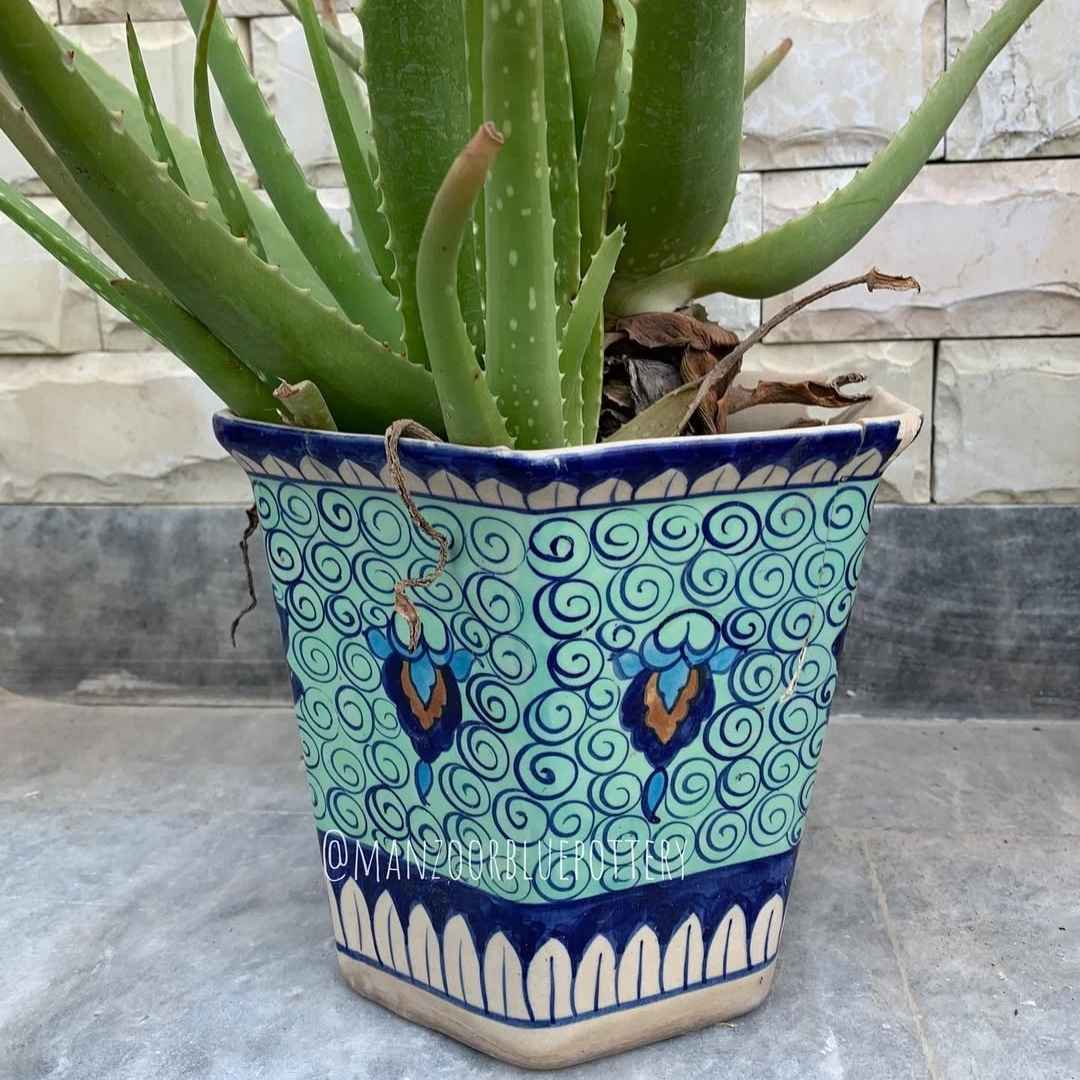
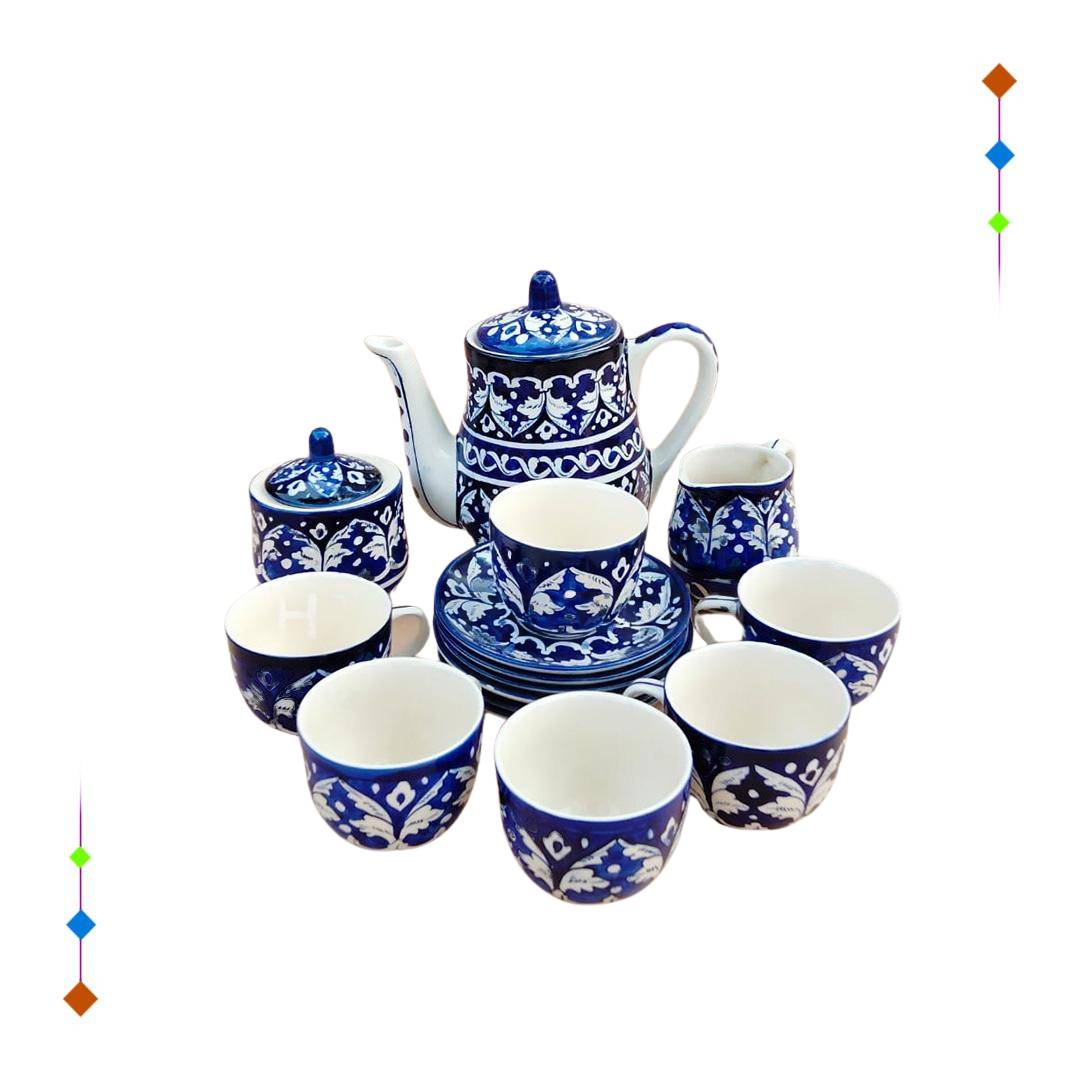
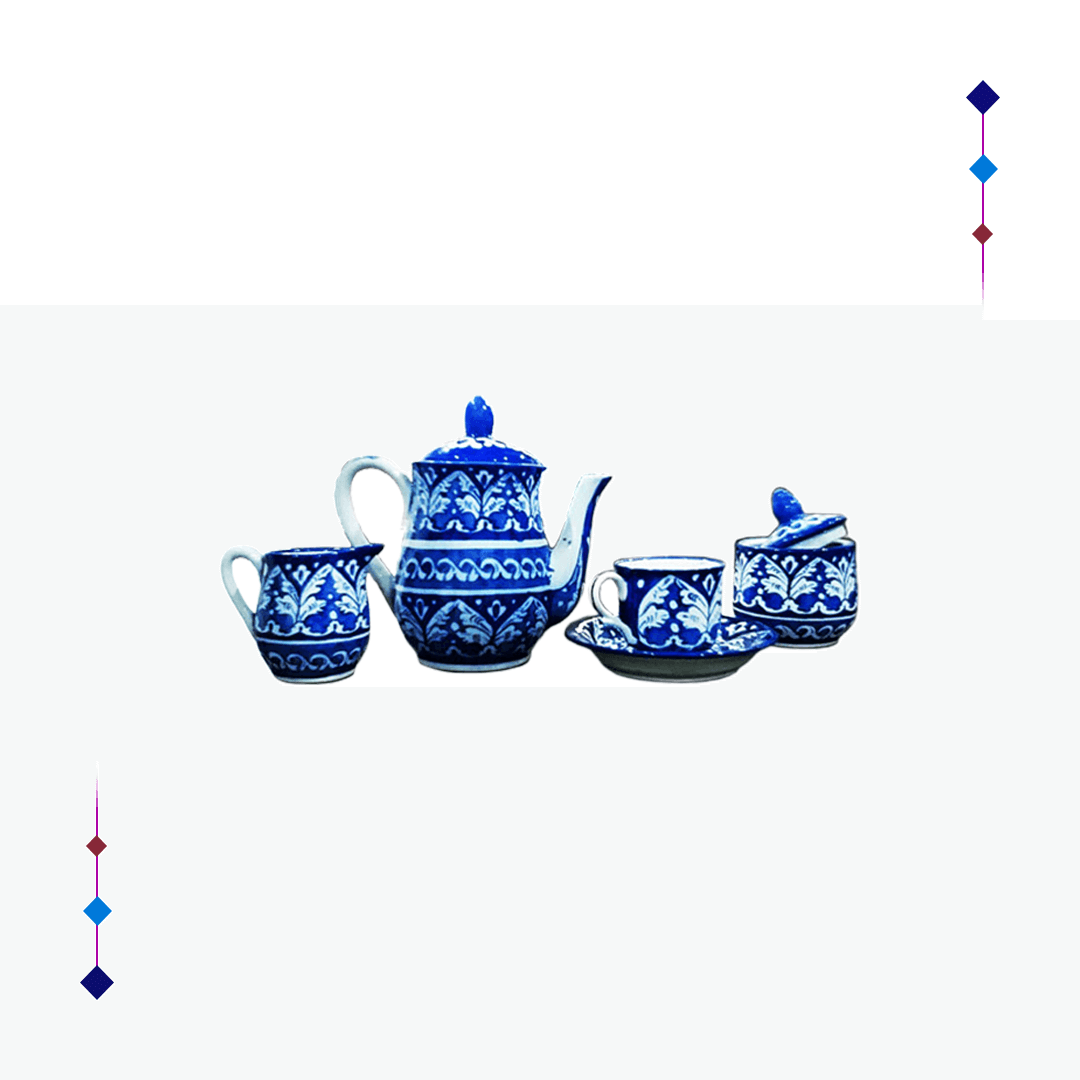
Multan, on the other hand, has always been linked with blue pottery. Persian craftsmen introduced it in the early Islamic times, and it became a part of the urban personality. Known as the City of Saints, Multan is also the place where one may find blue tile shrines and mosques. Its designs are often done in rich blue colours, Islamic designs, and script using Arabic.
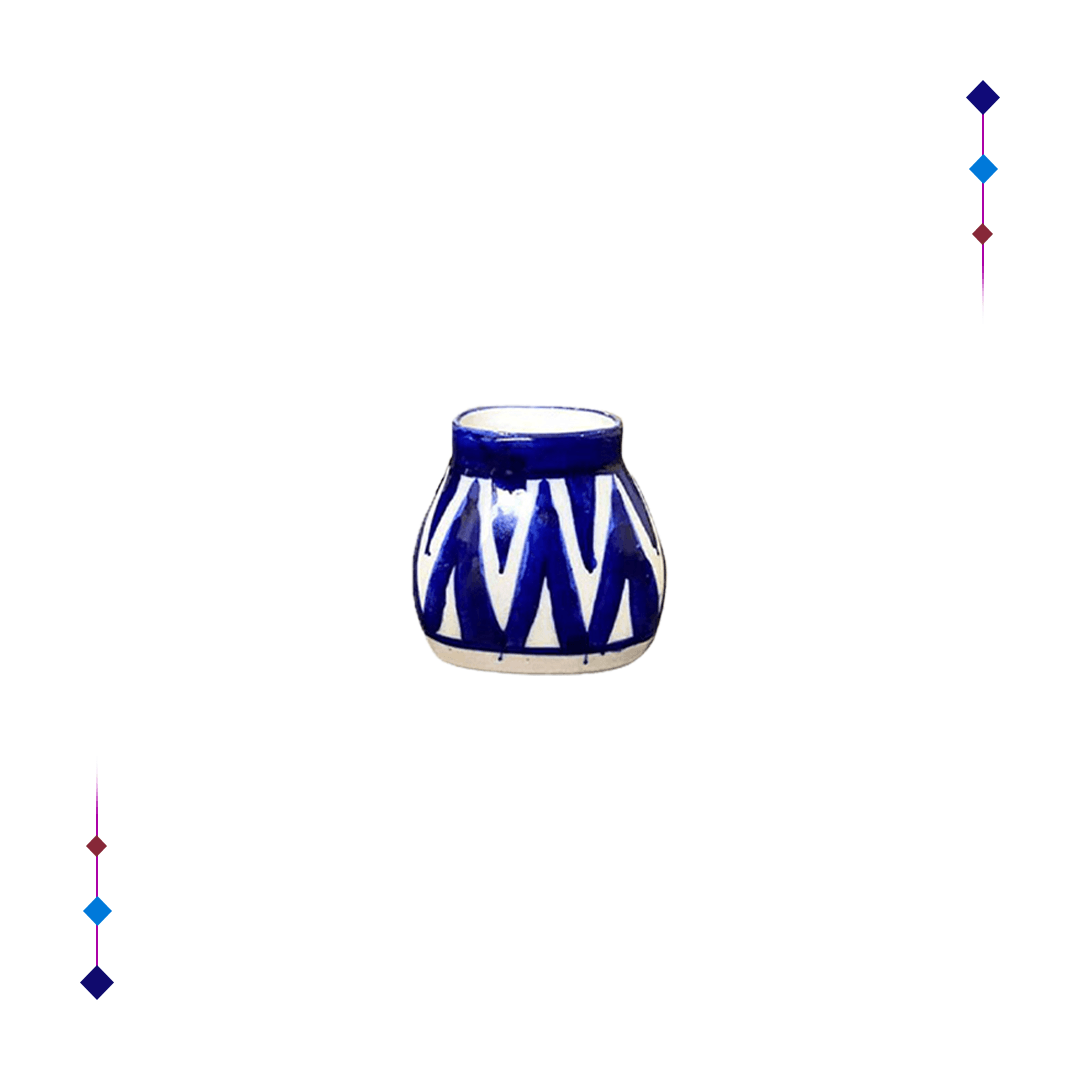
Shop Stunning Multan Blue Pottery




What are they made of?
Jaipur Blue Pottery
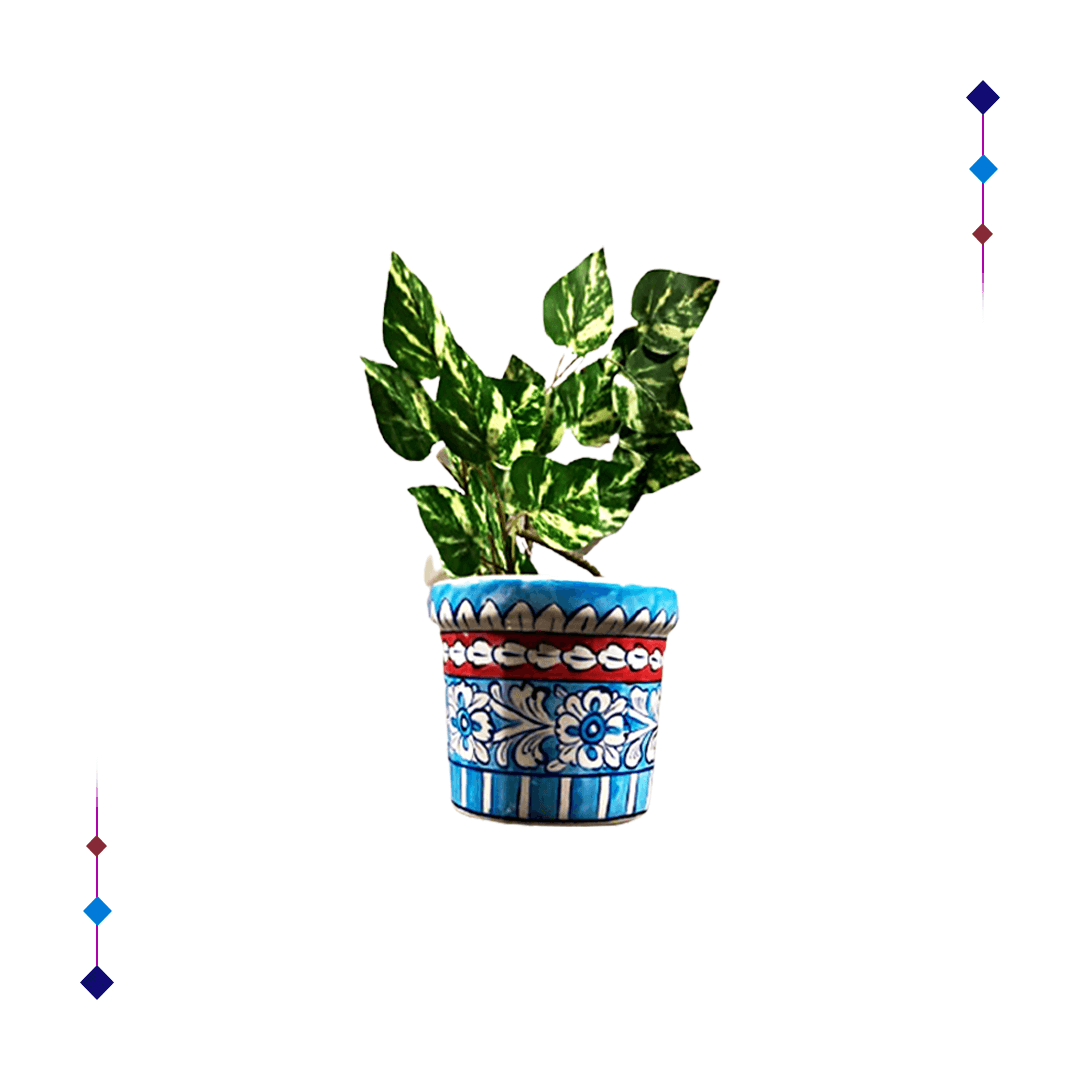
Jaipur blue pottery is not made of the standard clay. Instead, it is a combination of glass, quartz, and a local clay, which is known as Multani mitti. The products come out smooth but extremely delicate as they are baked at a lower temperature and then painted with bright colors.
Multan Blue Pottery
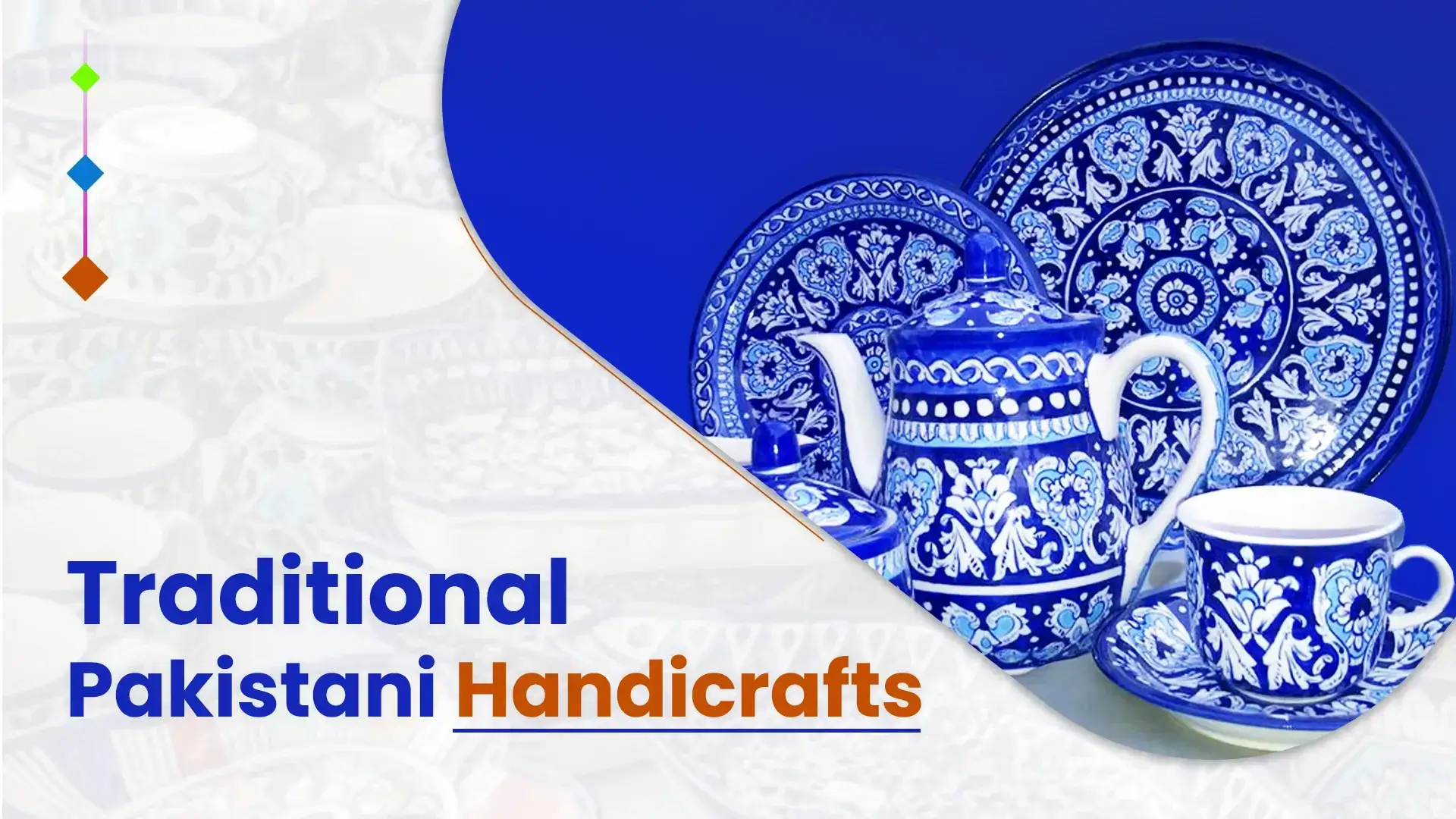
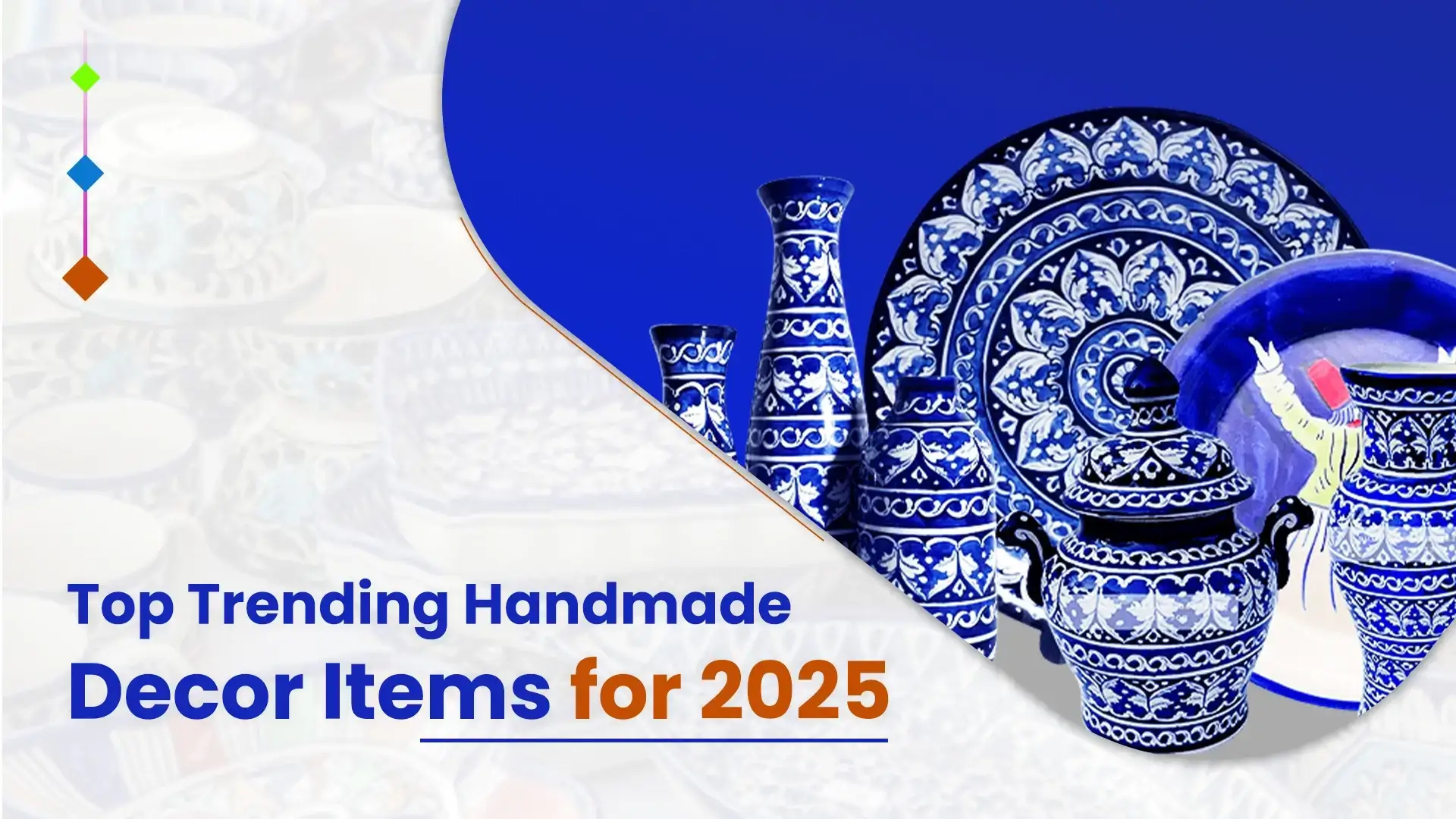
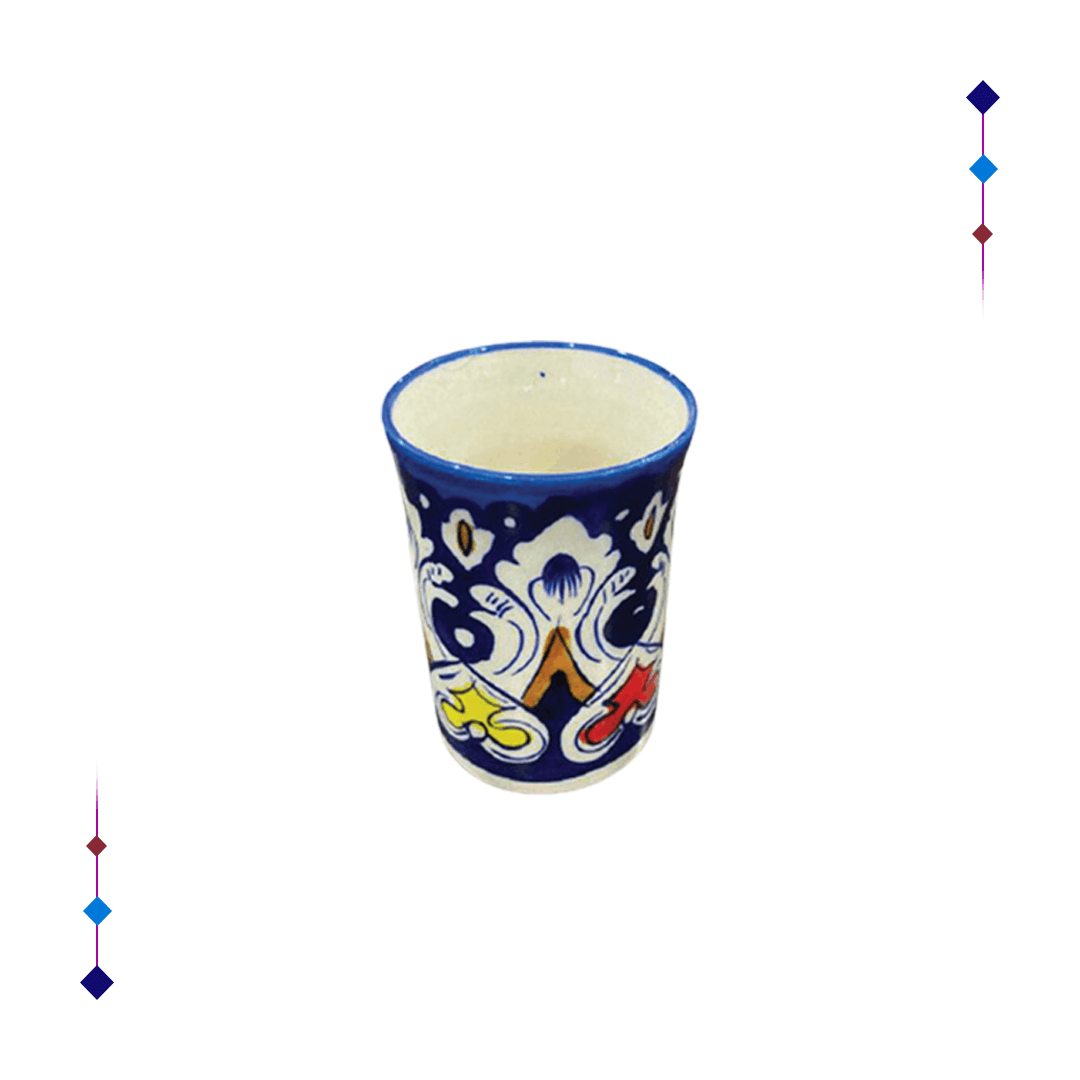
Multan pottery is closer to traditional ceramics. It is made in red clay, and the firing temperature is much greater. Consequently, they are glossy in nature. The colours are usually dark cobalt blue, white, and turquoise.
Design and Aesthetic Differences
| Feature | Jaipur Blue Pottery | Multan Blue Pottery |
|---|---|---|
| Primary colors | Blue, turquoise, yellow, green | Deep cobalt blue, turquoise, white |
| Motifs | Floral, birds, animals | Geometric, calligraphy, floral |
| Glazing | Non-porous, smooth glaze | Glossy, traditional ceramic glaze |
| Crafting Process | Low-temperature baking | High-temperature kiln firing |
Cultural Significance And Usage
Jaipur Blue Pottery
- Jaipur blue pottery is used for different purposes, including home décor, jewelry, tiles, etc.
- It’s fun, vibrant, and full of flowers and birds’ designs.
- It is covered with a GI tag, which maintains the authenticity of the artwork.
- It also attracts tourists visiting Rajasthan, promoting the handicraft industry globally.
Multan Blue Pottery
- Traditional, mystical, and adorned with script and geometric patterns.
- Multan pottery seems suited for the walls of mosques and historic structures.
- Traditional items include bowls, vases, and tiles, which are commonly used for décor and daily use.
- By means of teaching and online sales, artisans are actively working to sustain the craft, which continues to serve as an adornment in numerous mosques and shrines.
Market Trends & Global Demand
Thanks to the e-commerce platforms, Jaipur and Multan blue pottery have successfully captured the international market.
Supporters of both styles exist globally. The Middle East appreciates Multan’s intricate styles, whereas the West loves Jaipur’s colourful creations. An increasing number of individuals are understanding the difference between the two due to international commerce and online shops.
Moreover, the global search for blue pottery Jaipur vs. Multan, has increased by 40% in 2025, clearly showing the interest in the art.
Conclusion
Although sharing the same Persian influence, the blue pottery made in Jaipur and Multan evolved into two entirely distinct pieces of art.
- The pottery of Jaipur is colourful, modern, and decorative.
- The pottery of Multan is historic, traditional, and spiritual.
Combined, they demonstrate how one art form can cross national borders and thrive in various places.